ASUS TUF Dash FX517ZM-HN114W RAM upgrade specifications
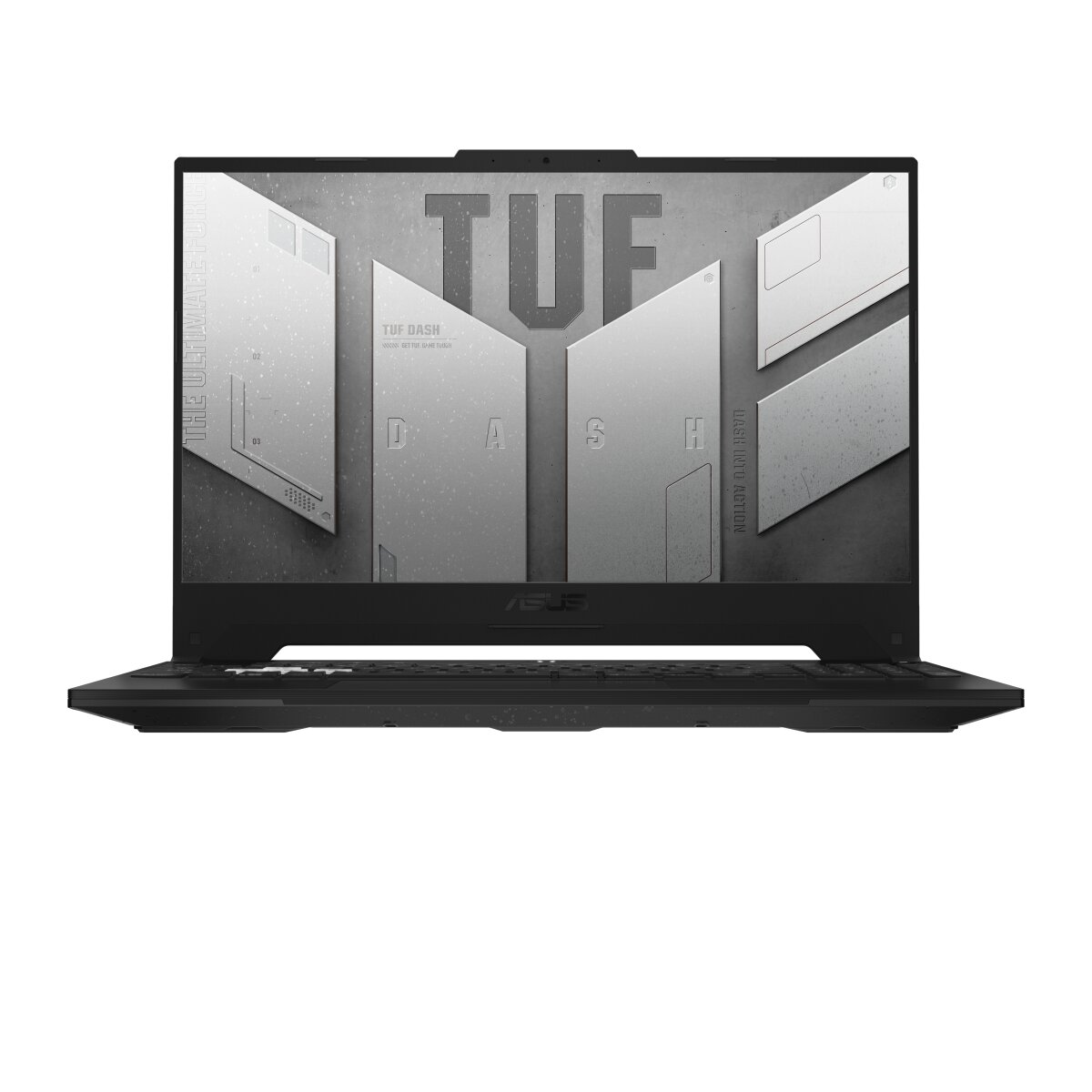

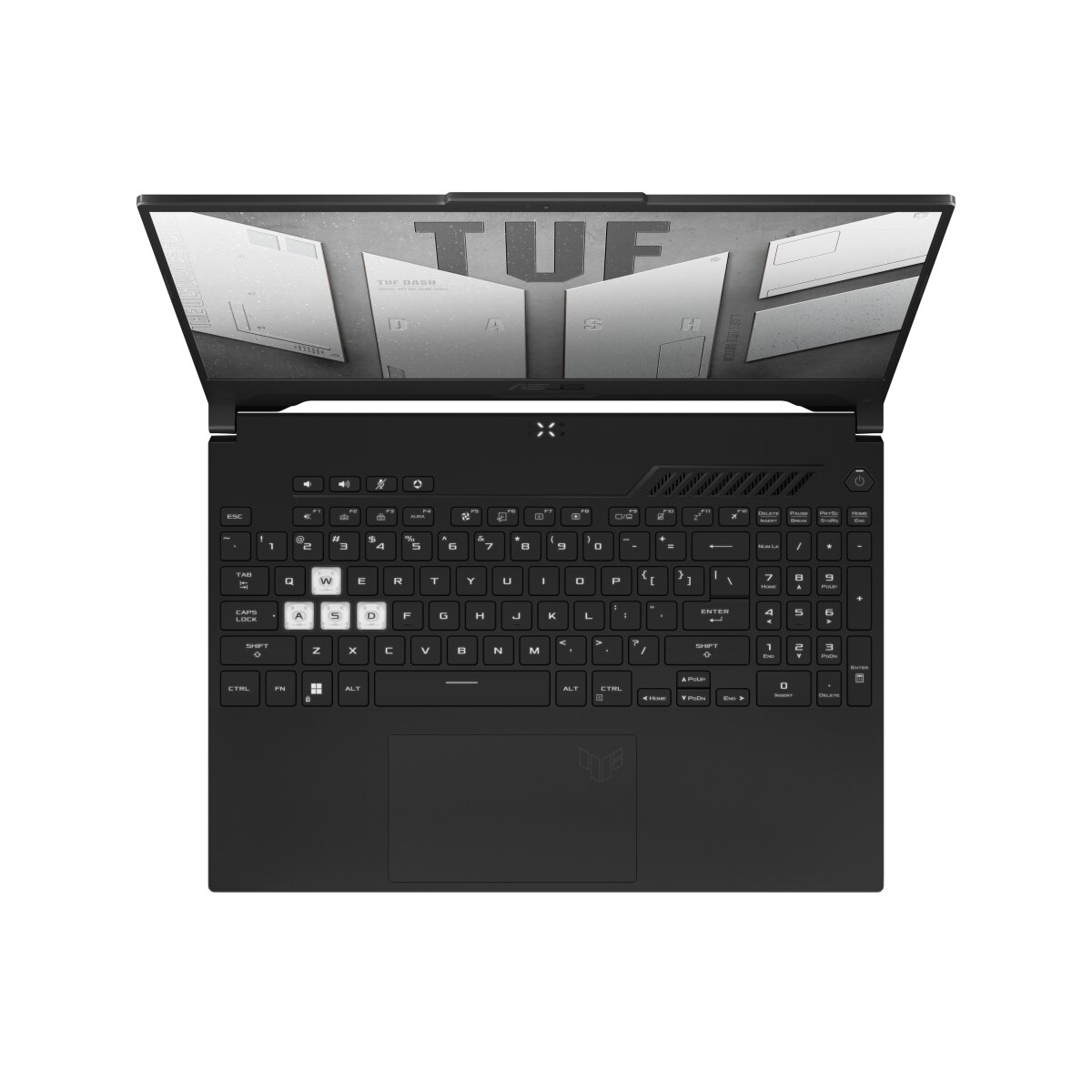
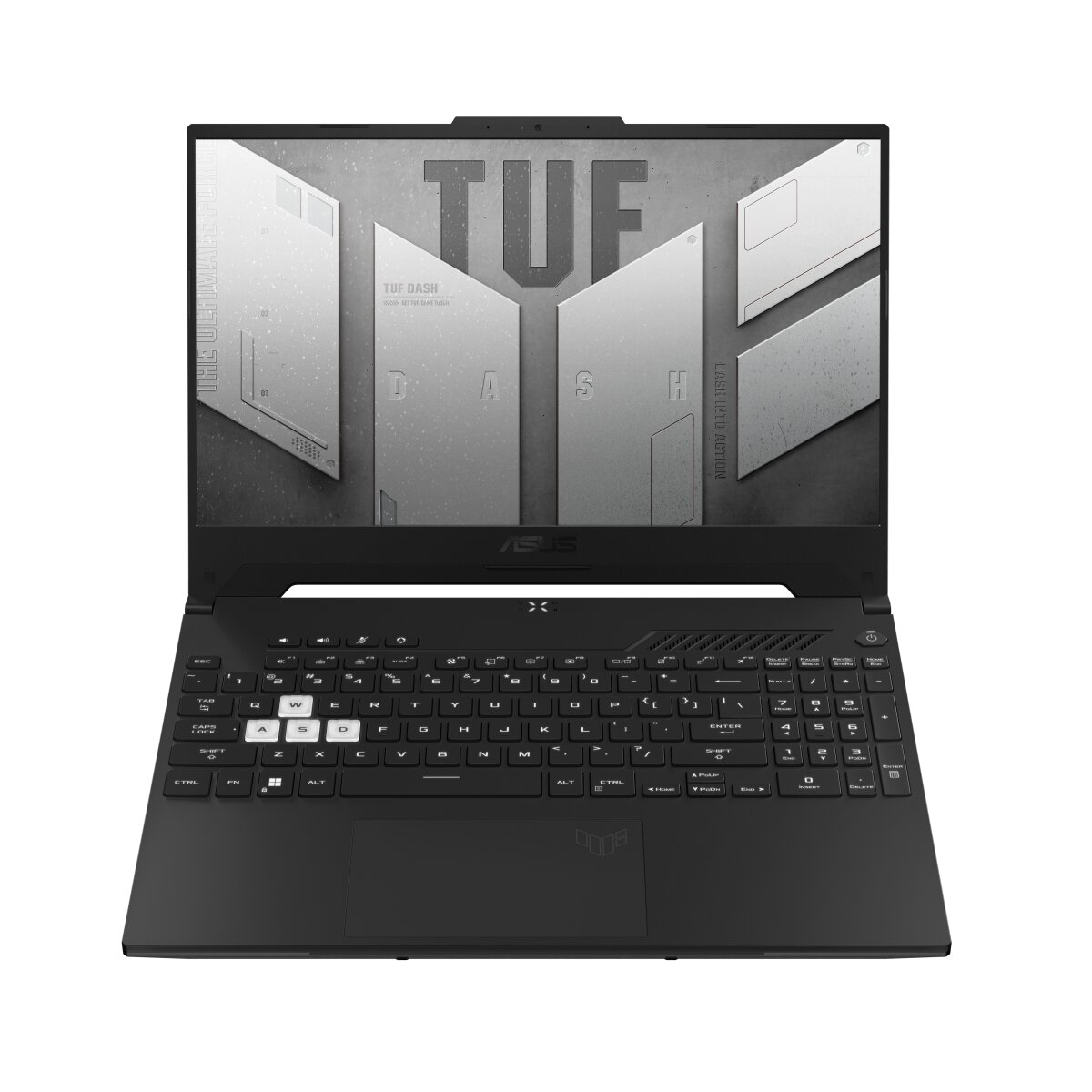
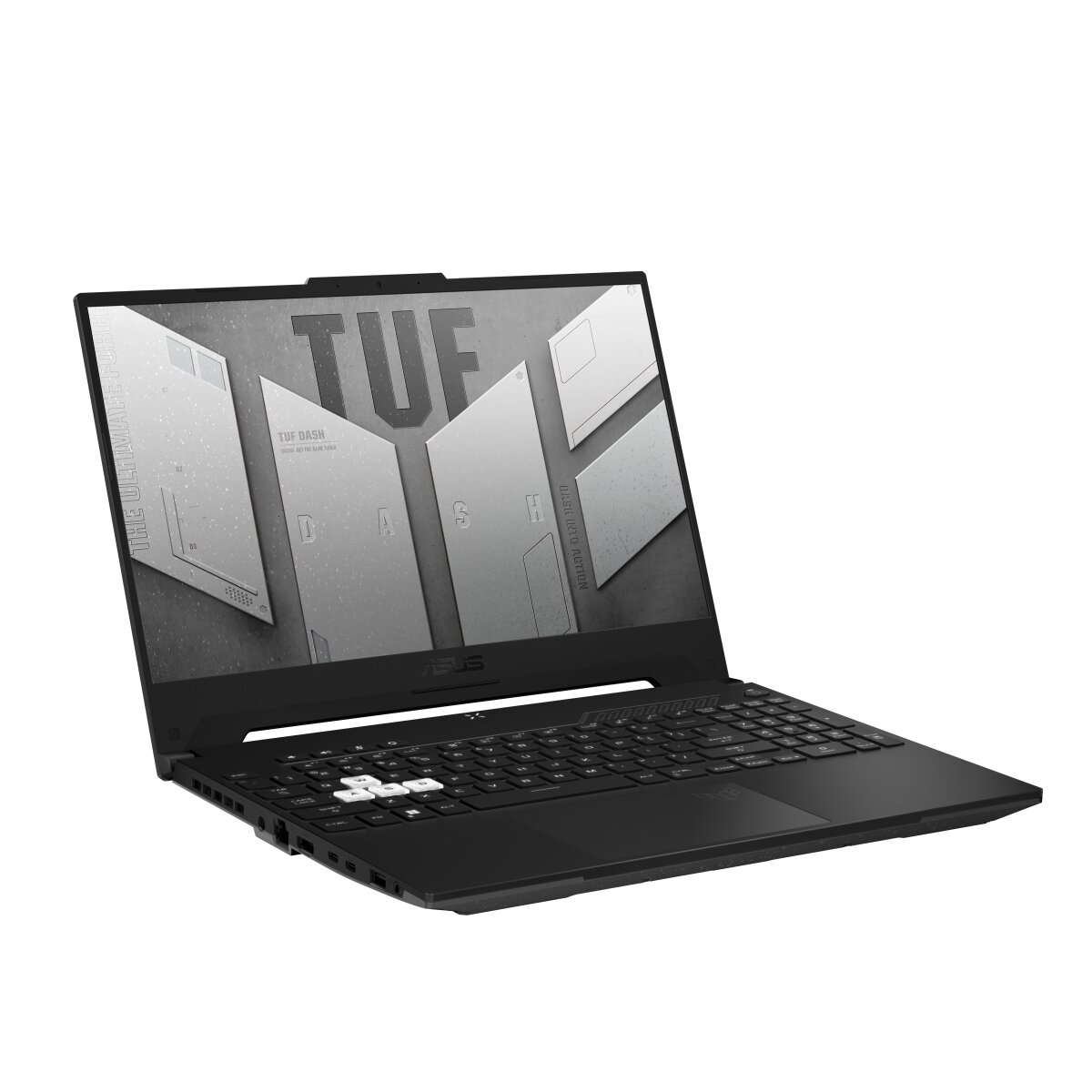
ASUS TUF Dash F15 FX517ZM-HN114W features DDR5-SDRAM memory upgrade specifications with 2x SO-DIMM slots supporting maximum RAM capacity of 32 GB. Compatible memory modules operate at 4800 MHz frequency. Upgrade slots accommodate SO-DIMM form factor modules. Specifications enable users to expand system memory from factory configuration to the stated maximum capacity using compatible DDR5 modules.
Memory Upgrade Specifications
| Specification | Value |
|---|---|
| Memory slots | 2x SO-DIMM |
| Form factor | SO-DIMM |
| Memory type | DDR5-SDRAM |
| Frequency | 4800 MHz |
| Maximum RAM | 32 GB |
| Voltage | 1.1V |
| Number of pins | 262-pin |
| Interface | PC5 |
| PC Speed Rating | PC5-4800 (PC5-38400) |
| Bandwidth | 38.4 GB/s |
| Laptop Release date | 01 April 2022 |
Additional Notes
- The ASUS TUF Dash FX517ZM-HN114W uses laptop-standard SO-DIMM slots, limiting maximum capacity to 32 GB total across 2 slots (16 GB per module maximum), which constrains multitasking workloads compared to desktop architectures supporting higher densities.
- DDR5-4800 MHz memory operates at significantly higher latency than previous DDR4 generations, creating a bandwidth advantage offset by increased timing delays; this configuration prioritizes throughput over responsiveness for memory-intensive applications.
- Dual-slot architecture without additional expansion means maximum capacity requires replacing both original modules rather than adding a single upgrade module, eliminating the cost savings of partial upgrades.
- DDR5 SO-DIMM modules remain supply-constrained and priced higher than DDR4 equivalents; sourcing matched pairs for symmetric dual-channel performance increases upgrade costs beyond raw component pricing.
- Native 4800 MHz specification requires BIOS validation of third-party modules; memory modules rated at higher speeds may downclock to 4800 MHz or lower, and warranty coverage for non-ASUS approved components depends on retailer and regional policies.
- The 2-slot ceiling creates CPU-to-GPU memory pressure during intensive gaming or content creation; parallel workloads sharing 32 GB maximum will experience more frequent memory contention than systems with 48 GB or 64 GB configurations.