ASUS TUF Gaming A15-TUF507UV-DRHQ137W RAM upgrade specifications

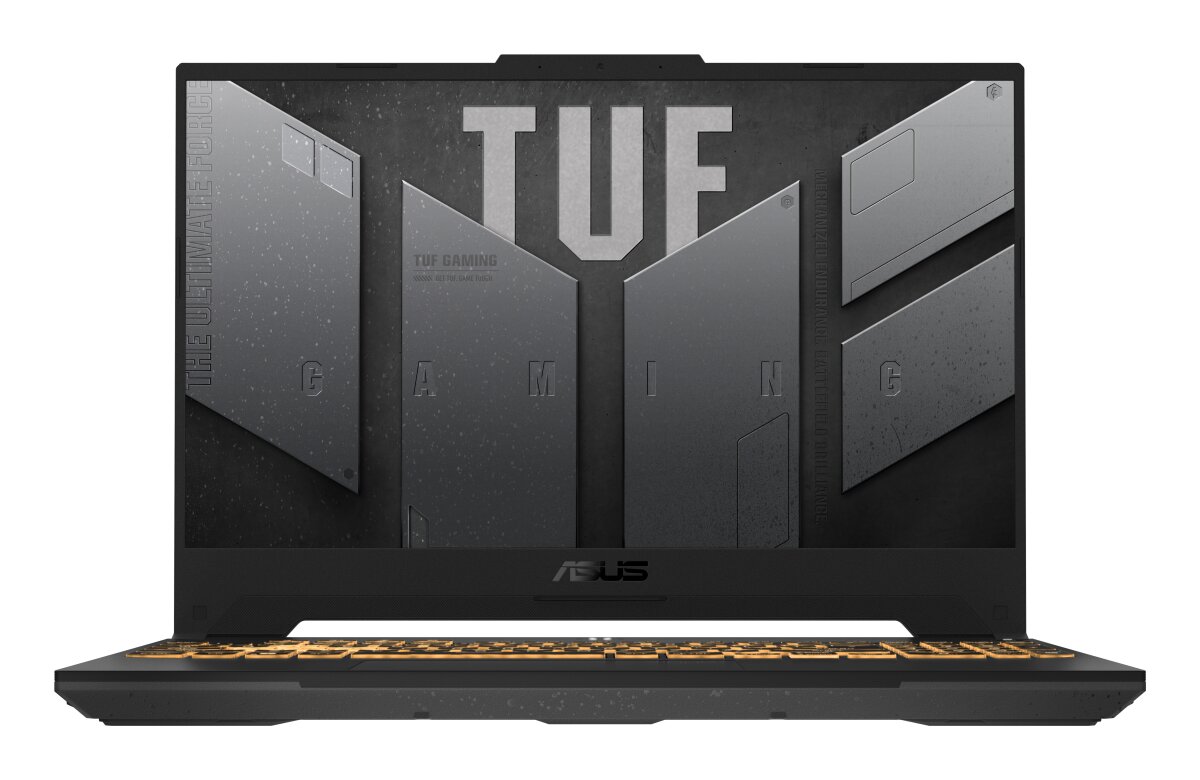


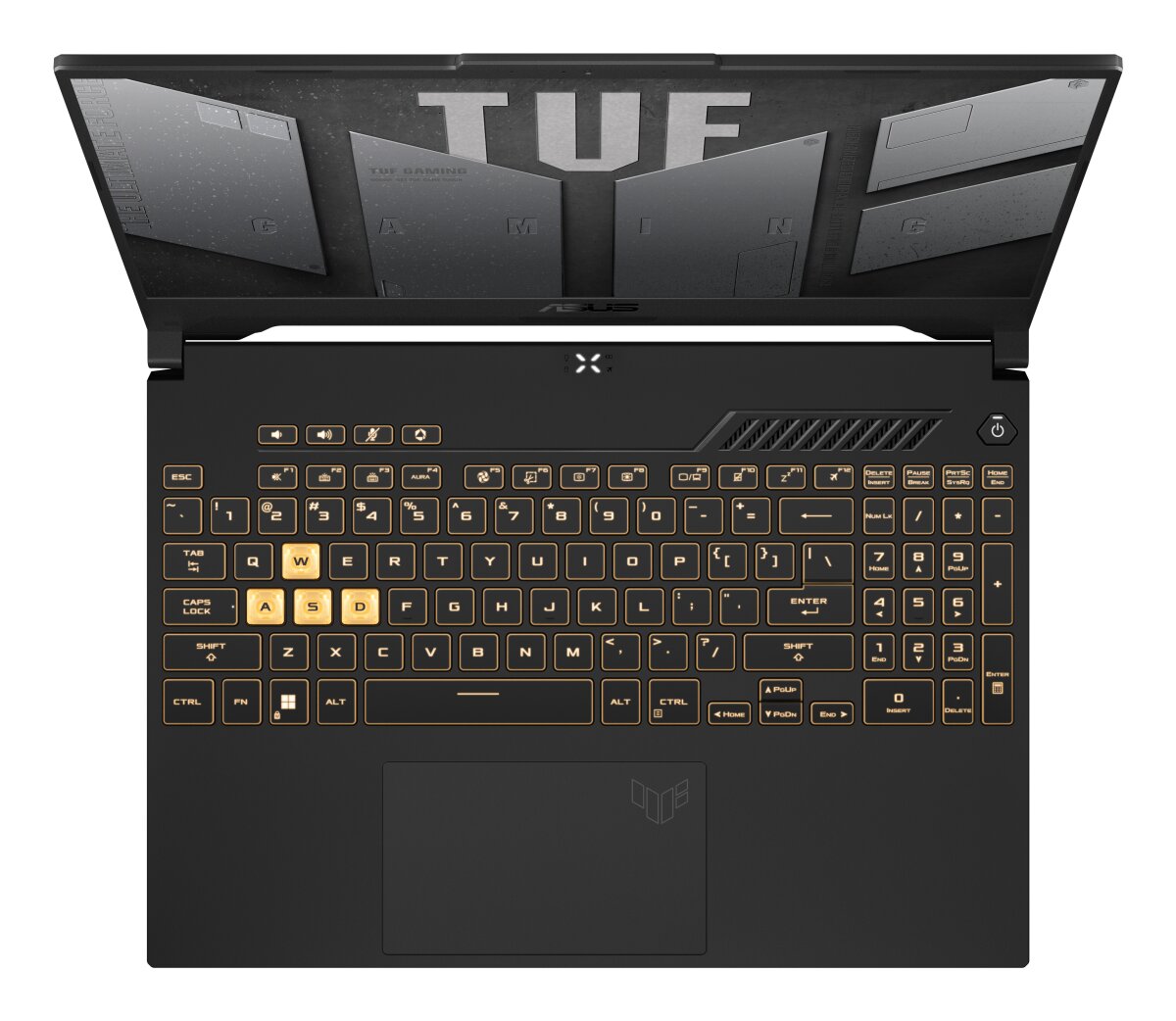
The ASUS TUF Gaming A15 A15-TUF507UV-DRHQ137W laptop features DDR5-SDRAM memory with upgrade capabilities via two SO-DIMM slots. The upgrade specifications support DDR5 memory operating at 5600 MHz frequency, with maximum RAM capacity of 64 GB. Compatible memory modules must conform to SO-DIMM form factor specifications for proper installation in the available slots.
Memory Upgrade Specifications
| Specification | Value |
|---|---|
| Memory slots | 2x SO-DIMM |
| Form factor | SO-DIMM |
| Memory type | DDR5-SDRAM |
| Frequency | 5600 MHz |
| Maximum RAM | 64 GB |
| Voltage | 1.1V |
| Number of pins | 262-pin |
| Interface | PC5 |
| PC Speed Rating | PC5-5600 (PC5-44800) |
| Bandwidth | 44.8 GB/s |
Additional Notes
- The dual-channel architecture requires population of both SO-DIMM slots with matching modules to ensure maximum memory bandwidth and prevent CPU performance bottlenecks during intensive tasks.
- Upgrading the ASUS TUF Gaming A15-TUF507UV-DRHQ137W to 64 GB necessitates the complete replacement of existing factory modules because the motherboard lacks additional vacant slots for expansion.
- High-speed DDR5 modules generate more heat than older standards, relying on the internal thermal management system and proximity to heat pipes for stable operation under heavy workloads.
- The 5600 MHz frequency rating indicates compatibility with high-performance kits, though actual operating speeds are contingent on the specific processor integrated into the system.
- Accessing the memory slots requires removal of the bottom chassis cover, which demands precision to avoid damaging the internal plastic clips or violating regional hardware tampering policies.
- Low-latency timings on aftermarket RAM may be limited by the BIOS configuration, potentially forcing the memory to run at standard JEDEC profiles rather than overclocked settings.
- The SO-DIMM form factor restricts the use of desktop-class DIMM modules, requiring specialized small-outline hardware for any capacity increases.