ASUS TUF Gaming A15-TUF507UI-DRHQ145W RAM upgrade specifications




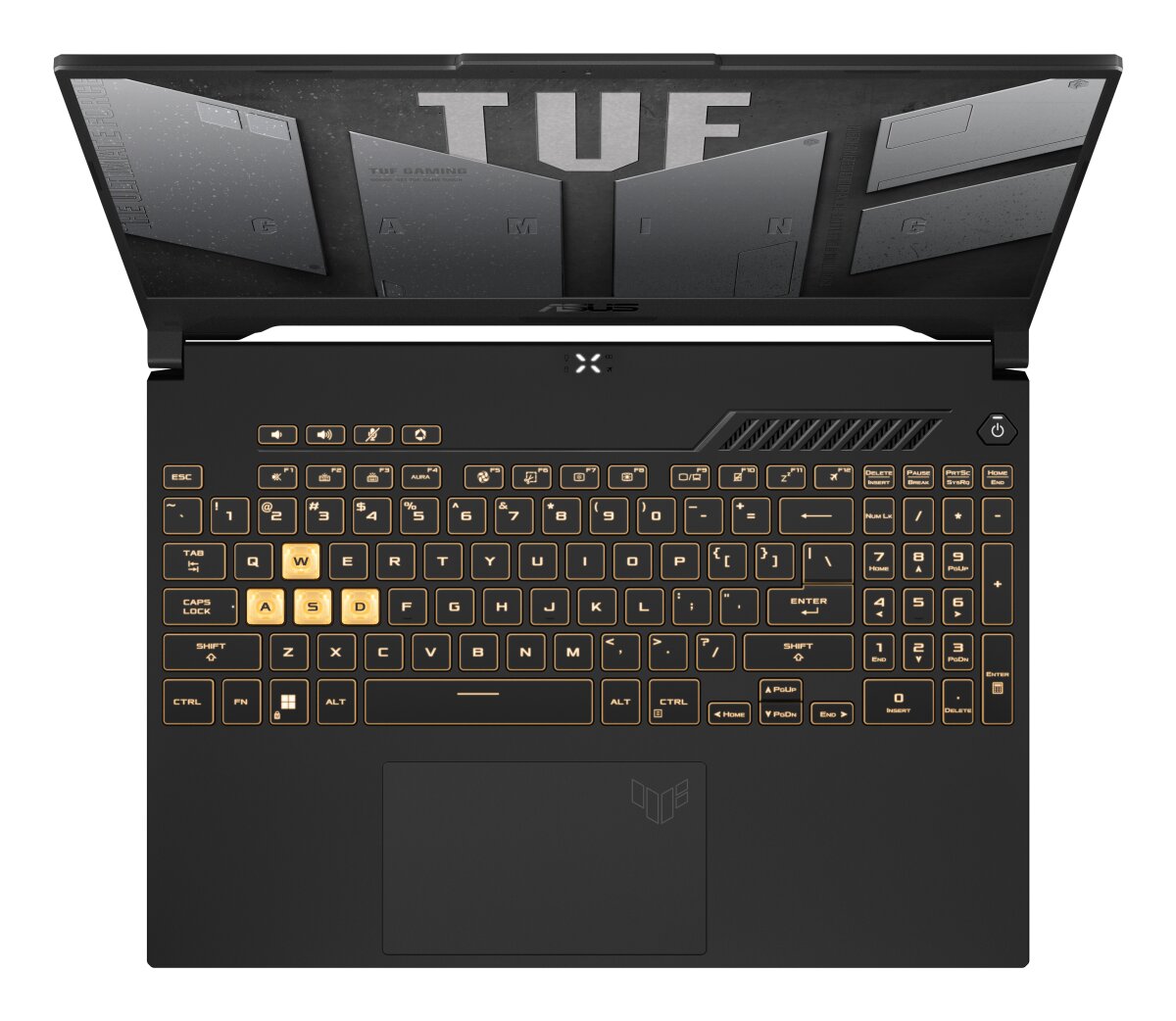
ASUS TUF Gaming A15 model A15-TUF507UI-DRHQ145W features DDR5-SDRAM memory upgrade capabilities with two SO-DIMM slots supporting maximum RAM capacity of 32 GB. Compatible memory operates at 5600 MHz frequency. The laptop's memory specifications accommodate SO-DIMM form factor modules, enabling users to expand or replace existing memory modules for enhanced system performance and multitasking capabilities.
Memory Upgrade Specifications
| Specification | Value |
|---|---|
| Memory slots | 2x SO-DIMM |
| Form factor | SO-DIMM |
| Memory type | DDR5-SDRAM |
| Frequency | 5600 MHz |
| Maximum RAM | 32 GB |
| Voltage | 1.1V |
| Number of pins | 262-pin |
| Interface | PC5 |
| PC Speed Rating | PC5-5600 (PC5-44800) |
| Bandwidth | 44.8 GB/s |
Additional Notes
- The ASUS TUF Gaming A15-TUF507UI-DRHQ145W architecture imposes a 32 GB ceiling due to chipset or BIOS limitations, preventing recognition of higher-capacity modules even if physically installed.
- DDR5-5600 represents the validated speed, though the memory controller may accept JEDEC-standard DDR5-4800 modules that will operate at reduced bandwidth.
- Dual-channel operation requires matched modules in both SO-DIMM slots to achieve the full 89.6 GB/s theoretical bandwidth at 5600 MT/s.
- Installing a single module forces single-channel mode, halving memory bandwidth and potentially creating performance bottlenecks in GPU-intensive applications.
- The SO-DIMM 262-pin form factor excludes standard desktop DIMM modules, which are physically incompatible with the notebook's memory sockets.
- DDR5 modules operate at 1.1V nominal voltage, making DDR4 SO-DIMMs electrically and mechanically incompatible despite identical slot counts.
- Mixing modules with different speeds will force all DIMMs to operate at the lowest common JEDEC standard, negating the performance advantage of faster modules.
- Asymmetric configurations, such as pairing 16 GB with 8 GB modules, may disable flex mode and revert portions of memory to single-channel operation.
- Access to memory slots typically requires bottom panel removal, which may void warranty seals depending on regional service policies.
- Non-XMP DDR5 modules default to JEDEC speeds below 5600 MHz unless manually configured through BIOS, if the firmware permits user adjustment.
- The 5600 MHz specification assumes specific CAS latency timings, typically CL46, which affects real-world access times beyond raw frequency.
- Heat spreaders on aftermarket SO-DIMMs must not exceed chassis clearance tolerances, as gaming laptops often have minimal z-height between memory and thermal assemblies.