ASUS TUF Gaming A15-TUF506NC-HN122W RAM upgrade specifications

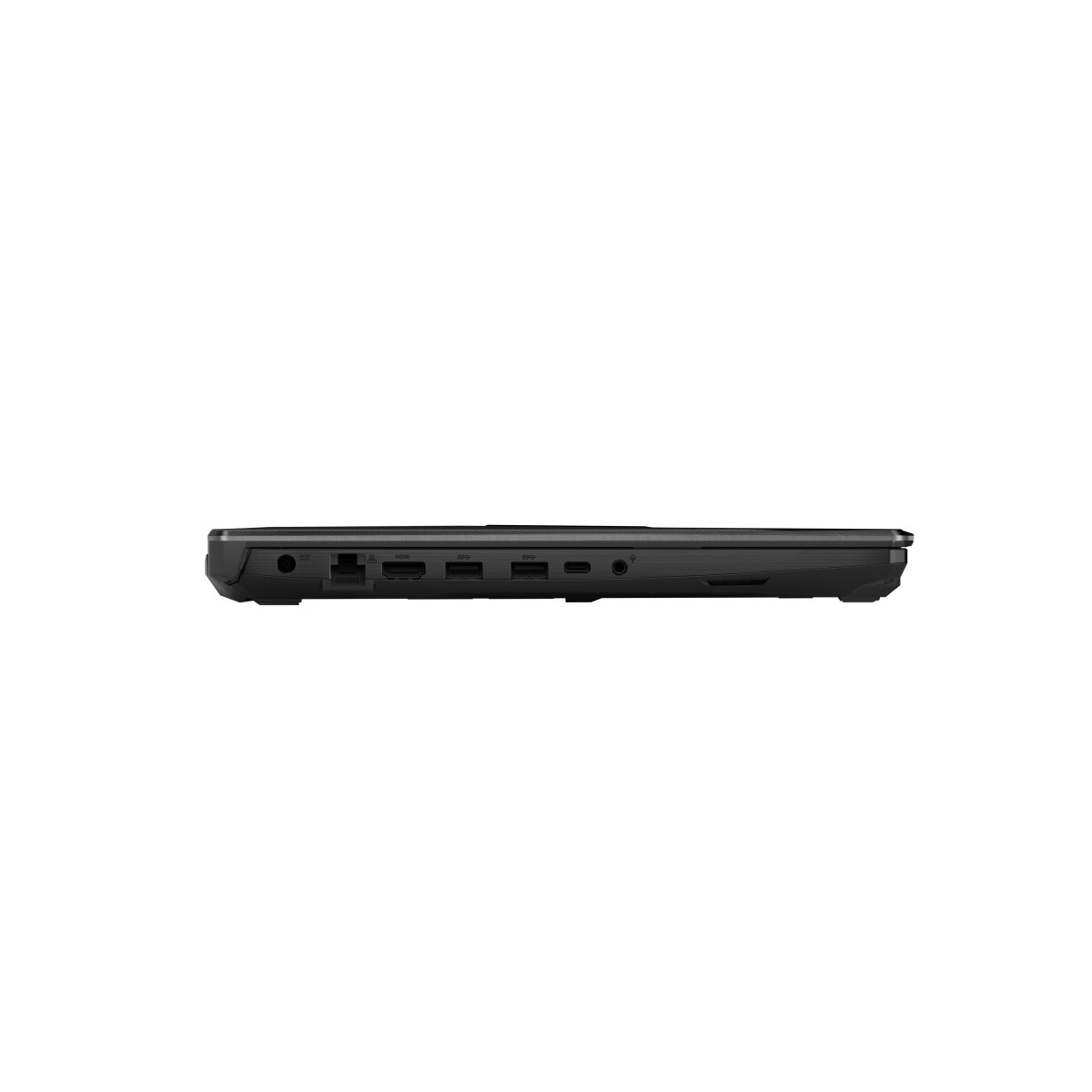
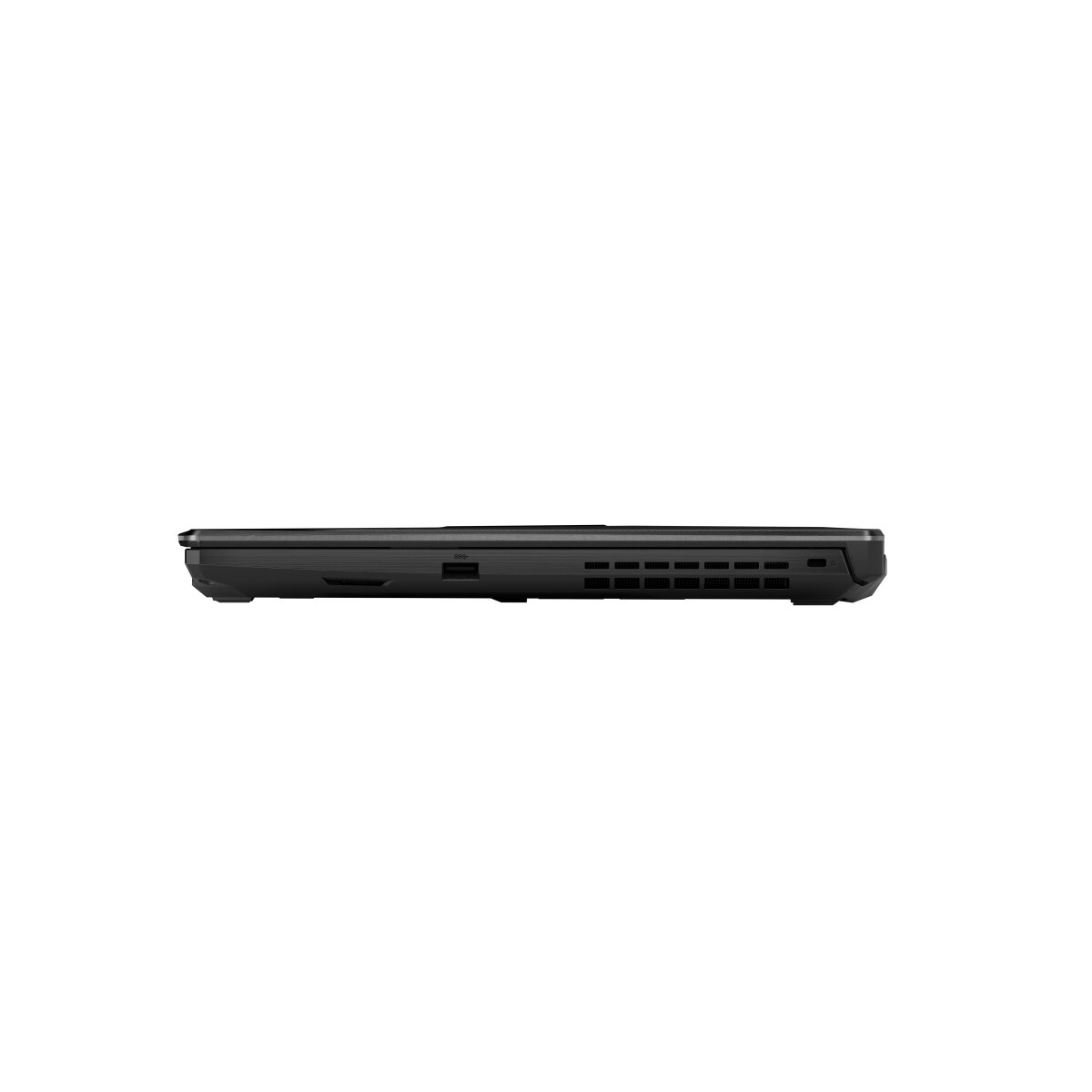
ASUS TUF Gaming A15 model A15-TUF506NC-HN122W supports DDR5-SDRAM memory upgrades. The laptop features two SO-DIMM slots for RAM expansion, accommodating a maximum capacity of 64 GB total memory. Compatible upgrades utilize DDR5 modules operating at 5600 MHz frequency. Specifications indicate the memory configuration supports dual-channel operation through SO-DIMM form factor modules, enabling substantial performance enhancement through RAM upgrade installations.
Memory Upgrade Specifications
| Specification | Value |
|---|---|
| Memory slots | 2x SO-DIMM |
| Form factor | SO-DIMM |
| Memory type | DDR5-SDRAM |
| Frequency | 5600 MHz |
| Maximum RAM | 64 GB |
| Voltage | 1.1V |
| Number of pins | 262-pin |
| Interface | PC5 |
| PC Speed Rating | PC5-5600 (PC5-44800) |
| Bandwidth | 44.8 GB/s |
Additional Notes
- The ASUS TUF Gaming A15-TUF506NC-HN122W contains 2 SO-DIMM slots that accept DDR5 modules, establishing a 64 GB ceiling for total system memory. This dual-slot architecture means both slots must be populated to reach maximum capacity, with no provision for future expansion beyond this point.
- DDR5-5600 modules operate at a higher frequency band than standard DDR5-4800, which narrows compatible module selection to premium-tier offerings. Mixing DDR5-5600 with slower DDR4 or older DDR5-4800 variants will result in the system downclocking all memory to the slowest installed module's specification, negating performance gains from faster memory.
- SO-DIMM form factor imposes strict physical constraints. Standard full-size UDIMM modules cannot be installed regardless of DDR generation, and proprietary memory configurations common in gaming laptops may restrict upgrades to vendor-approved part numbers to maintain warranty coverage.
- Upgrading from single-channel to dual-channel configuration by adding a second DDR5-5600 module will increase bandwidth from ~89.6 GB/s to ~179.2 GB/s, which directly impacts gaming frame rates and multithreaded workload performance. Single-channel bottlenecks GPU and CPU throughput in bandwidth-sensitive applications.
- DDR5 memory operates at higher voltages (1.25V standard) than DDR4 (1.2V), requiring motherboard VRM compatibility verification. Installing incompatible voltage-rated modules can cause system instability or hardware damage despite physical slot compatibility.
- The 64 GB maximum represents a hard ceiling on RAM capacity for this chassis and motherboard revision. No future memory upgrade path exists once both slots are occupied with maximum-density modules.