ASUS TUF Gaming A15-TUF506NF-HN172W RAM upgrade specifications

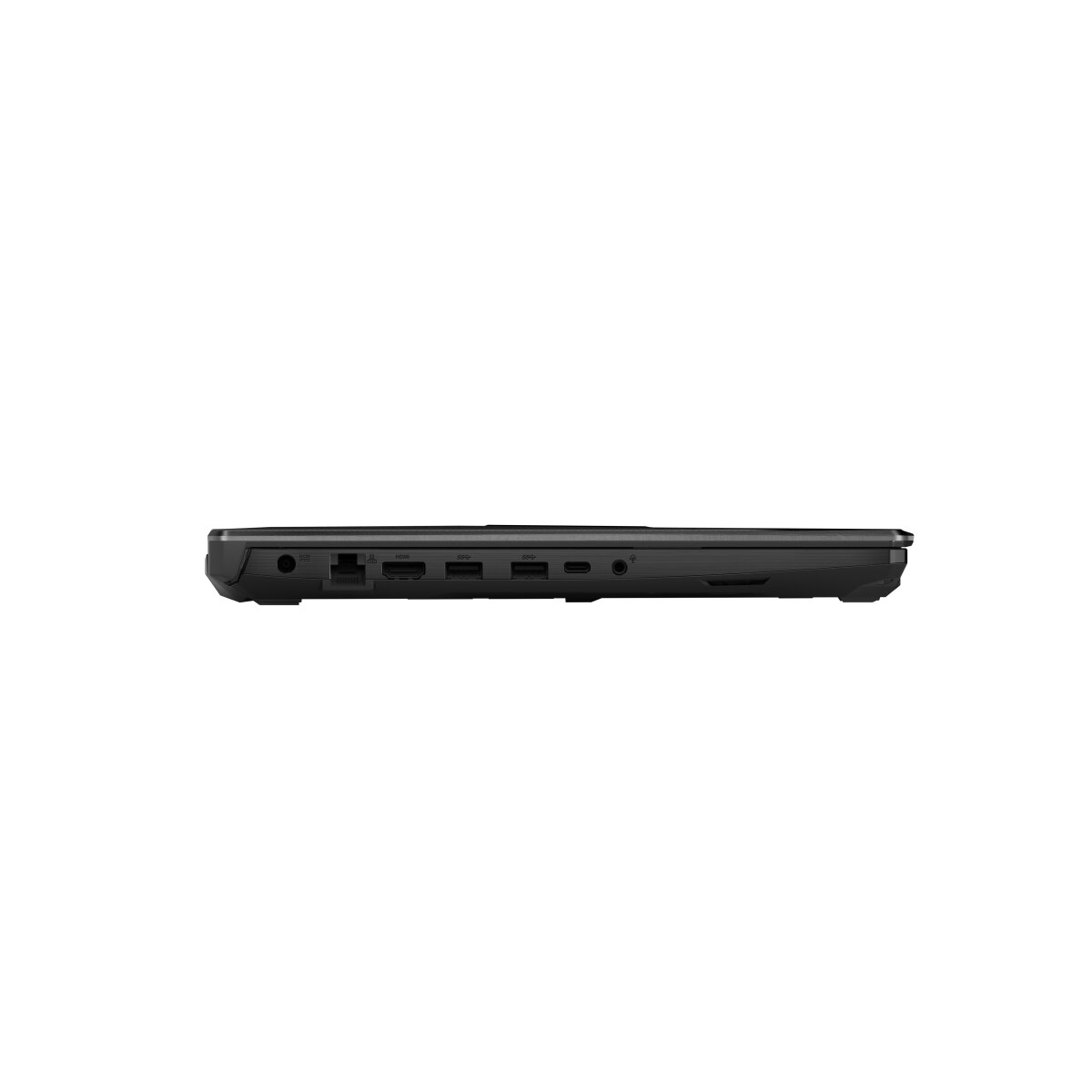
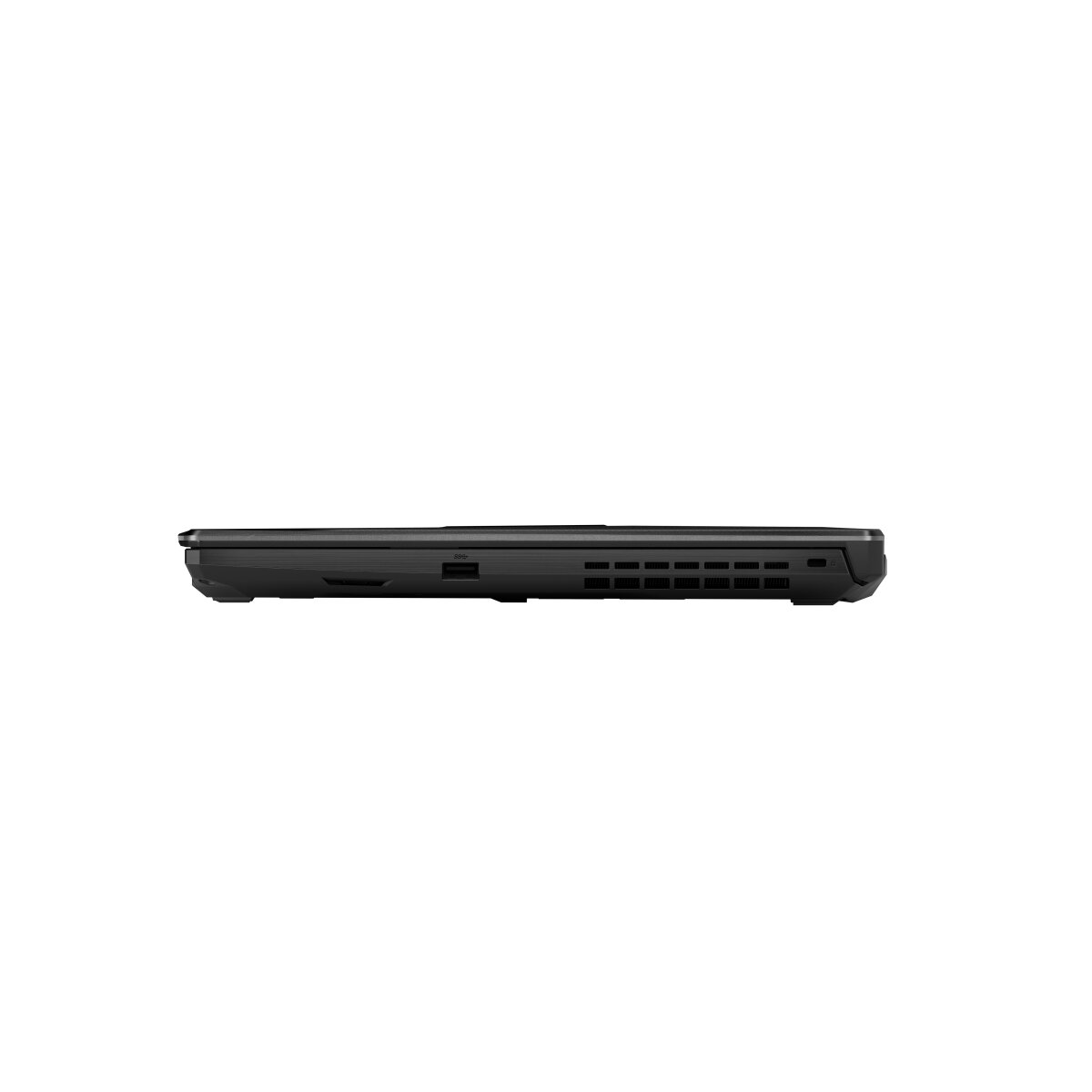
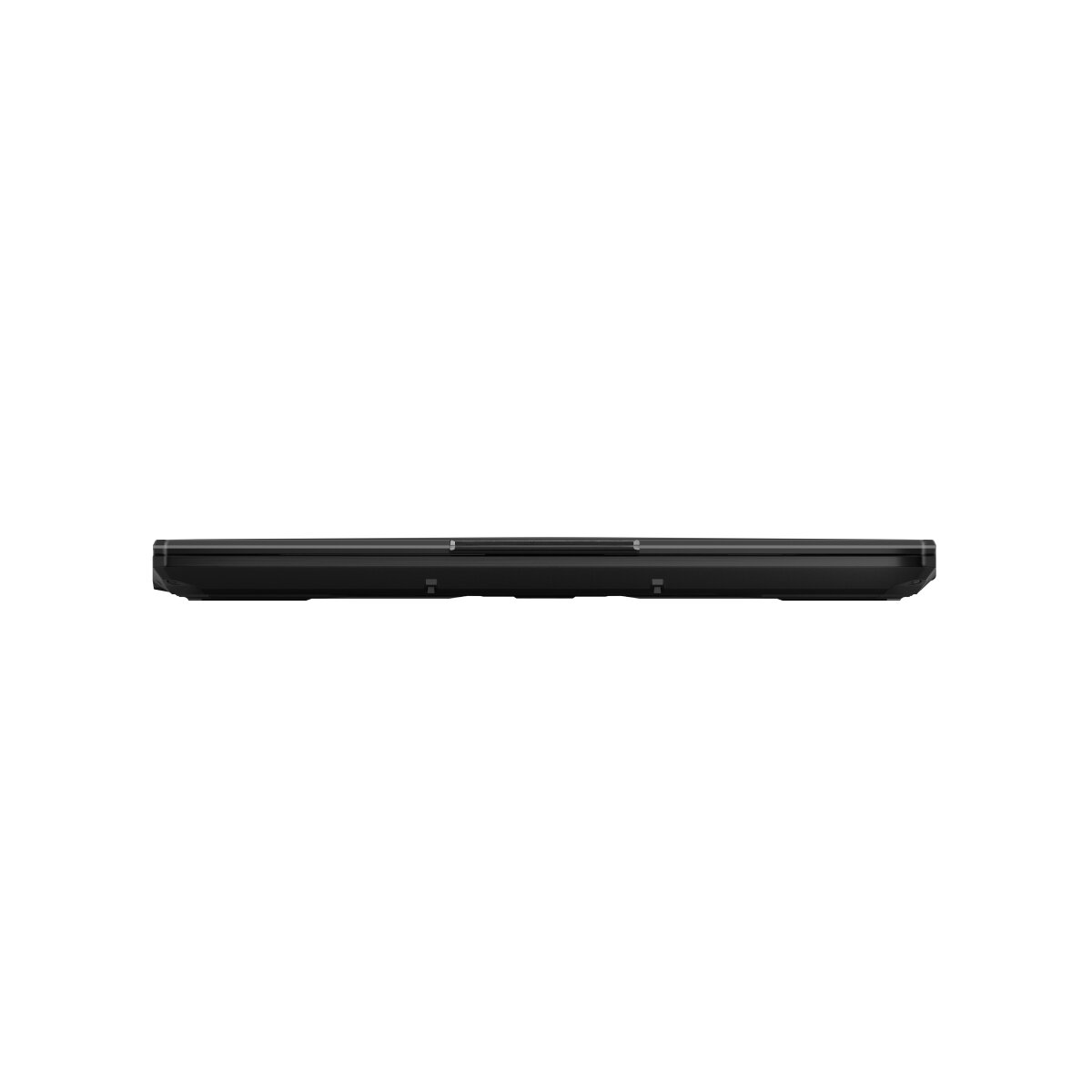
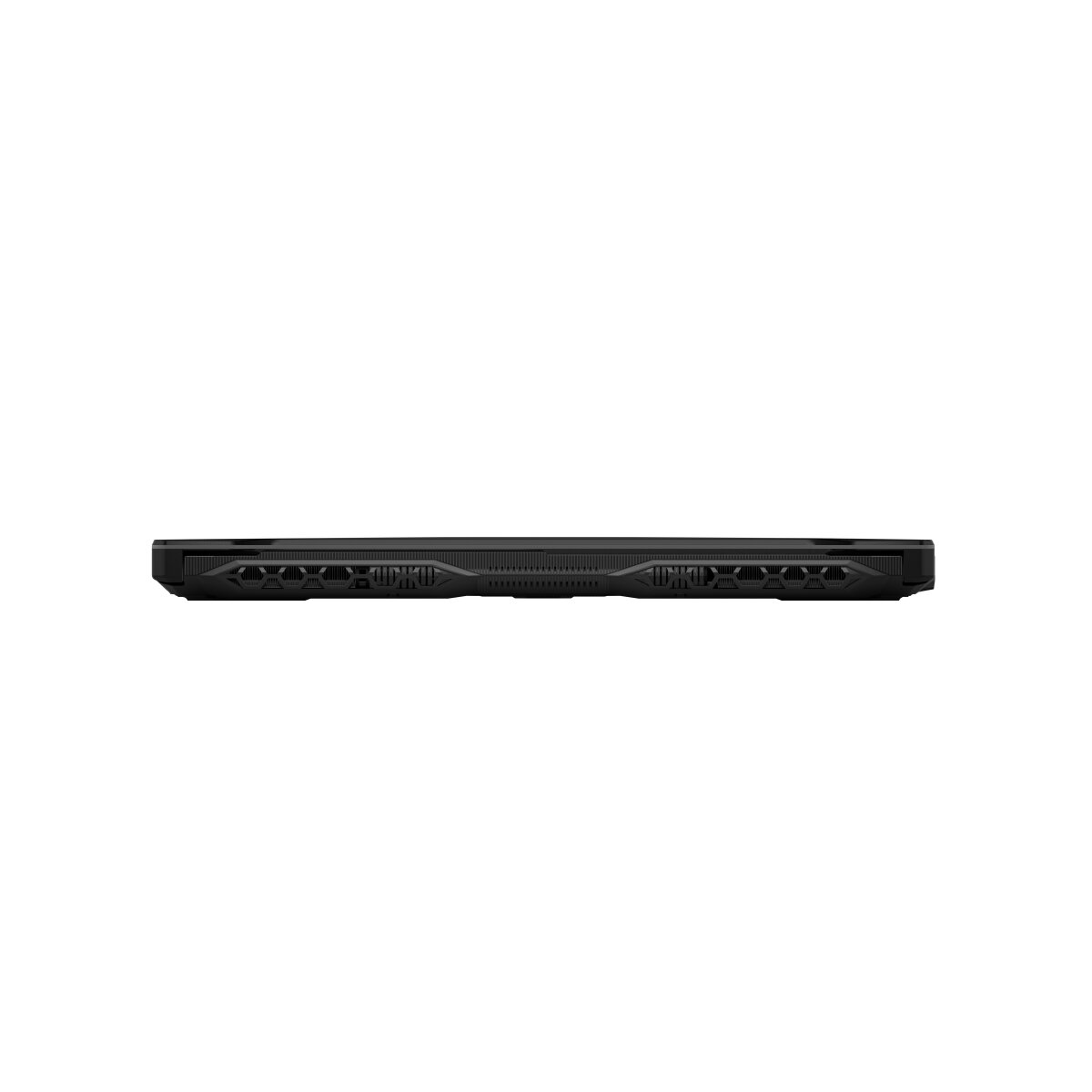
ASUS TUF Gaming A15 series model A15-TUF506NF-HN172W supports DDR5-SDRAM memory upgrades. The laptop features two SO-DIMM slots compatible with DDR5 modules operating at 5600 MHz frequency. Maximum supported memory capacity reaches 64 GB total, allowing users to expand RAM through compatible SO-DIMM form factor upgrades. Current memory specifications and available upgrade slots enable enhanced multitasking and performance capabilities for gaming and professional applications.
Memory Upgrade Specifications
| Specification | Value |
|---|---|
| Memory slots | 2x SO-DIMM |
| Form factor | SO-DIMM |
| Memory type | DDR5-SDRAM |
| Frequency | 5600 MHz |
| Maximum RAM | 64 GB |
| Voltage | 1.1V |
| Number of pins | 262-pin |
| Interface | PC5 |
| PC Speed Rating | PC5-5600 (PC5-44800) |
| Bandwidth | 44.8 GB/s |
Additional Notes
- The ASUS TUF Gaming A15-TUF506NF-HN172W uses SO-DIMM slots, which are physically smaller than full-size DIMM modules and restrict upgrades to laptop-specific memory products only.
- DDR5-5600 memory operates at higher latency cycles than DDR4 equivalents, creating potential bandwidth bottlenecks when paired with AMD Ryzen processors that benefit from tighter memory timings for gaming performance.
- The 2-slot configuration and 64 GB maximum capacity ceiling means users cannot exceed this threshold regardless of future memory density improvements, imposing a permanent upgrade limit for the system lifecycle.
- Achieving the 64 GB maximum requires replacing both SO-DIMM modules with 32 GB sticks, necessitating complete removal of factory memory and creating warranty implications if non-ASUS approved modules are installed.
- DDR5-5600 memory availability in laptop SO-DIMM format remains limited compared to DDR4, potentially restricting upgrade options to premium-priced modules or creating compatibility certification gaps with OEM support documentation.
- Mixing memory speeds (slower legacy modules with 5600 MHz sticks) automatically throttles all installed memory to the slowest module's rated frequency, eliminating performance benefits of newer upgrades if partial replacement occurs.