ASUS TUF Gaming FA506IEB-HN041W RAM upgrade specifications



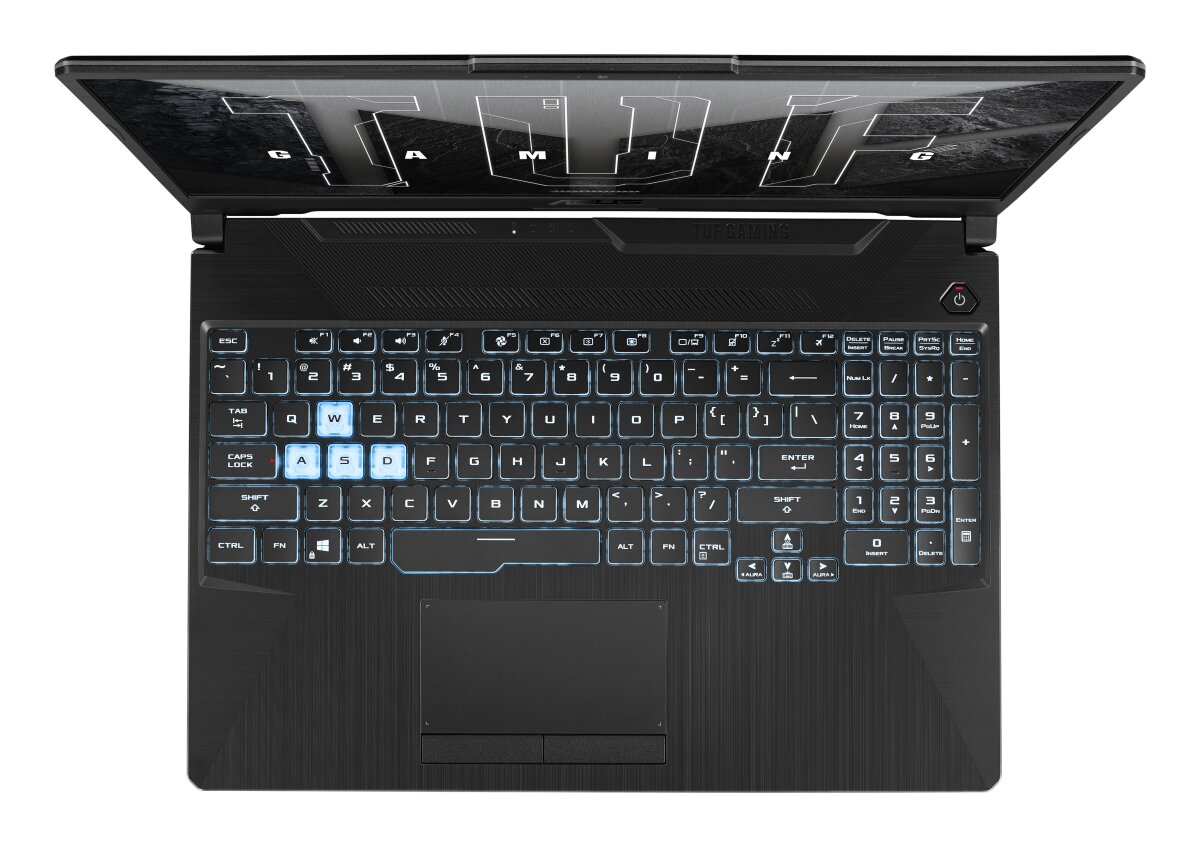

ASUS TUF Gaming A15 FA506IEB-HN041W laptop features dual SO-DIMM slots supporting DDR4-SDRAM memory upgrades. The system accommodates maximum RAM capacity of 32 GB total, with compatible modules operating at 3200 MHz frequency. Memory specifications define upgrade parameters for this gaming laptop model, allowing owners to expand installed capacity through compatible DDR4 SO-DIMM modules. The two available slots enable flexible configuration options for performance enhancement and multitasking capabilities.
Memory Upgrade Specifications
| Specification | Value |
|---|---|
| Memory slots | 2x SO-DIMM |
| Form factor | SO-DIMM |
| Memory type | DDR4-SDRAM |
| Frequency | 3200 MHz |
| Maximum RAM | 32 GB |
| Voltage | 1.2V |
| Number of pins | 260-pin |
| Interface | PC4 |
| PC Speed Rating | PC4-3200 (PC4-25600) |
| Bandwidth | 25.6 GB/s |
Additional Notes
- The ASUS TUF Gaming FA506IEB-HN041W contains 2 SO-DIMM slots, meaning both slots must be populated simultaneously to enable dual-channel memory architecture; single-module configurations operate in single-channel mode with measurable performance degradation in gaming and bandwidth-intensive workloads.
- DDR4-3200 memory operates at a fixed frequency; upgrading to higher-frequency DDR4 modules (3600 MHz or faster) will clock down to 3200 MHz due to JEDEC standards compliance, making such purchases economically inefficient.
- The 32 GB maximum capacity ceiling represents a hard limit imposed by the platform's memory controller; configurations exceeding this threshold will not initialize or will default to lower capacities.
- SO-DIMM form factor requires laptop-specific memory modules rather than desktop DDR4 sticks; incorrect form factor purchases cannot physically install and cannot be returned under most retailer policies once opened.
- Upgrading from factory configuration to maximum capacity (32 GB) may require removal of existing modules; if original modules are soldered rather than socketed, replacement becomes impossible and only additive upgrades to vacant slots remain viable.
- The 2-slot architecture creates a bottleneck for future memory expansion; if both slots are already occupied with maximum-capacity modules, no additional RAM can be added without complete module replacement.
- Memory timing specifications and voltage (typically 1.2V for DDR4-3200) must match factory specifications; mismatched timings can cause boot failures, data corruption, or system instability even if frequency and capacity ratings appear compatible.