ASUS TUF Gaming FA506IEB-HN064 RAM upgrade specifications

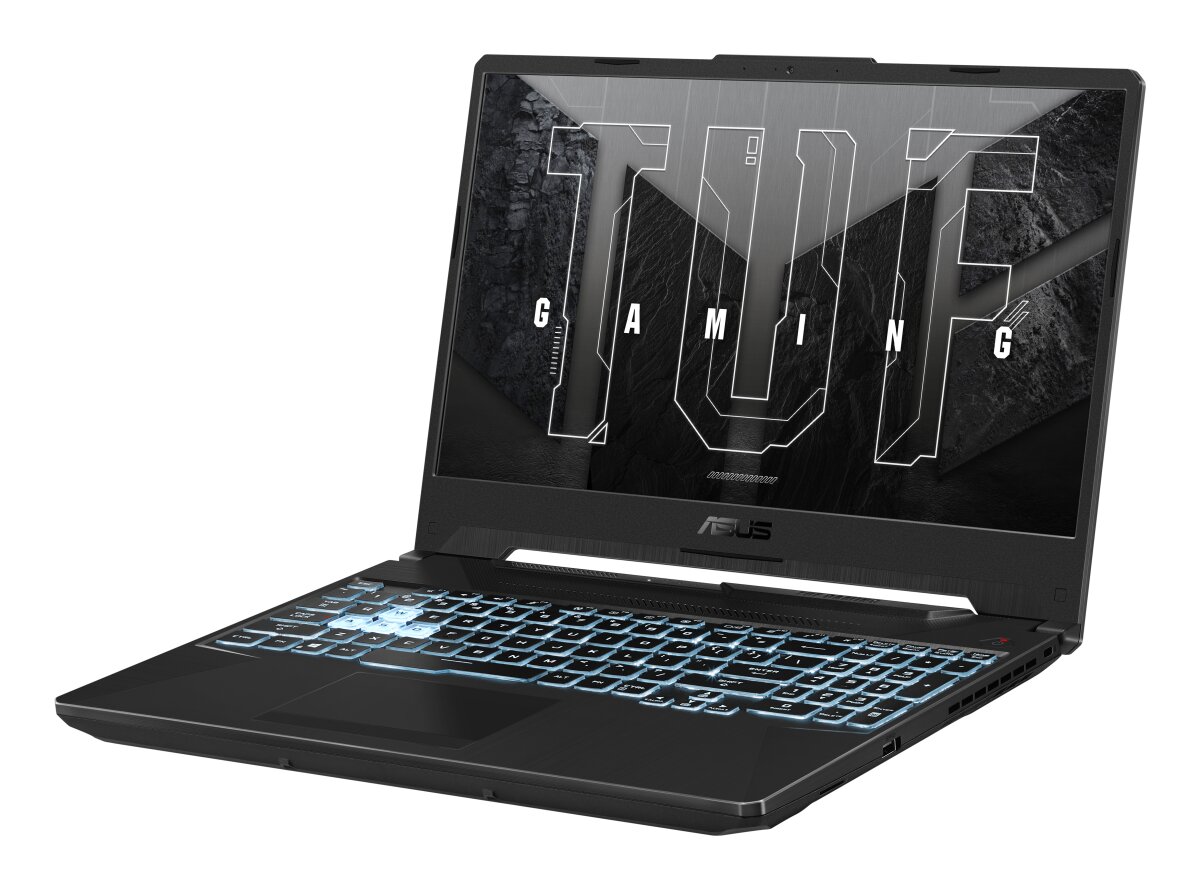
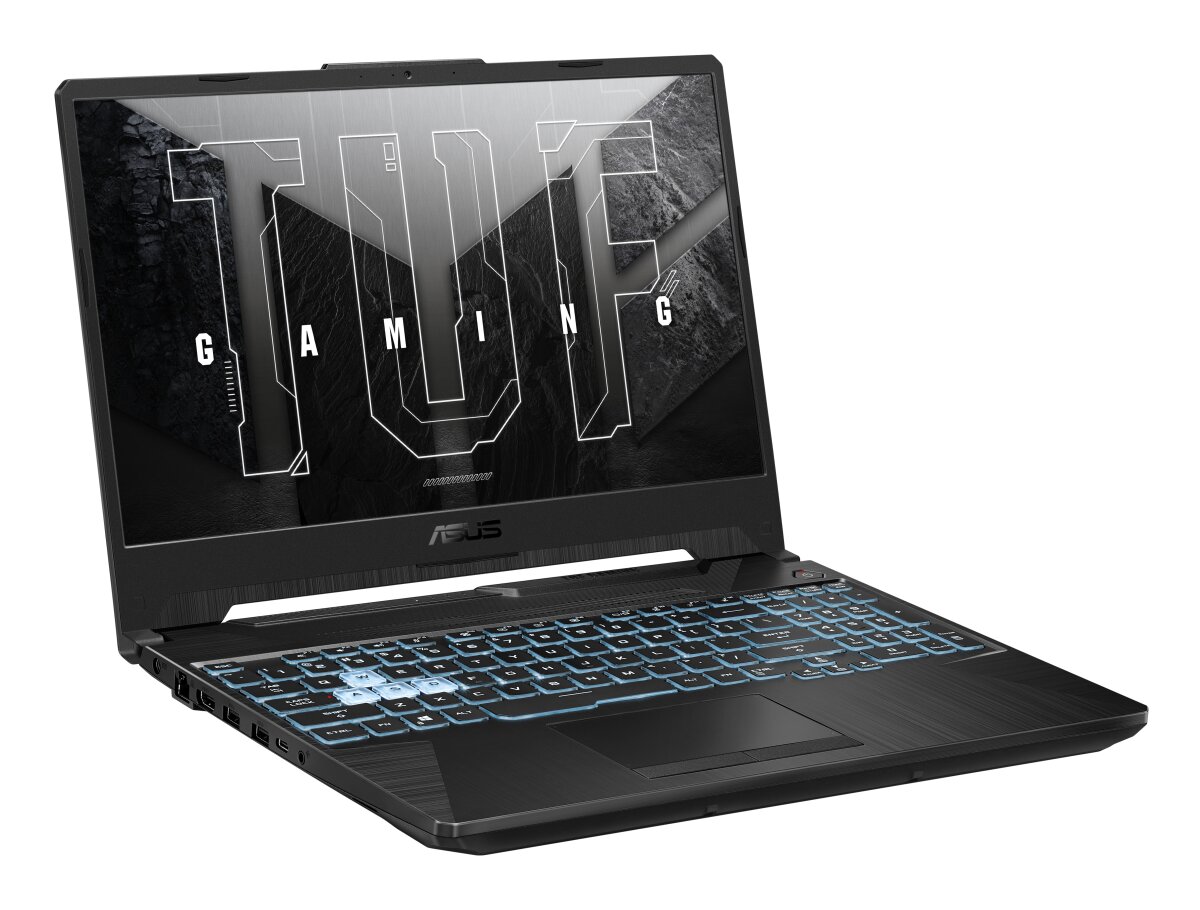
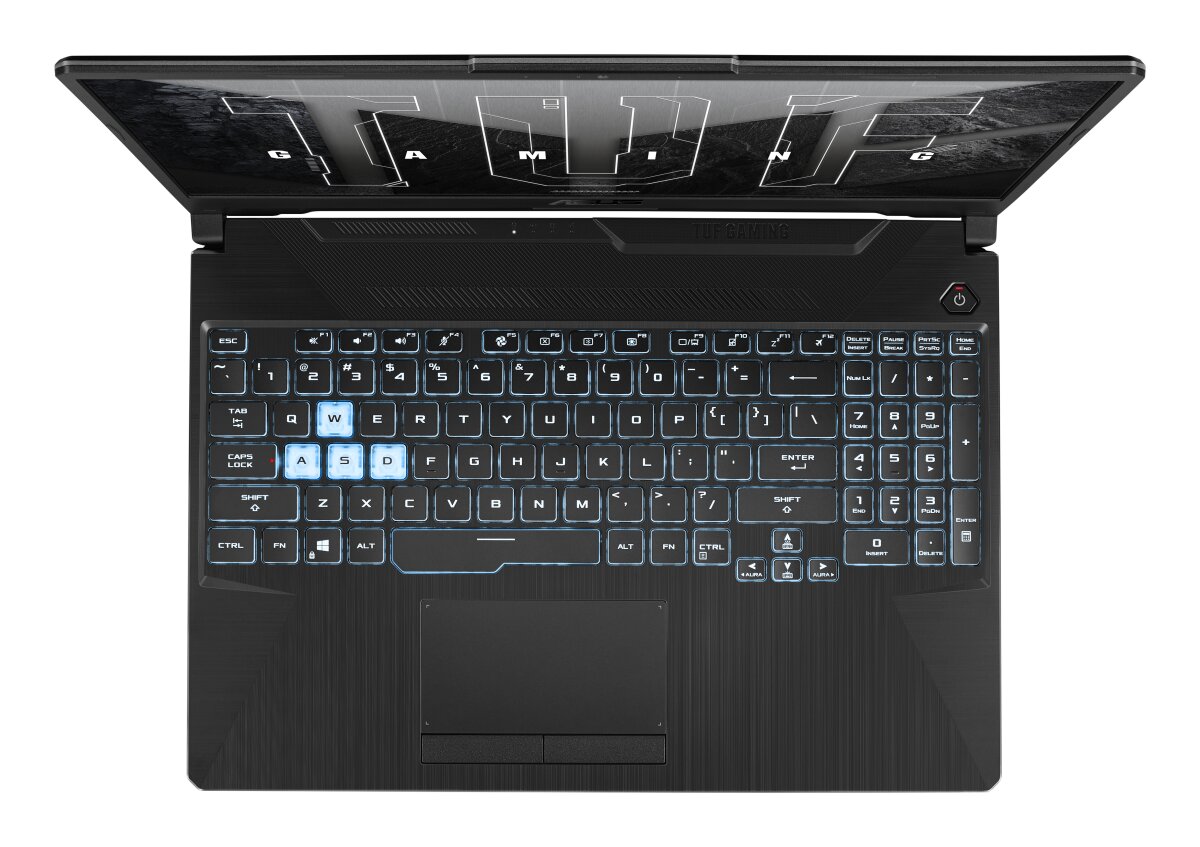
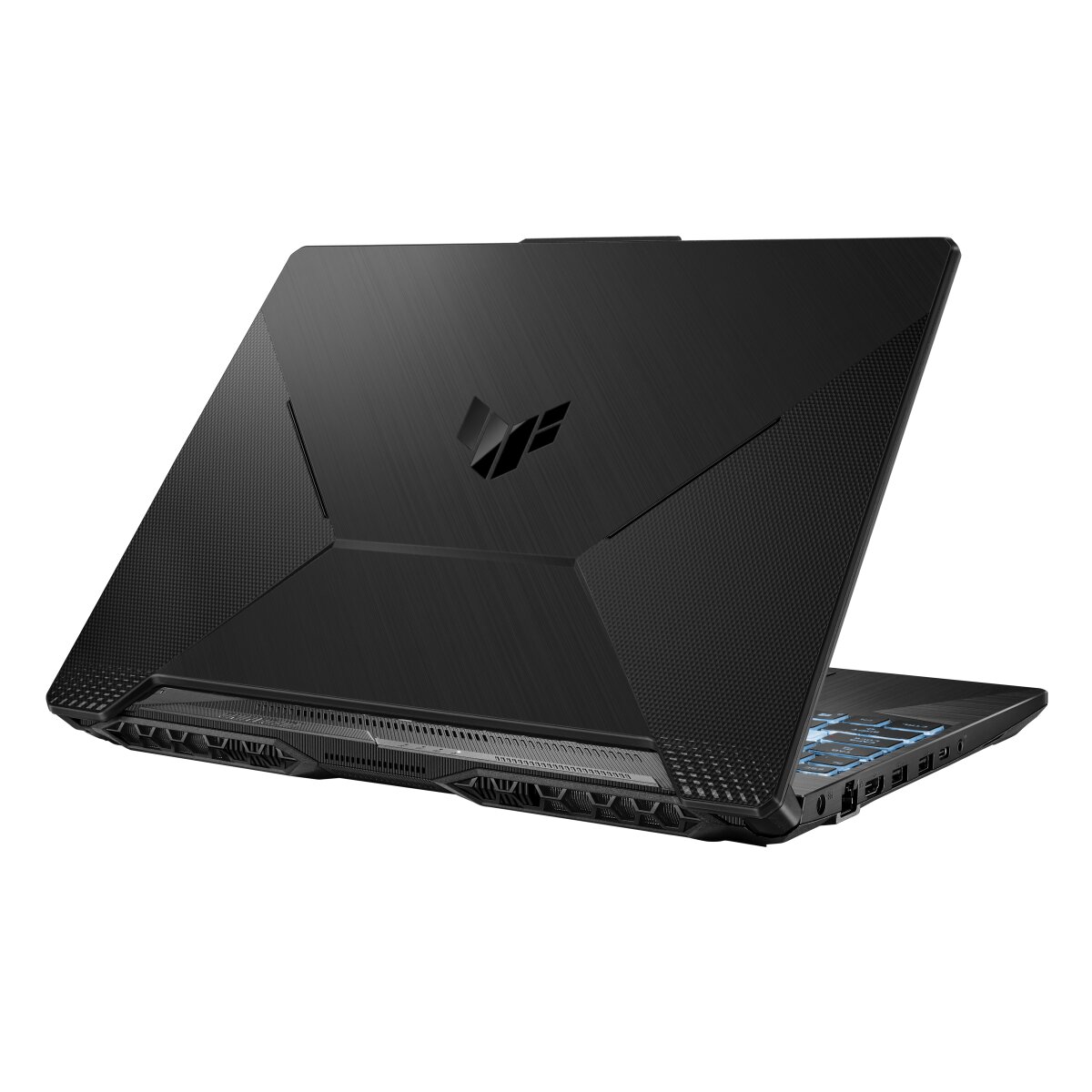
ASUS TUF Gaming A15 model FA506IEB-HN064 supports DDR4-SDRAM memory upgrades. The laptop contains 2x SO-DIMM slots for memory expansion. Maximum supported RAM capacity reaches 32 GB total. Compatible memory modules operate at 3200 MHz frequency with SO-DIMM form factor specifications. Users can upgrade existing memory configurations within these parameters to enhance system performance and multitasking capabilities.
Memory Upgrade Specifications
| Specification | Value |
|---|---|
| Memory slots | 2x SO-DIMM |
| Form factor | SO-DIMM |
| Memory type | DDR4-SDRAM |
| Frequency | 3200 MHz |
| Maximum RAM | 32 GB |
| Voltage | 1.2V |
| Number of pins | 260-pin |
| Interface | PC4 |
| PC Speed Rating | PC4-3200 (PC4-25600) |
| Bandwidth | 25.6 GB/s |
| Laptop Release date | 28 September 2022 |
Additional Notes
- The ASUS TUF Gaming FA506IEB-HN064 utilizes SO-DIMM slots, which restricts upgrades to laptop-specific memory modules and prevents compatibility with standard desktop DDR4 memory.
- With 2 slots and a 32 GB ceiling, the maximum configuration supports 16 GB per module, requiring both slots to be populated to reach the upper capacity limit.
- 3200 MHz operation establishes the baseline for memory bandwidth; replacing a single module with lower-frequency DDR4 will cause both slots to downclock to the slower module's speed, reducing overall system memory throughput.
- The dual-slot architecture means removing the original memory for upgrade leaves no operational RAM during the transition, necessitating temporary storage of the old module or a staged replacement approach to maintain system functionality during installation.
- SO-DIMM modules generate more localized heat in confined laptop chassis spaces compared to larger desktop modules; upgrading from lower to higher capacities may require verification that thermal management remains adequate, particularly in sustained-load scenarios.
- Memory upgrade operations on this platform typically do not trigger warranty concerns when performed by the end user, though physical disassembly requirements should be confirmed against the current service manual to avoid accidental disconnection of adjacent components.