ASUS TUF Gaming FA506IEB-HN066 RAM upgrade specifications



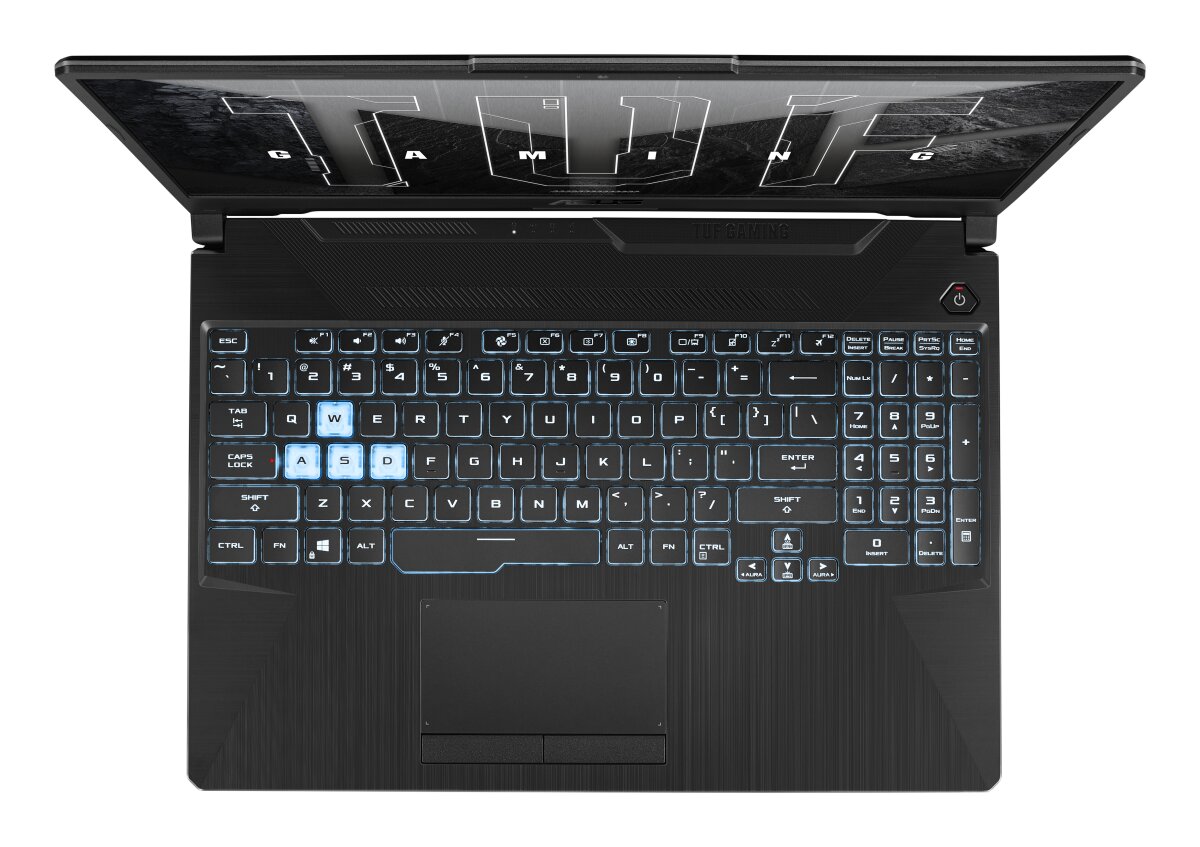

ASUS TUF Gaming A15 FA506IEB-HN066 laptop upgrade specifications include DDR4-SDRAM memory with two SO-DIMM slots supporting maximum capacity of 32 GB RAM. Memory specifications feature 3200 MHz frequency operation. Compatible memory upgrades utilize standard SO-DIMM form factor modules. Current configuration and available slots determine upgrade capacity compatibility for the FA506IEB-HN066 model.
Memory Upgrade Specifications
| Specification | Value |
|---|---|
| Memory slots | 2x SO-DIMM |
| Form factor | SO-DIMM |
| Memory type | DDR4-SDRAM |
| Frequency | 3200 MHz |
| Maximum RAM | 32 GB |
| Voltage | 1.2V |
| Number of pins | 260-pin |
| Interface | PC4 |
| PC Speed Rating | PC4-3200 (PC4-25600) |
| Bandwidth | 25.6 GB/s |
| Laptop Release date | 28 September 2022 |
Additional Notes
- The ASUS TUF Gaming FA506IEB-HN066 accepts only unbuffered non-ECC modules, as buffered or ECC variants are incompatible with consumer-grade mobile chipsets despite sharing the DDR4 SO-DIMM form factor.
- Dual-channel configuration requires matched module pairs with identical specifications to prevent frequency downclocking or single-channel fallback operation.
- Mixed capacity configurations result in asymmetric channel population, where only the matched portion operates in dual-channel mode while excess capacity reverts to single-channel bandwidth.
- The 3200 MHz specification operates on JEDEC standard timing profiles, with XMP/EXPO profiles being unsupported in this platform architecture.
- The 32 GB ceiling translates to a maximum 16 GB per module configuration, as higher-density SO-DIMMs exceed the memory controller's addressing capability.
- Installation requires complete battery disconnection and residual power discharge to prevent southbridge damage during module insertion or removal.
- Mixing CAS latencies across slots forces the memory controller to adopt the slower timing specification across both channels.
- Third-party modules maintain warranty validity provided installation follows electrostatic discharge protocols and does not involve case seal removal beyond the designated service panel.
- Single-rank versus dual-rank module architecture affects interleaving efficiency, with dual-rank configurations providing marginal bandwidth improvements in memory-intensive workloads.
- Operating voltage remains locked at 1.2V standard, as the platform lacks support for low-voltage 1.35V DDR4L variants despite physical compatibility.