ASUS TUF Gaming FA506IV-HN472T RAM upgrade specifications

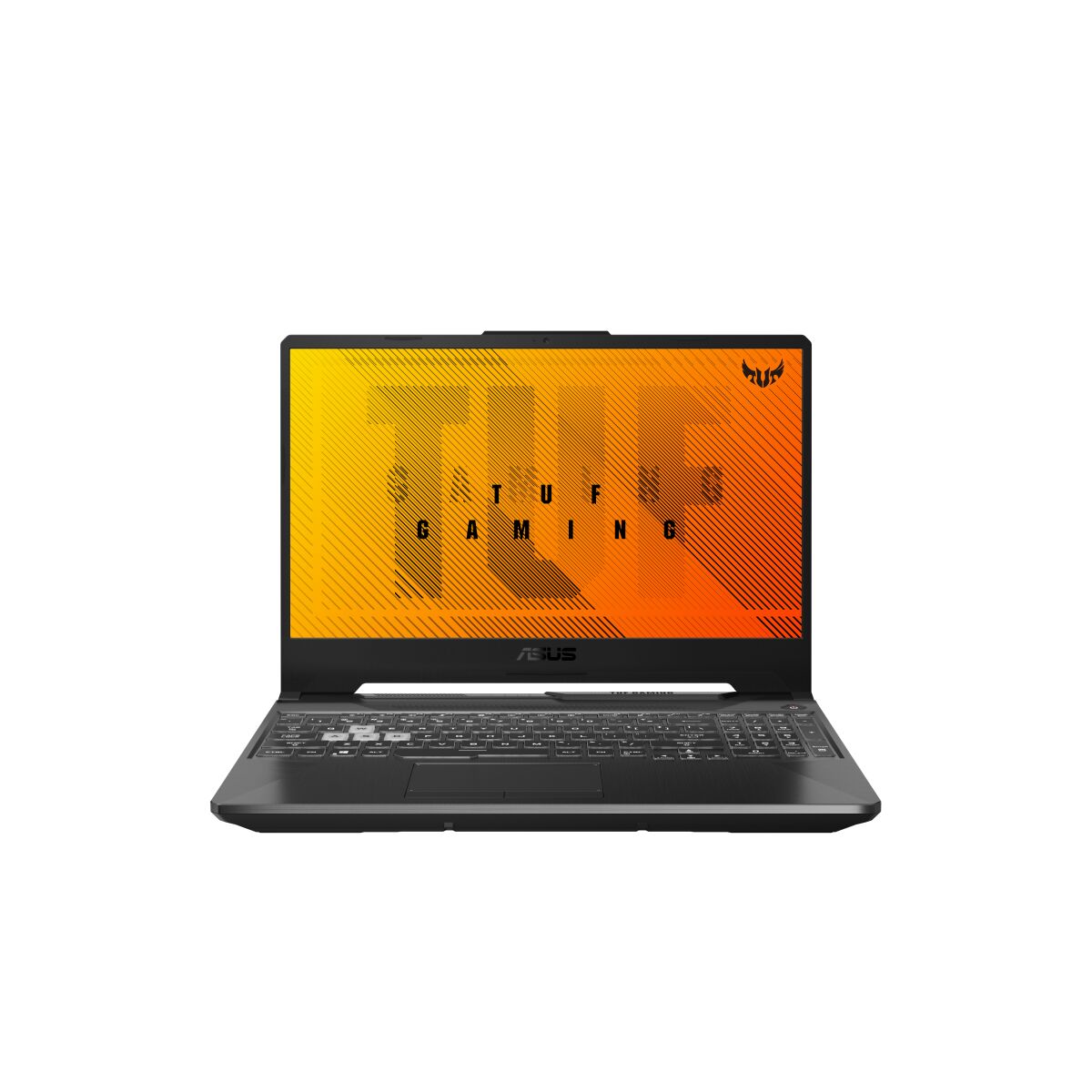
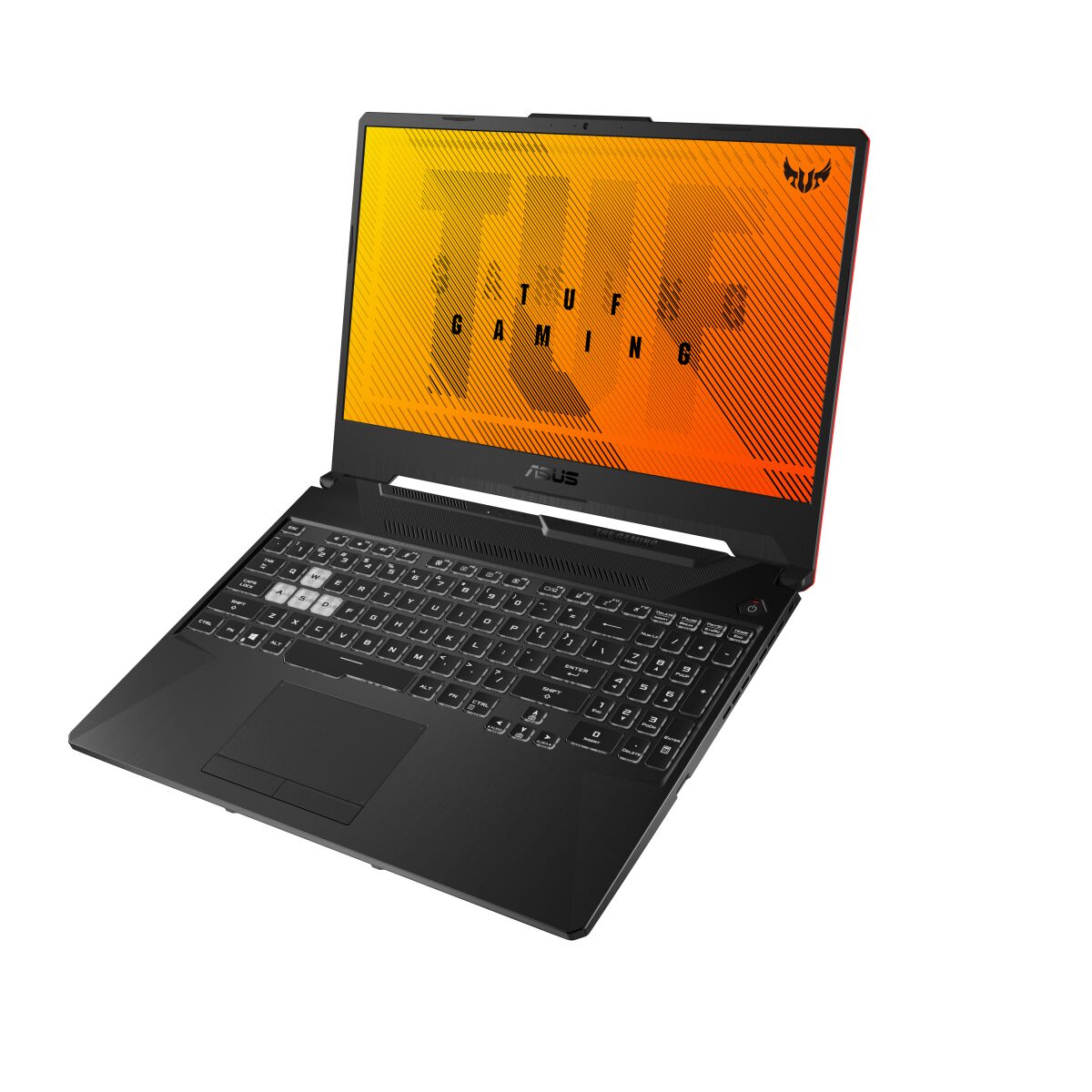
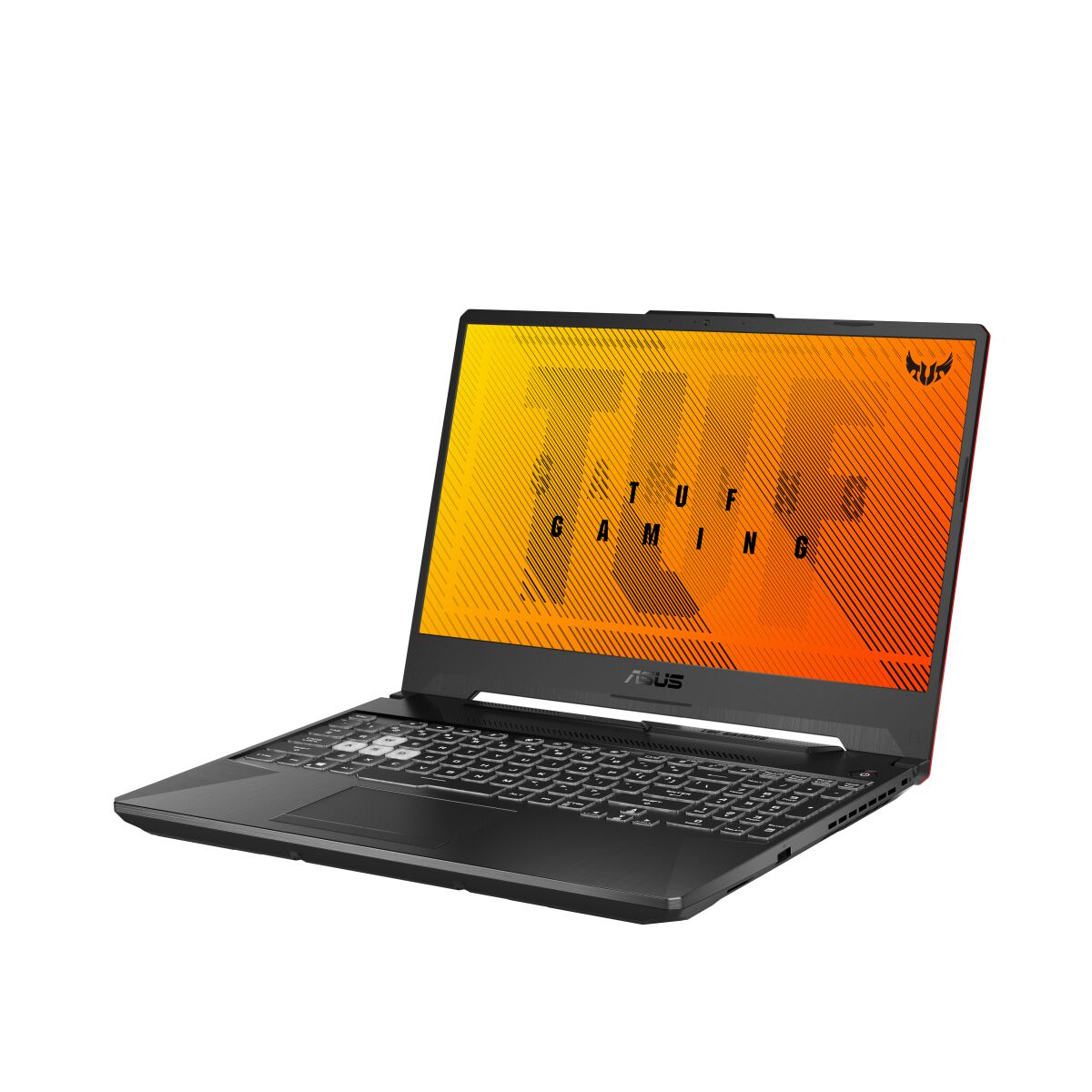

The ASUS TUF Gaming A15 FA506IV-HN472T features DDR4-SDRAM memory upgrade capabilities with two SO-DIMM slots. Maximum RAM capacity reaches 32 GB total. Compatible memory operates at 3200 MHz frequency and utilizes the SO-DIMM form factor. Specifications support dual-channel memory configuration for enhanced performance in gaming and multitasking applications. Current upgrade slots accommodate standard DDR4 modules meeting these technical requirements.
Memory Upgrade Specifications
| Specification | Value |
|---|---|
| Memory slots | 2x SO-DIMM |
| Form factor | SO-DIMM |
| Memory type | DDR4-SDRAM |
| Frequency | 3200 MHz |
| Maximum RAM | 32 GB |
| Voltage | 1.2V |
| Number of pins | 260-pin |
| Interface | PC4 |
| PC Speed Rating | PC4-3200 (PC4-25600) |
| Bandwidth | 25.6 GB/s |
| Laptop Release date | 16 January 2021 |
Additional Notes
- The ASUS TUF Gaming FA506IV-HN472T supports DDR4-3200 memory, which provides a theoretical bandwidth of 25.6 GB/s per channel, resulting in 51.2 GB/s aggregate bandwidth in dual-channel configuration.
- Installing a single module will operate in single-channel mode, cutting available memory bandwidth in half and potentially creating a bottleneck for integrated graphics or CPU-intensive tasks.
- The 32 GB maximum capacity limitation is typically enforced by chipset memory controller constraints rather than physical slot restrictions, meaning modules larger than 16 GB each will not function even if physically compatible.
- SO-DIMM modules feature 260 pins and measure 69.6 mm in length, which differs from desktop DIMM form factors and prevents interchangeability between laptop and desktop memory.
- DDR4 SO-DIMM modules operate at 1.2V standard voltage, while older DDR3L SO-DIMMs use 1.35V, making cross-generation installation physically possible but electrically incompatible and non-functional.
- Both memory slots must support the same maximum speed, meaning mixing 3200 MHz with lower-speed modules will downclock the entire system to the slowest module's frequency.
- Accessing the memory slots typically requires bottom panel removal, which may void warranty seals on certain models unless the manufacturer explicitly designates these components as user-serviceable.
- CAS latency specifications affect real-world performance independently of frequency, with tighter timings (lower CL values) reducing memory access latency despite identical MHz ratings.
- Ryzen mobile processors paired with this memory configuration benefit significantly from dual-channel operation due to the CPU architecture's sensitivity to memory bandwidth for Infinity Fabric communication.
- Non-ECC unbuffered modules are required for consumer laptops, as registered or ECC memory types designed for servers will not initialize properly in this platform.