ASUS TUF Gaming FA506NCG-HN184W RAM upgrade specifications



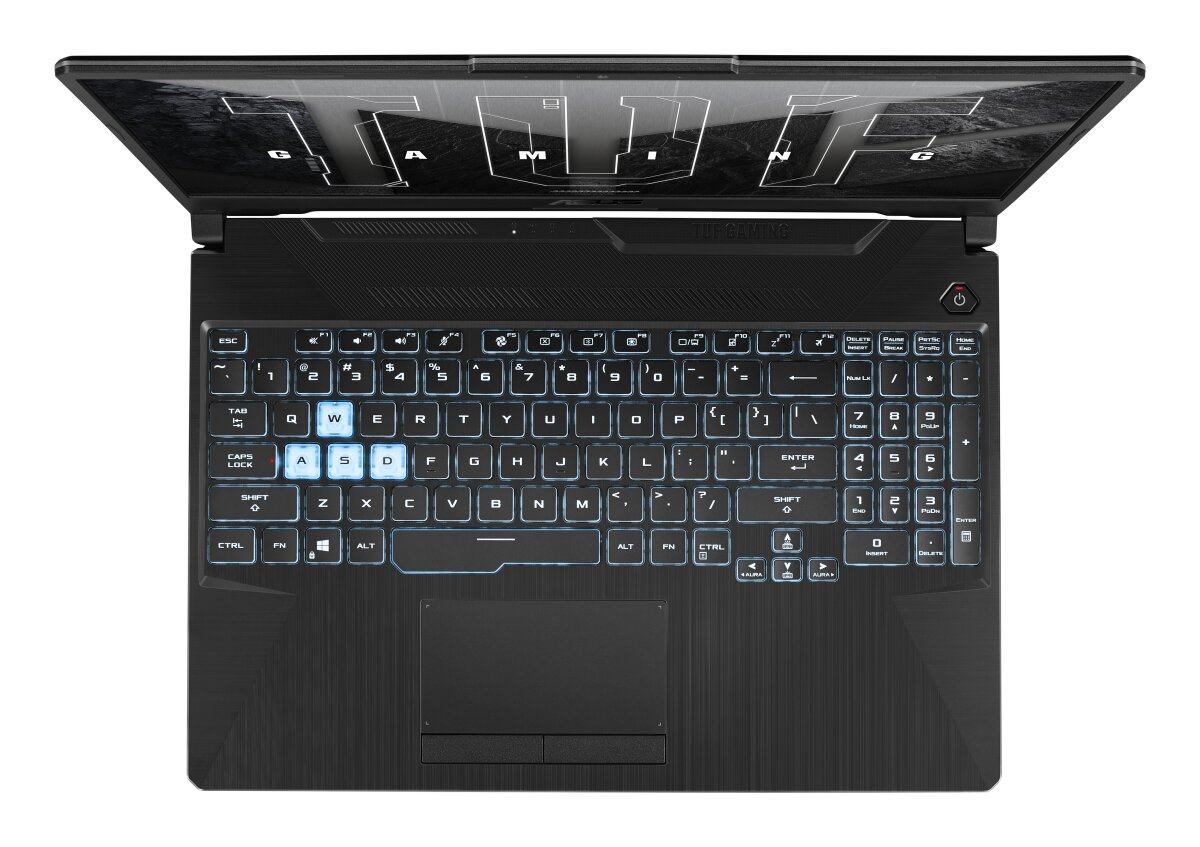

ASUS TUF Gaming A15 FA506NCG-HN184W RAM upgrade specifications include DDR5-SDRAM memory compatible with 2x SO-DIMM slots. Maximum memory capacity reaches 64 GB total. Memory operates at 5600 MHz frequency. SO-DIMM form factor is required for compatibility. Upgrade slots support dual-channel configuration for enhanced performance. Specifications enable users to expand existing RAM capacity by replacing or supplementing original memory modules installed in laptop.
Memory Upgrade Specifications
| Specification | Value |
|---|---|
| Memory slots | 2x SO-DIMM |
| Form factor | SO-DIMM |
| Memory type | DDR5-SDRAM |
| Frequency | 5600 MHz |
| Maximum RAM | 64 GB |
| Voltage | 1.1V |
| Number of pins | 262-pin |
| Interface | PC5 |
| PC Speed Rating | PC5-5600 (PC5-44800) |
| Bandwidth | 44.8 GB/s |
Additional Notes
- The ASUS TUF Gaming FA506NCG-HN184W contains 2 SO-DIMM slots operating at 5600 MHz, establishing a ceiling of 64 GB total capacity when both slots accept 32 GB modules.
- DDR5-SDRAM at 5600 MHz delivers 44.8 GB/s bandwidth per channel, sufficient for sustained gaming workloads but susceptible to latency penalties if paired with processors featuring asymmetrical core configurations or unbalanced cache hierarchies.
- SO-DIMM form factor requires precise compatibility verification; DDR5 SO-DIMM modules are not interchangeable with prior-generation DDR4 SO-DIMM hardware, and certain 5600 MHz bins may exhibit compatibility variance across BIOS revisions released after the original platform launch.
- Dual-slot architecture leaves no expansion margin once both slots are populated; future memory upgrades necessitate complete module replacement rather than additive capacity growth.
- Installation of non-OEM DDR5 modules at rated frequencies carries warranty implications depending on ASUS support policies; operating memory beyond factory-validated specifications may void coverage on memory-related system failures.
- The 5600 MHz frequency rating assumes standard JEDEC voltage profiles; overclocked or binned modules may require manual BIOS voltage adjustment, introducing potential stability variance on systems lacking comprehensive memory timing documentation.