ASUS TUF Gaming FA506NCG-HN206-GAMING RAM upgrade specifications

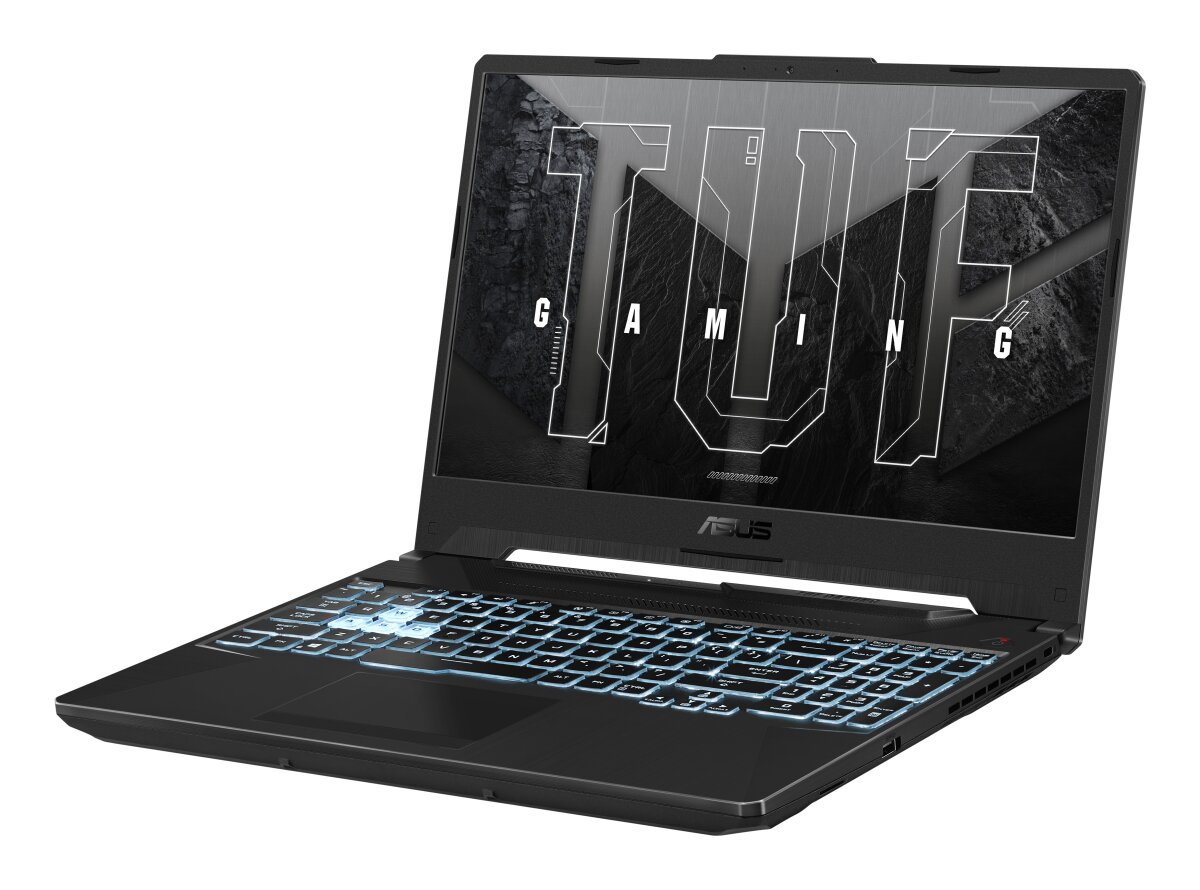
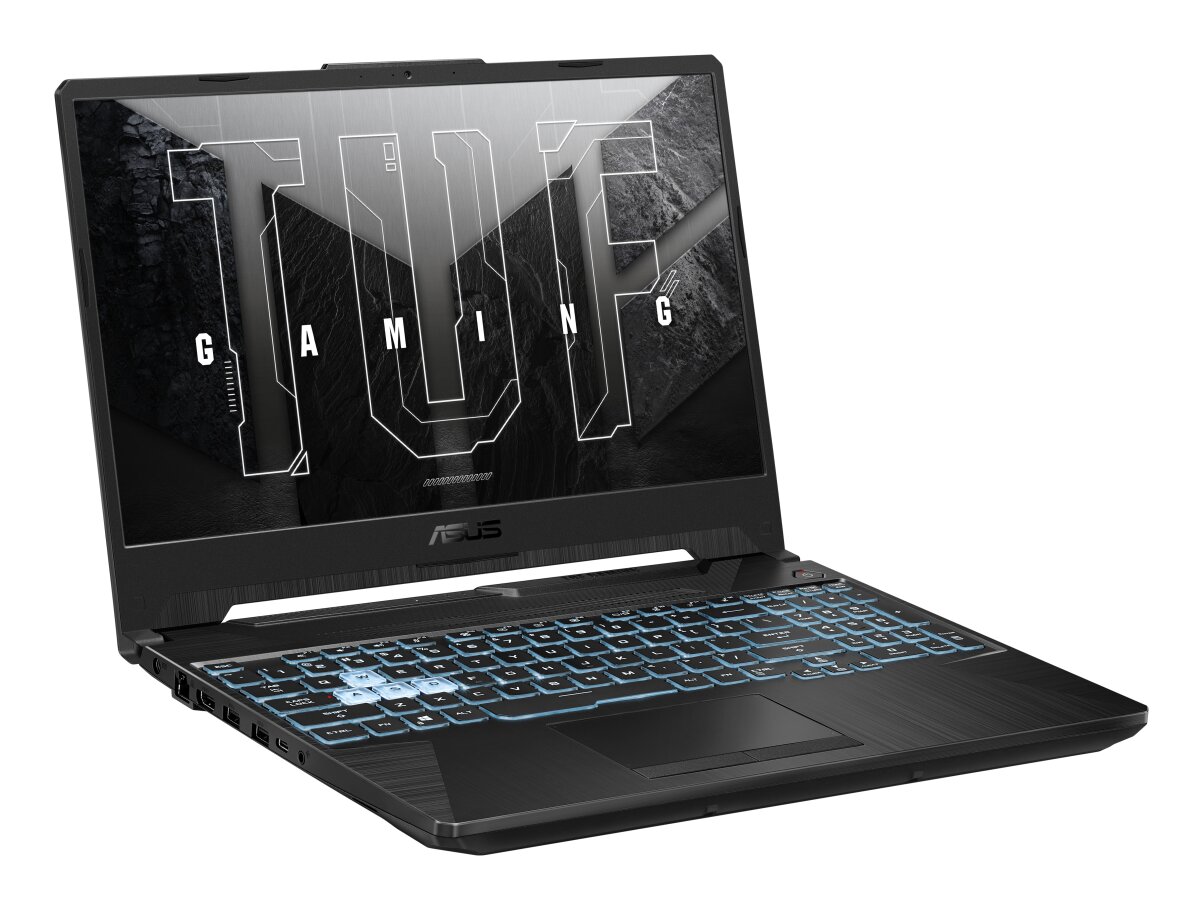
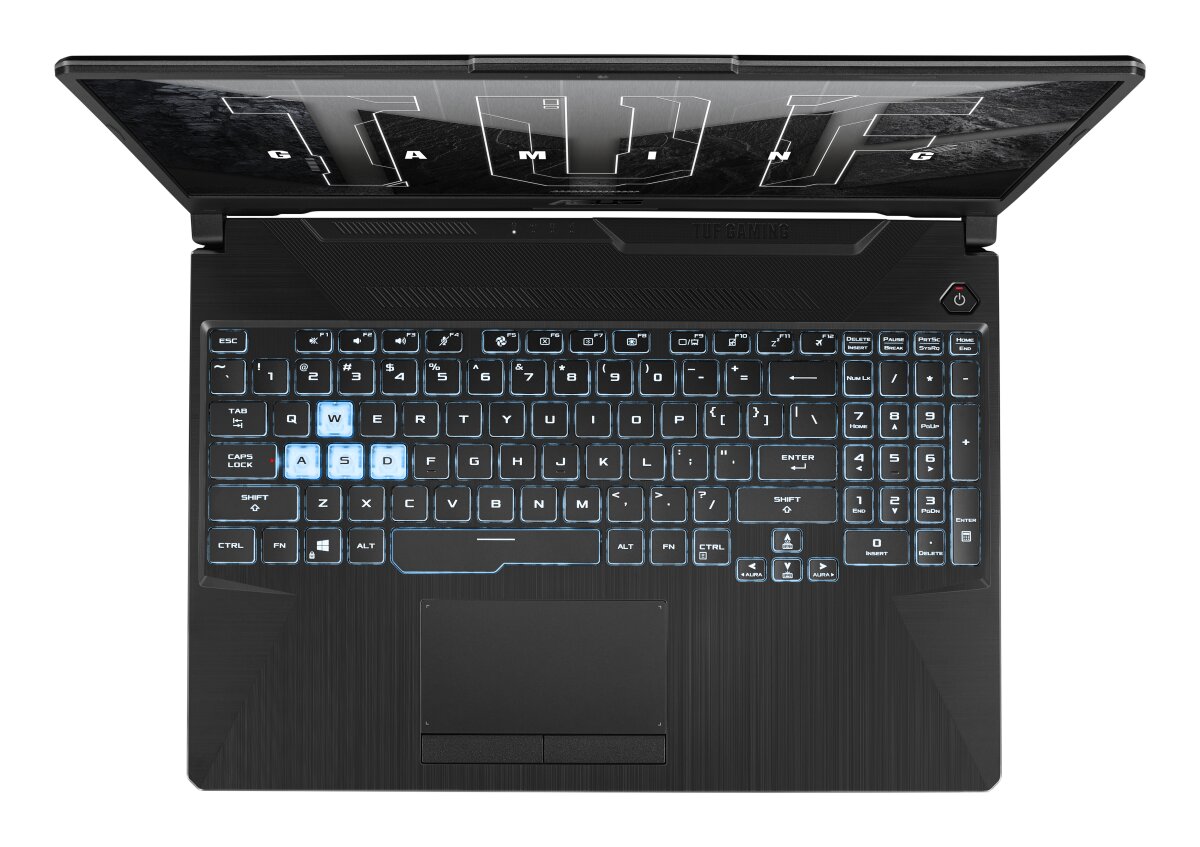
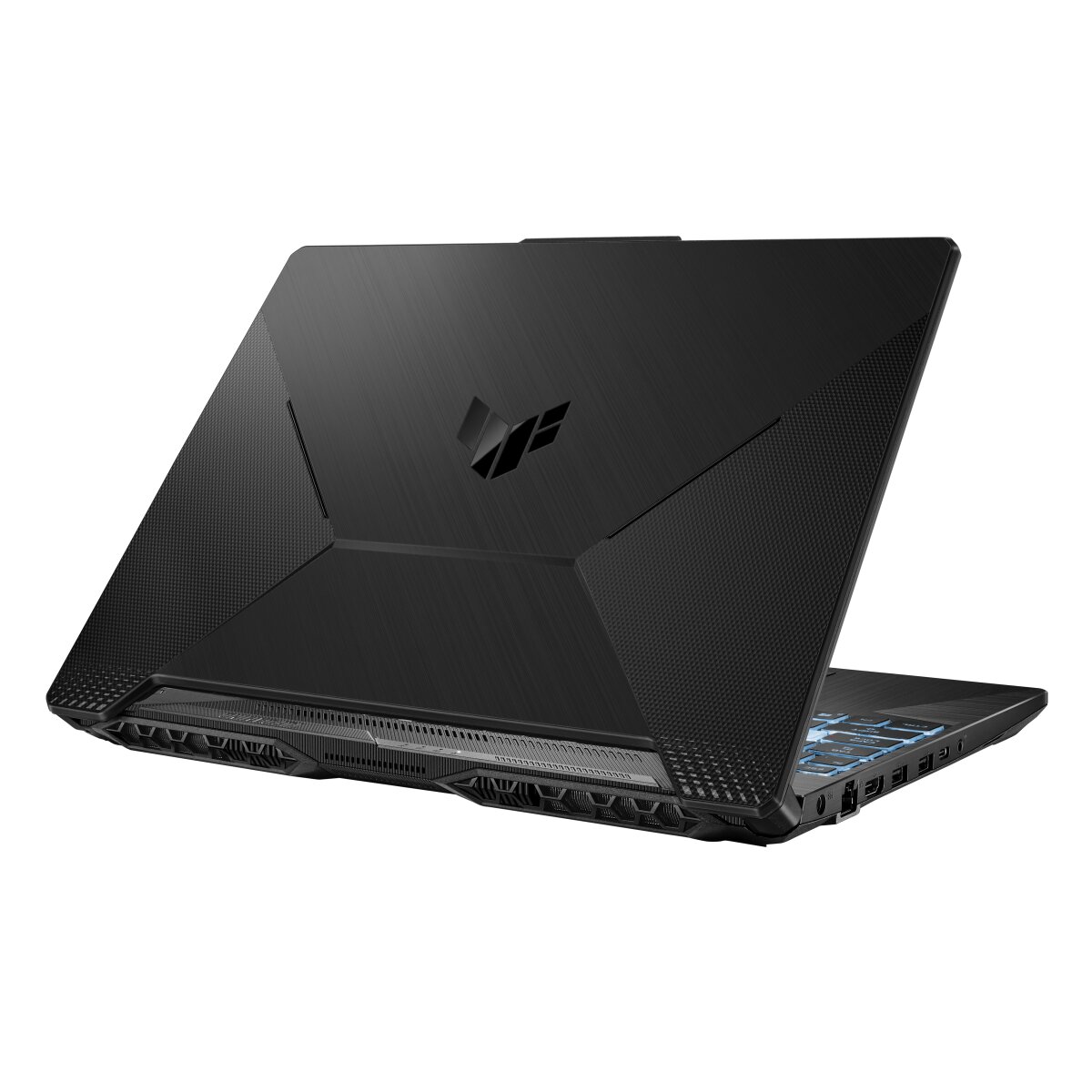
ASUS TUF Gaming A15 FA506NCG-HN206-GAMING laptop features DDR5-SDRAM memory upgrade specifications. The system includes 2x SO-DIMM slots supporting maximum RAM capacity of 64 GB. Compatible memory operates at 5600 MHz frequency using SO-DIMM form factor. Upgrade specifications enable installation of DDR5 memory modules to enhance system performance and multitasking capability.
Memory Upgrade Specifications
| Specification | Value |
|---|---|
| Memory slots | 2x SO-DIMM |
| Form factor | SO-DIMM |
| Memory type | DDR5-SDRAM |
| Frequency | 5600 MHz |
| Maximum RAM | 64 GB |
| Voltage | 1.1V |
| Number of pins | 262-pin |
| Interface | PC5 |
| PC Speed Rating | PC5-5600 (PC5-44800) |
| Bandwidth | 44.8 GB/s |
Additional Notes
- The ASUS TUF Gaming FA506NCG-HN206-GAMING supports DDR5-5600 modules exclusively, meaning DDR4 modules from older systems cannot be installed due to incompatible notch placement and voltage requirements.
- Both SO-DIMM slots must operate at the same frequency, so mixing a 5600 MHz module with a lower-speed DDR5 module will downclock the faster module to match the slower one.
- The 64 GB maximum capacity requires two 32 GB modules, as single-slot configurations exceeding this density are not supported by the memory controller.
- Installing non-JEDEC standard DDR5 modules rated above 5600 MHz may result in automatic downclocking to 5600 MHz unless the BIOS supports XMP/EXPO profiles for this platform.
- Dual-channel operation requires populating both SO-DIMM slots with matched or similar modules, as single-stick configurations will run in single-channel mode with approximately half the memory bandwidth.
- DDR5 SO-DIMM modules feature integrated voltage regulation, which means compatibility depends on both the module's PMIC design and the motherboard's power delivery specifications.
- Mixing modules with different CAS latencies will force both to operate at the higher latency value, potentially reducing performance in latency-sensitive applications.
- The SO-DIMM form factor requires low-profile modules without heat spreaders exceeding standard height specifications to avoid clearance issues with the laptop chassis.
- Upgrading to the maximum 64 GB capacity may increase power consumption and heat generation compared to lower-capacity configurations, potentially affecting thermal management under sustained workloads.
- Memory upgrades typically do not void manufacturer warranties if performed according to service manual guidelines, though physical damage during installation is not covered.