ASUS TUF Gaming FA506NCG-HN207 RAM upgrade specifications


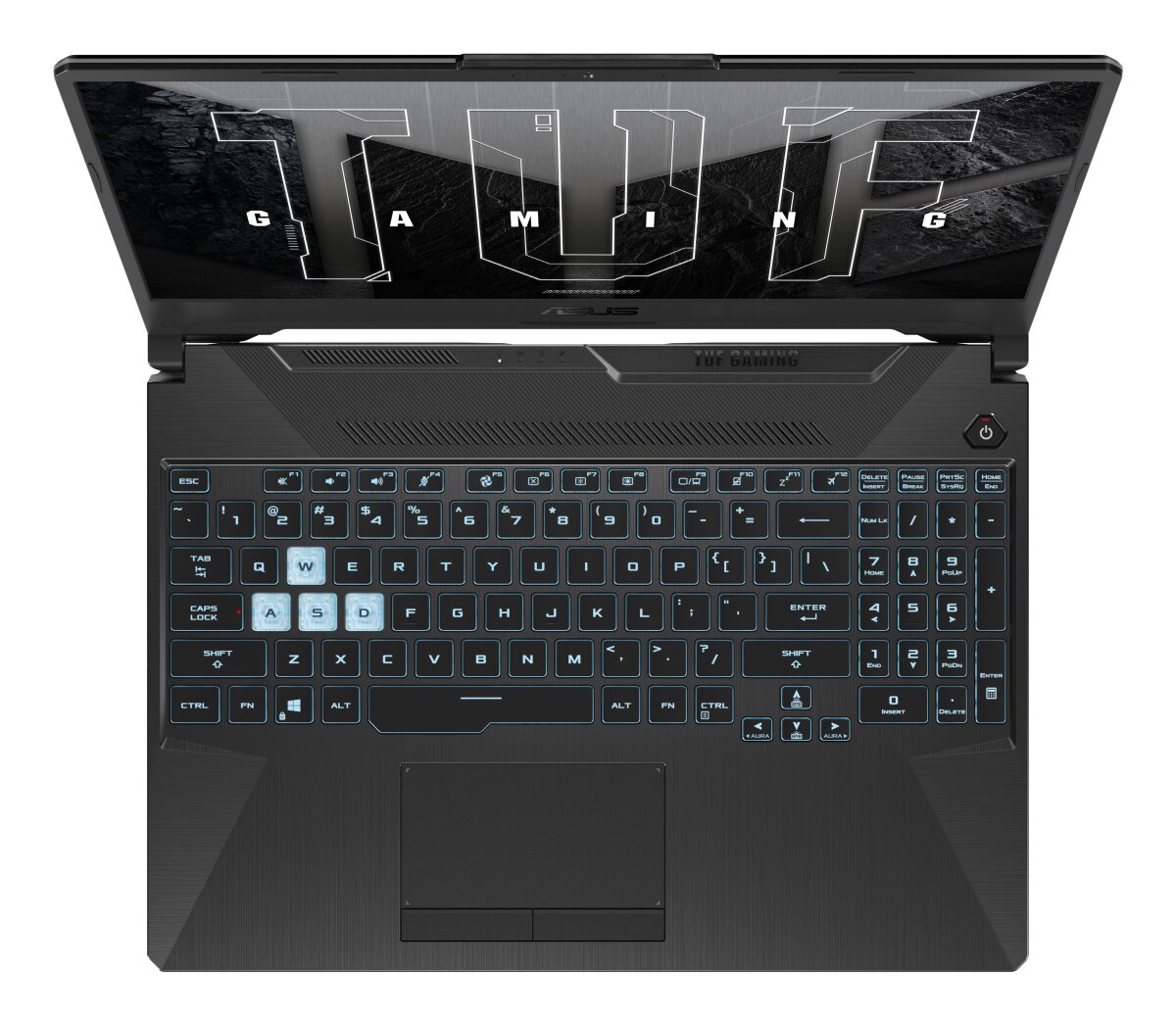


ASUS TUF Gaming A15 FA506NCG-HN207 features DDR5-SDRAM memory upgrade capabilities with 2x SO-DIMM slots supporting maximum capacity of 64 GB RAM. Compatible memory operates at 5600 MHz frequency. Specifications indicate support for dual SO-DIMM form factor modules, enabling system memory expansion from factory-configured capacity to upper compatibility limits. Upgrade path specifications demonstrate DDR5 technology implementation across designated memory slots.
Memory Upgrade Specifications
| Specification | Value |
|---|---|
| Memory slots | 2x SO-DIMM |
| Form factor | SO-DIMM |
| Memory type | DDR5-SDRAM |
| Frequency | 5600 MHz |
| Maximum RAM | 64 GB |
| Voltage | 1.1V |
| Number of pins | 262-pin |
| Interface | PC5 |
| PC Speed Rating | PC5-5600 (PC5-44800) |
| Bandwidth | 44.8 GB/s |
Additional Notes
- Dual channel architecture requires matching memory modules in both slots to reach the full theoretical peak bandwidth of the system.
- The 64 GB maximum threshold indicates the motherboard firmware supports high density 32 GB modules per slot which exceeds standard factory configurations.
- The ASUS TUF Gaming FA506NCG-HN207 utilizes SO-DIMM slots that facilitate manual hardware component replacement without necessitating motherboard exchanges or soldering.
- Integrated graphics performance scales directly with the frequency and latency of the installed modules since the GPU shares the system memory pool.
- Mixing modules with different rated speeds will force the memory controller to downclock all installed RAM to the lowest common frequency found among the sticks.
- Physical access to the memory slots requires removal of the bottom chassis panel which involves standard Phillips head screws and potential plastic clips.
- Transitioning to DDR5 technology improves power efficiency compared to older generations due to on-module voltage regulation instead of motherboard-controlled power delivery.
- Achieving the rated 5600 MHz speed depends on the internal memory controller capability of the processor paired with the specific BIOS profile.