ASUS TUF Gaming FA506NCR-HN001-GAMING RAM upgrade specifications

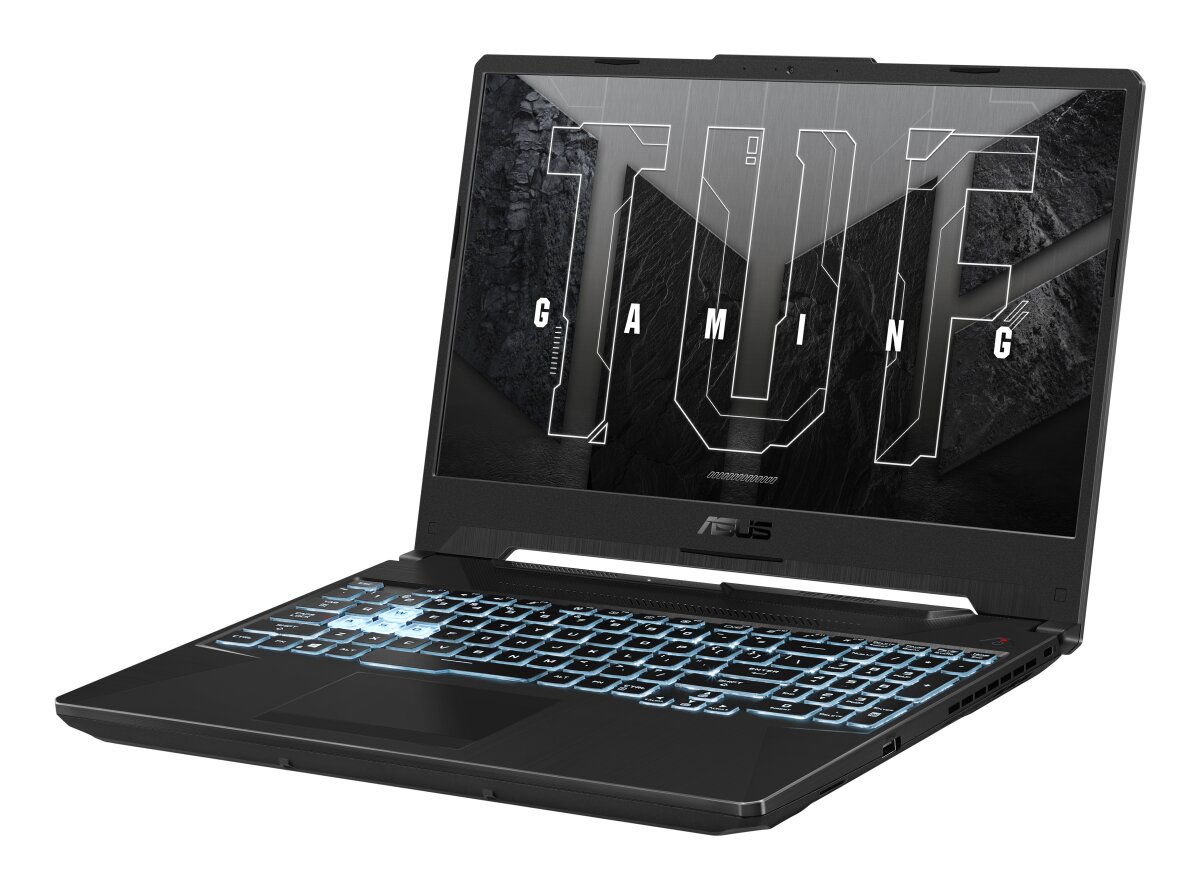
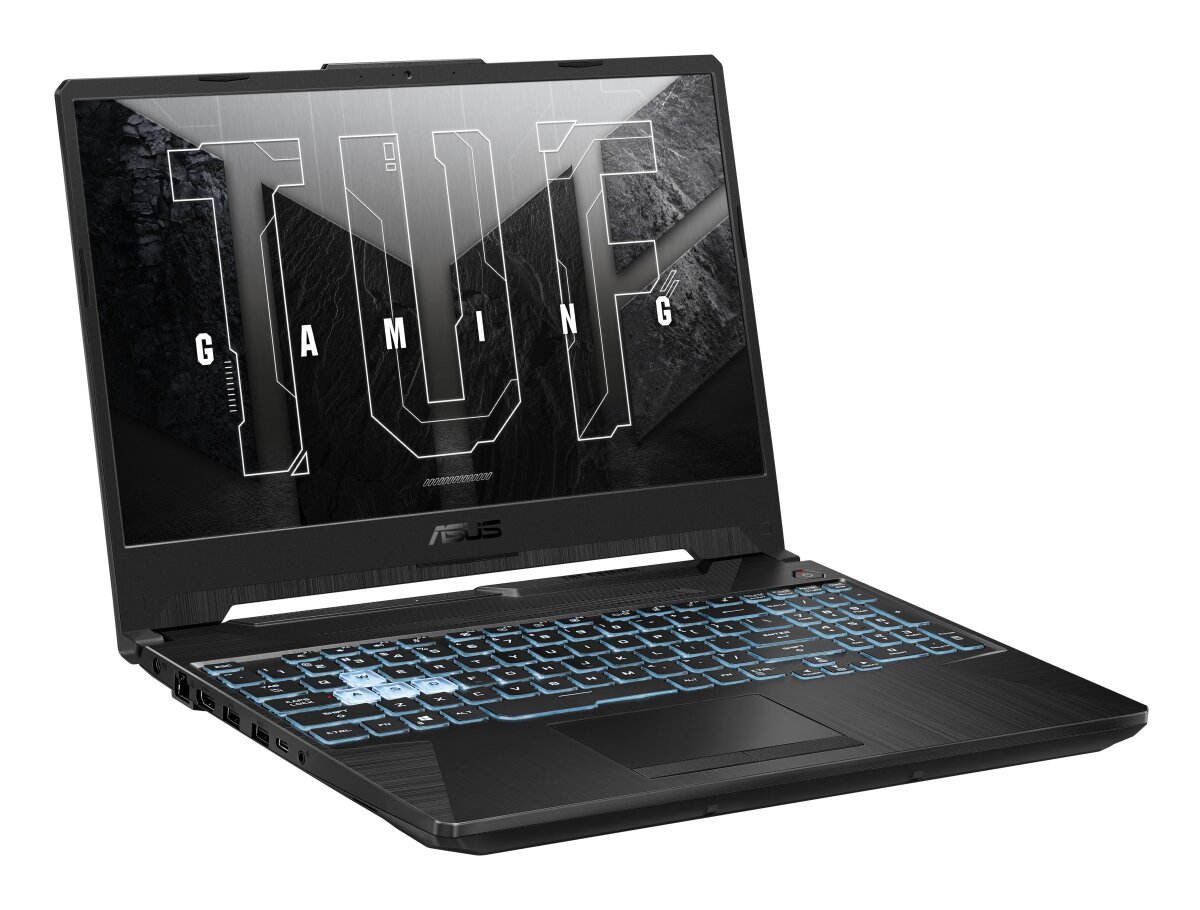
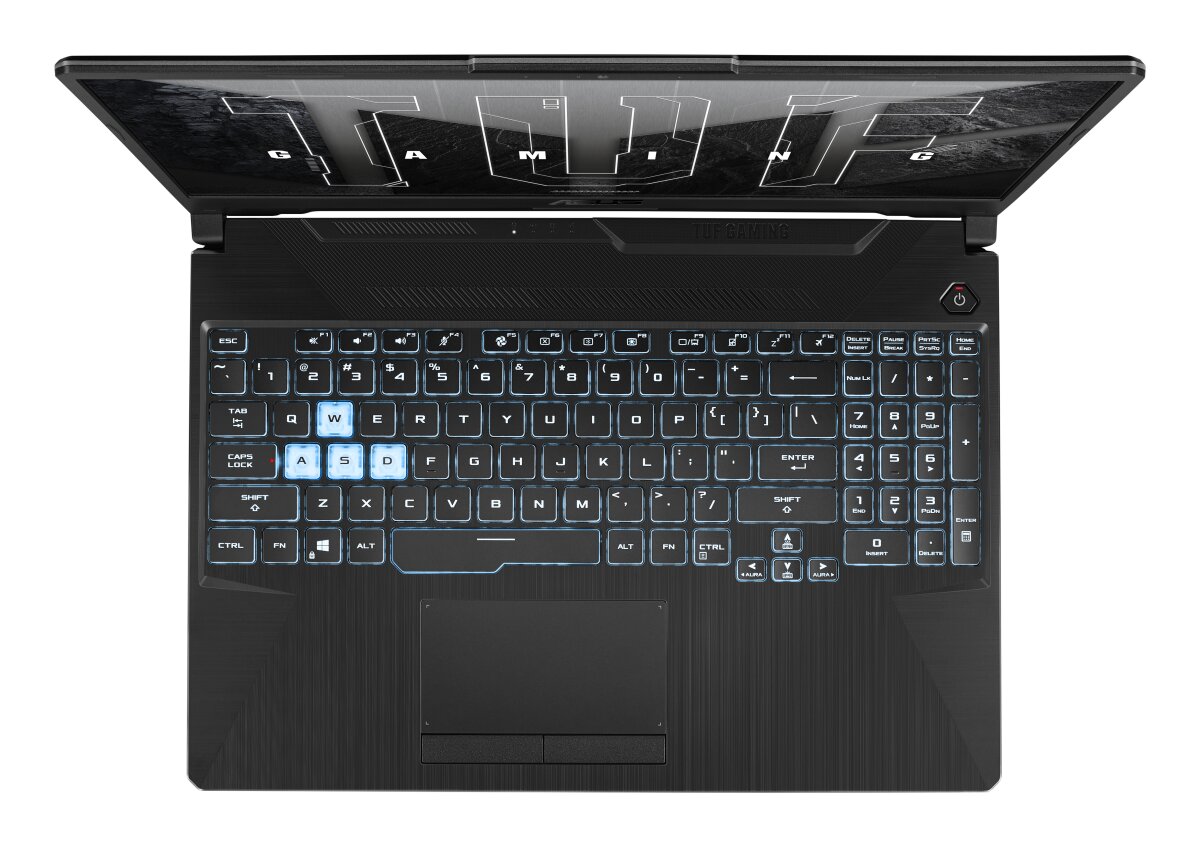

ASUS TUF Gaming A15 FA506NCR-HN001-GAMING laptop memory upgrade specifications include DDR5-SDRAM compatible modules in SO-DIMM form factor. The system features 2 memory slots supporting maximum RAM capacity of 32 GB total. Upgrade modules operate at 5600 MHz frequency. Compatible DDR5 SO-DIMM memory upgrades enable expansion of RAM beyond factory configuration for enhanced multitasking and performance capabilities.
Memory Upgrade Specifications
| Specification | Value |
|---|---|
| Memory slots | 2x SO-DIMM |
| Form factor | SO-DIMM |
| Memory type | DDR5-SDRAM |
| Frequency | 5600 MHz |
| Maximum RAM | 32 GB |
| Voltage | 1.1V |
| Number of pins | 262-pin |
| Interface | PC5 |
| PC Speed Rating | PC5-5600 (PC5-44800) |
| Bandwidth | 44.8 GB/s |
Additional Notes
- The presence of 2 SO-DIMM slots confirms that the ASUS FA506NCR-HN001-GAMING lacks soldered memory, allowing for a total replacement of the factory modules if necessary.
- Utilizing identical memory modules across both slots enables dual-channel mode, which significantly increases memory bandwidth for CPU-intensive tasks compared to single-channel configurations.
- The 5600 MHz frequency indicates a requirement for high-speed DDR5 modules; installing slower rated memory will force the entire system to downclock to the lowest common speed.
- Physical memory expansion is limited to 32 GB, suggesting the motherboard firmware or processor architecture imposes a hard cap on addressable memory space.
- Upgrading beyond the factory configuration requires caution regarding height clearances, as standard SO-DIMM form factors are required to prevent physical interference with the internal cooling pipes or chassis base.
- Latency timings should be matched between modules because the system defaults to the highest JEDEC timing profile available among the installed hardware.
- The transition to DDR5 architecture introduces on-die Error Correction Code (ECC), providing better data integrity during high-load operations than older DDR4 standards.