ASUS TUF Gaming FA506NCG-HN266-GAMING RAM upgrade specifications



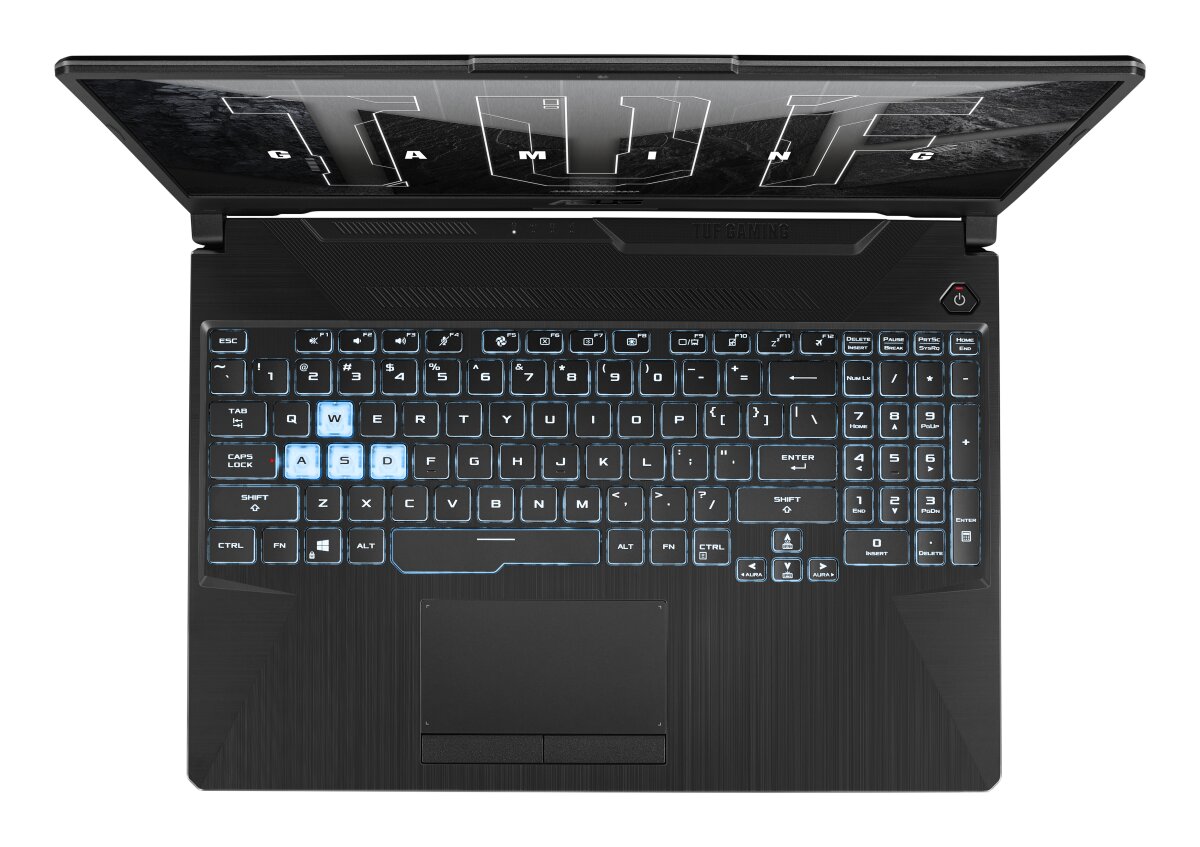
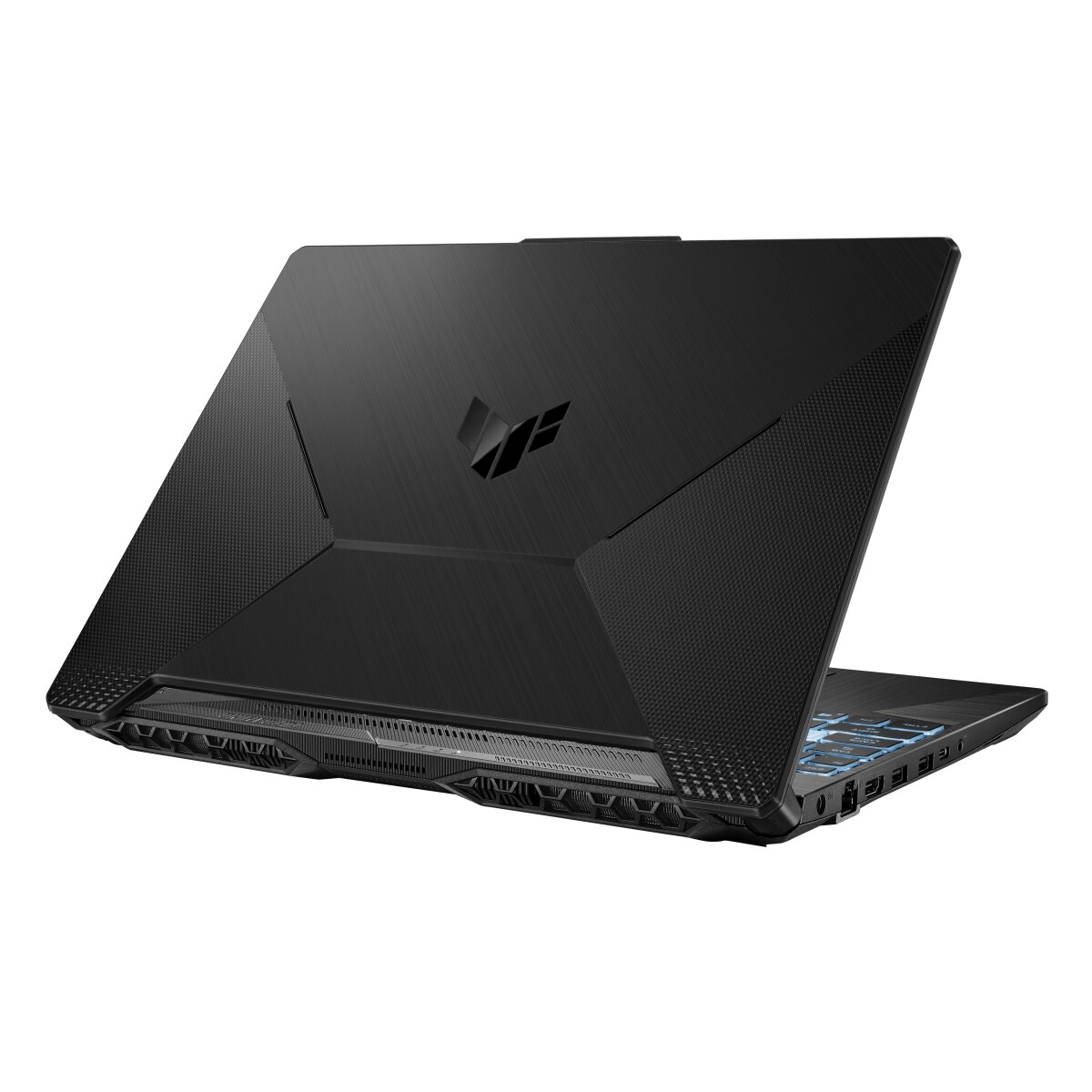
The ASUS TUF Gaming A15 FA506NCG-HN266-GAMING features DDR5-SDRAM memory upgrade specifications with two SO-DIMM slots supporting maximum RAM capacity of 64 GB. Compatible memory modules operate at 5600 MHz frequency. The laptop's memory upgrade slots accommodate standard SO-DIMM form factor DDR5 modules, enabling users to expand system memory beyond the factory configuration. Specifications support dual-channel memory architecture for optimized performance in gaming and professional applications.
Memory Upgrade Specifications
| Specification | Value |
|---|---|
| Memory slots | 2x SO-DIMM |
| Form factor | SO-DIMM |
| Memory type | DDR5-SDRAM |
| Frequency | 5600 MHz |
| Maximum RAM | 64 GB |
| Voltage | 1.1V |
| Number of pins | 262-pin |
| Interface | PC5 |
| PC Speed Rating | PC5-5600 (PC5-44800) |
| Bandwidth | 44.8 GB/s |
Additional Notes
- The presence of 2 SO-DIMM slots allows for a dual-channel memory configuration which doubles the theoretical bandwidth available to the processor compared to single-stick setups.
- Upgrading the ASUS TUF Gaming FA506NCG-HN266-GAMING to the maximum 64 GB capacity requires the physical replacement of both existing modules since no additional expansion slots are available.
- The DDR5-5600 architecture utilizes on-die Error Correction Code to improve system stability during high-intensity computational tasks and long-duration gaming sessions.
- Lower frequency modules will force the system bus to downclock to match the slowest installed component, creating a significant performance bottleneck in memory-sensitive applications.
- Storage of high-capacity 32 GB modules per slot increases the thermal density within the chassis, requiring the existing cooling solution to manage additional heat dissipation from the memory area.
- Integrated power management integrated circuits on the DDR5 modules shift voltage regulation from the motherboard to the RAM itself, reducing BIOS-level power delivery complexity during upgrades.
- Internal access for memory replacement entails removing the base panel, which demands caution to avoid damaging the specialized plastic clips and internal ribbon cables typical of this chassis series.