ASUS TUF Gaming FA506NCG-HN196W-GAMING RAM upgrade specifications



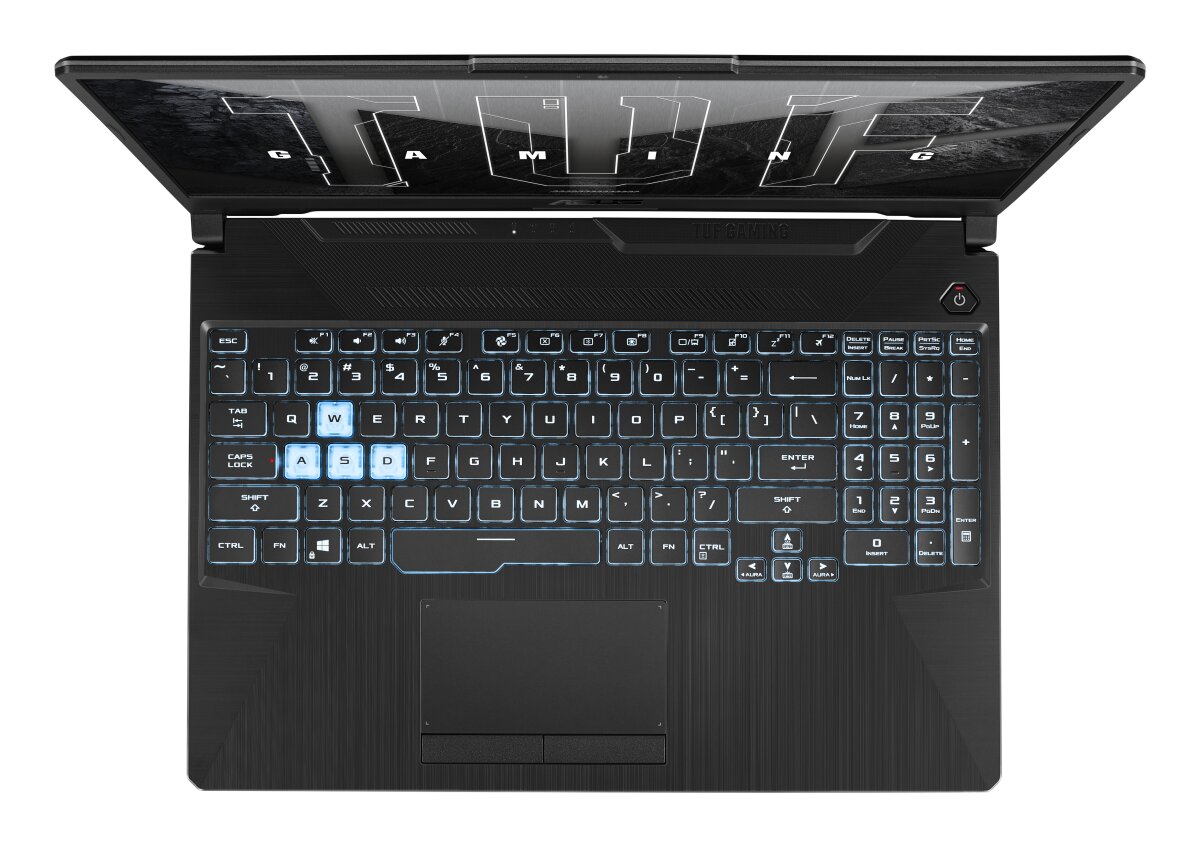
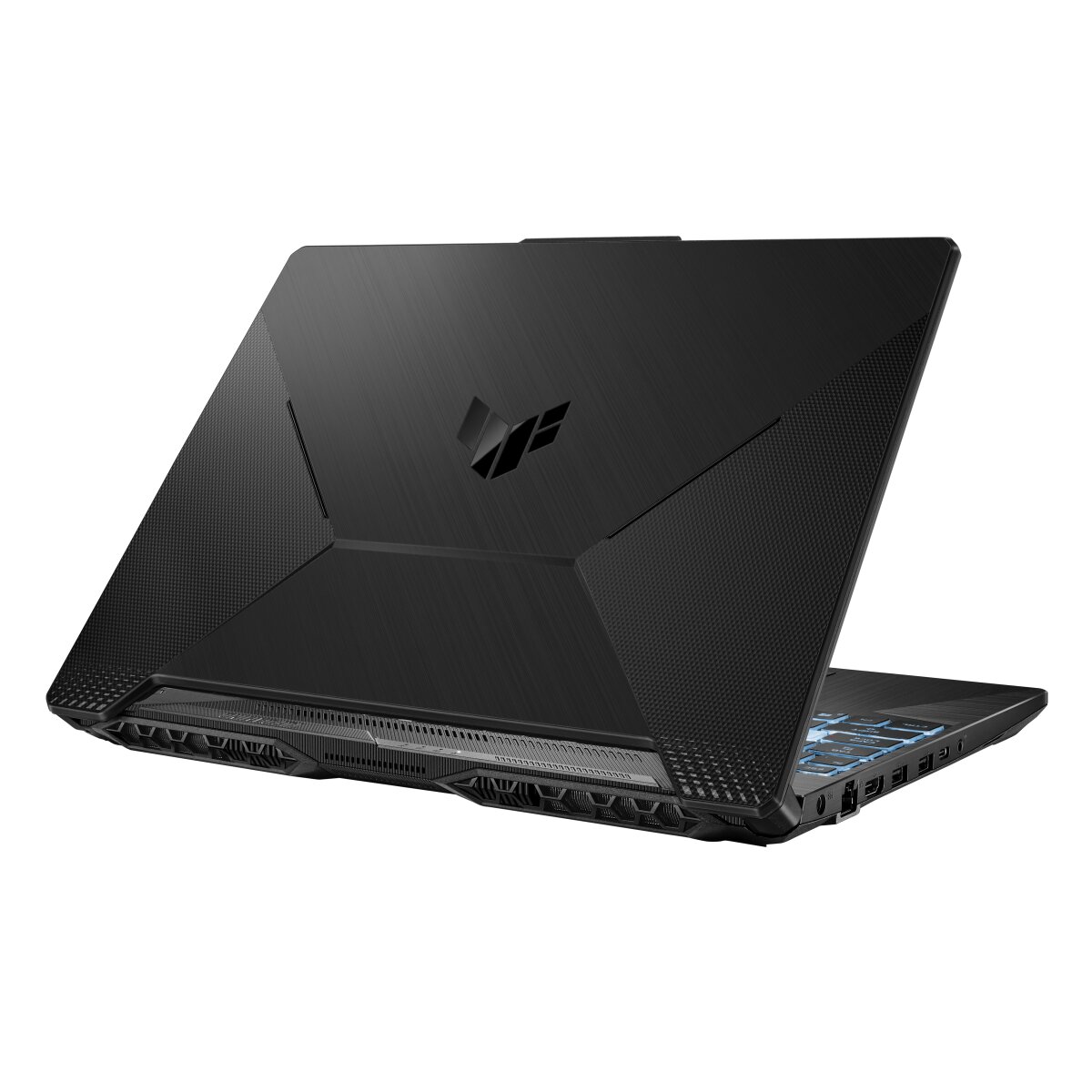
ASUS TUF Gaming A15 FA506NCG-HN196W-GAMING laptop features DDR5-SDRAM memory upgrade specifications. The system includes 2x SO-DIMM slots supporting maximum RAM capacity of 64 GB. Compatible memory modules operate at 5600 MHz frequency with SO-DIMM form factor. Specifications indicate DDR5 technology for enhanced performance and efficiency during RAM upgrade procedures on this gaming model.
Memory Upgrade Specifications
| Specification | Value |
|---|---|
| Memory slots | 2x SO-DIMM |
| Form factor | SO-DIMM |
| Memory type | DDR5-SDRAM |
| Frequency | 5600 MHz |
| Maximum RAM | 64 GB |
| Voltage | 1.1V |
| Number of pins | 262-pin |
| Interface | PC5 |
| PC Speed Rating | PC5-5600 (PC5-44800) |
| Bandwidth | 44.8 GB/s |
Additional Notes
- The ASUS TUF Gaming FA506NCG-HN196W-GAMING operates with DDR5 memory, which requires JEDEC compliance verification before purchasing third-party modules to avoid incompatibility with the motherboard's memory controller.
- SO-DIMM form factor limits upgrade options to laptop-specific modules; desktop DDR5 UDIMM modules cannot be physically inserted into the available slots regardless of electrical compatibility.
- The 2-slot configuration means maximum capacity of 64 GB is achievable only with 2x32 GB modules; single-module upgrades leave one slot vacant, preventing future dual-channel performance optimization without replacing the original module.
- DDR5-5600 MHz rated speed operates at JEDEC standard frequencies; modules rated above 5600 MHz will downclock to this specification and void any speed-related performance gains, making premium high-frequency variants economically inefficient for this platform.
- Dual-channel bandwidth from 2 populated slots at 5600 MHz generates approximately 89.6 GB/s theoretical throughput; populated single-slot configurations reduce bandwidth by 50 percent, creating potential bottlenecks in memory-intensive applications such as 3D rendering or large dataset processing.
- SO-DIMM modules generate elevated thermal output at 5600 MHz; passive airflow restrictions in compact laptop chassis may cause thermal throttling if aftermarket modules lack low-profile heatspreaders designed for confined spaces.
- Memory upgrades on this platform typically fall outside factory warranty coverage; installation by unauthorized personnel voids thermal management certifications and may disqualify damage claims if component failure occurs post-upgrade.