ASUS TUF Gaming FA506QM-HN035 RAM upgrade specifications



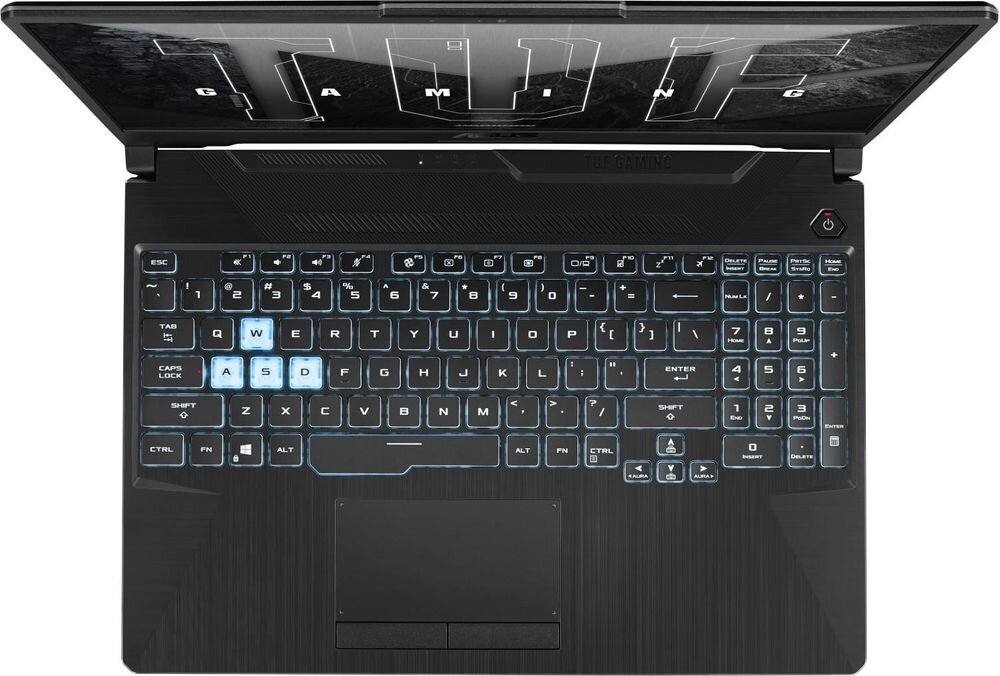
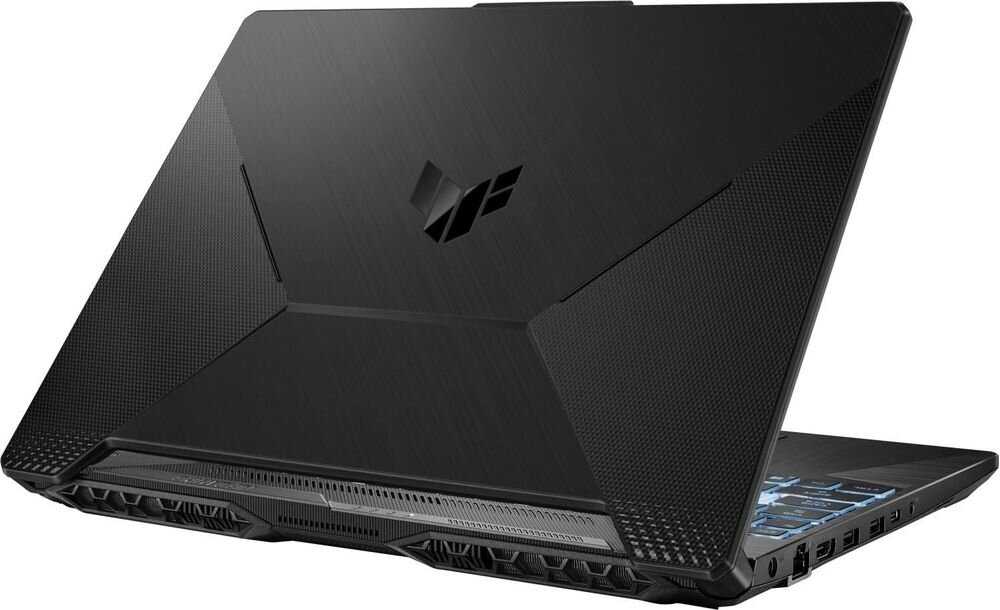
ASUS TUF Gaming A15 FA506QM-HN035 laptop RAM upgrade specifications include DDR4-SDRAM memory with two SO-DIMM slots for maximum capacity of 32 GB. Compatible memory modules operate at 3200 MHz frequency. Upgrade slots support DDR4 technology with SO-DIMM form factor configuration. Maximum memory capacity reaches 32 GB total when both RAM slots are populated with compatible modules.
Memory Upgrade Specifications
| Specification | Value |
|---|---|
| Memory slots | 2x SO-DIMM |
| Form factor | SO-DIMM |
| Memory type | DDR4-SDRAM |
| Frequency | 3200 MHz |
| Maximum RAM | 32 GB |
| Voltage | 1.2V |
| Number of pins | 260-pin |
| Interface | PC4 |
| PC Speed Rating | PC4-3200 (PC4-25600) |
| Bandwidth | 25.6 GB/s |
| Laptop Release date | 31 January 2022 |
Additional Notes
- The ASUS TUF Gaming FA506QM-HN035 supports only DDR4 technology, which means DDR5 modules cannot be installed regardless of physical adapter attempts, as the memory controller and BIOS firmware are hardwired for DDR4 signaling protocols.
- SO-DIMM slots impose a strict 32 GB ceiling for total system memory; this constraint cannot be bypassed through firmware updates or BIOS modifications, as the limitation is determined by the memory controller's address bus width.
- The 2-slot architecture requires full occupancy decisions to be made during a single upgrade event; removing existing memory to install larger capacity modules will create a brief period of system incompleteness if sequential installation is attempted.
- 3200 MHz rated frequency assumes proper JEDEC profile support in BIOS; mixing different memory brands or speeds may cause the controller to downclock all modules to the slowest detected frequency, reducing bandwidth to roughly the speed of the slower module.
- SO-DIMM form factor restricts module selection to laptop-specific inventory; desktop DDR4 components (UDIMM type) are physically incompatible and cannot fit into the available slots.
- Warranty coverage remains intact only when using memory modules that meet ASUS specifications for this model; third-party modules that are outside official compatibility lists may void coverage if stability issues arise.
- The dual-channel configuration requires matched or symmetrical capacity pairing to maintain optimal memory bandwidth; installing a single 16 GB module alongside an 8 GB module will result in asymmetrical access patterns that degrade performance relative to symmetrical 16+16 GB configurations.