ASUS TUF Gaming FA506QM-HN080W RAM upgrade specifications
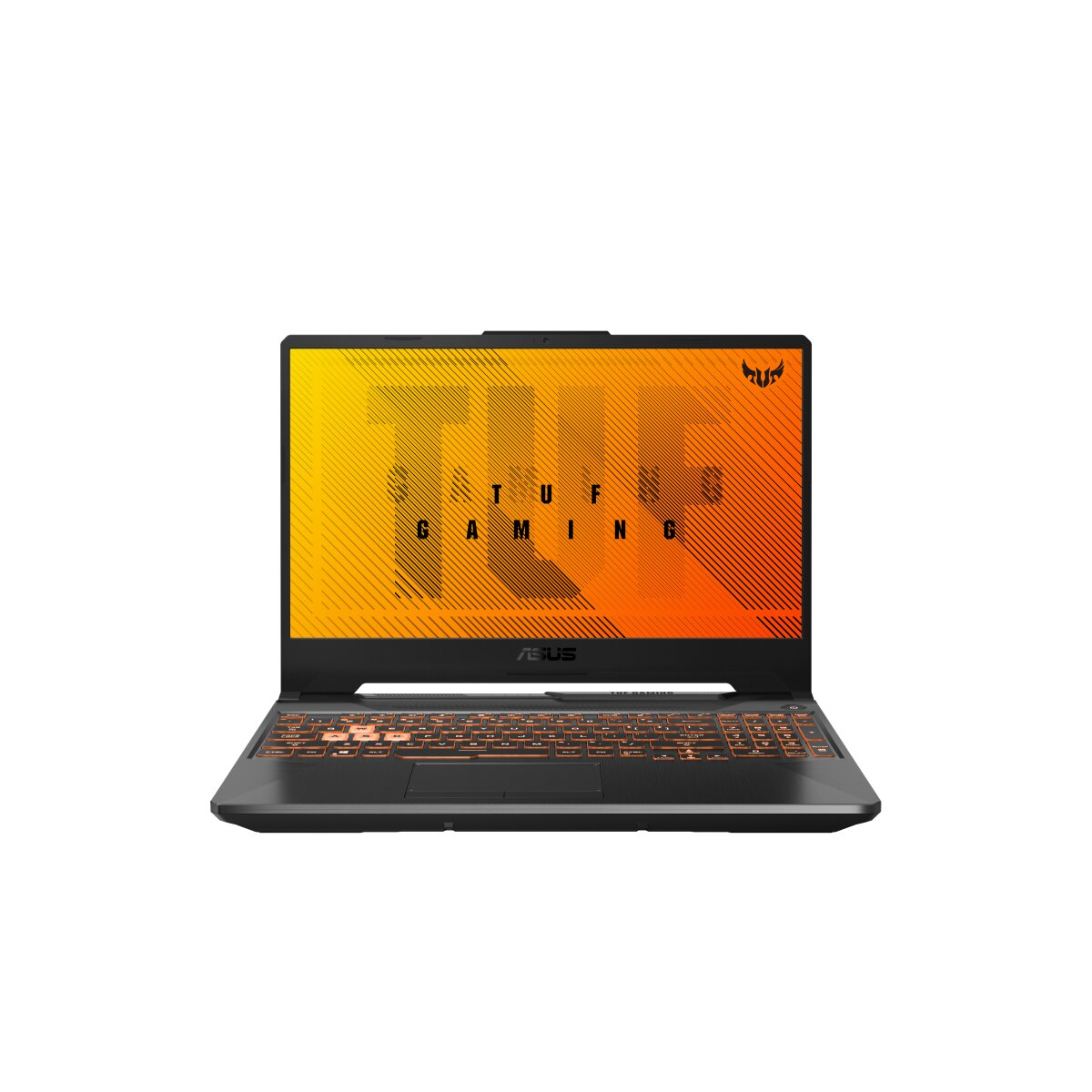
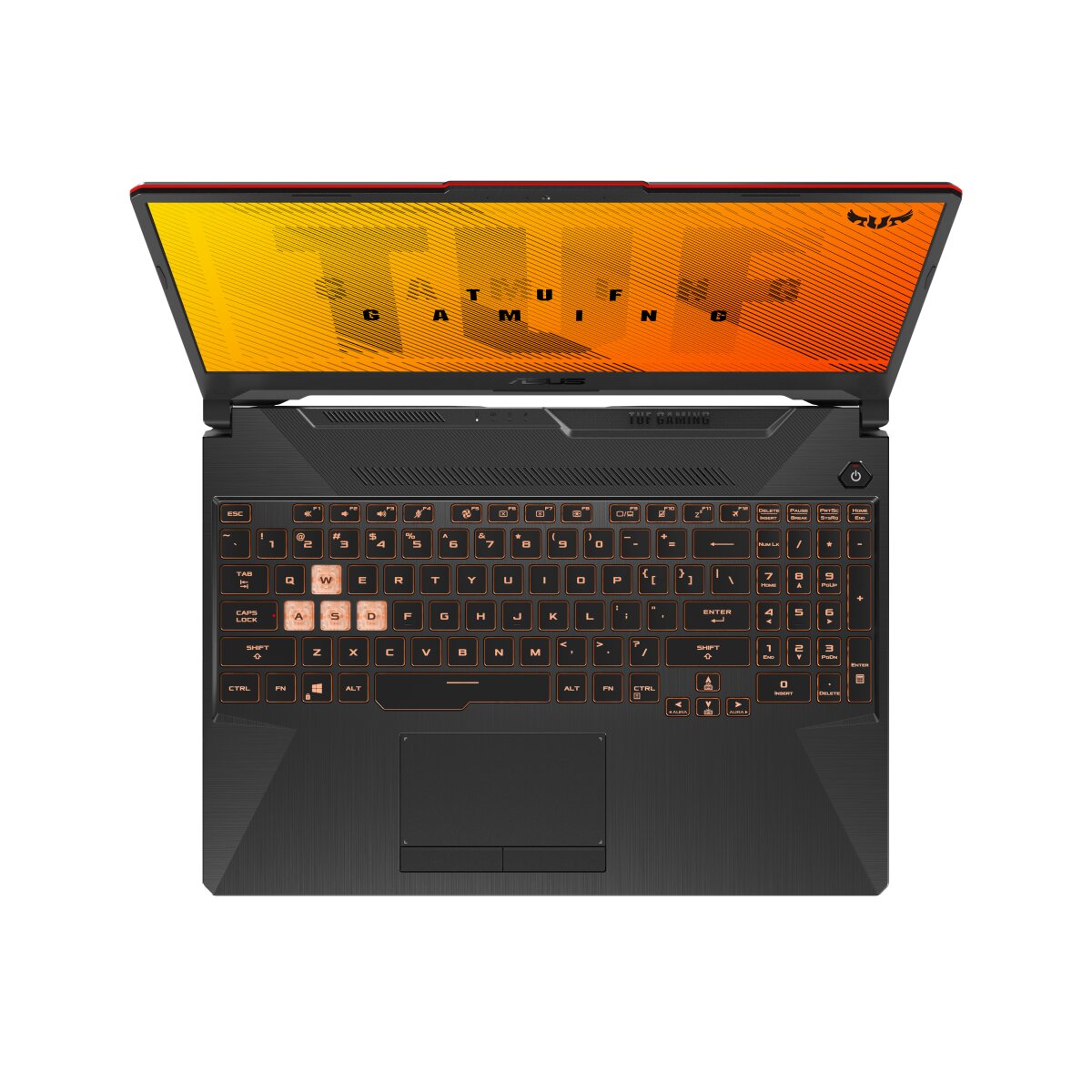

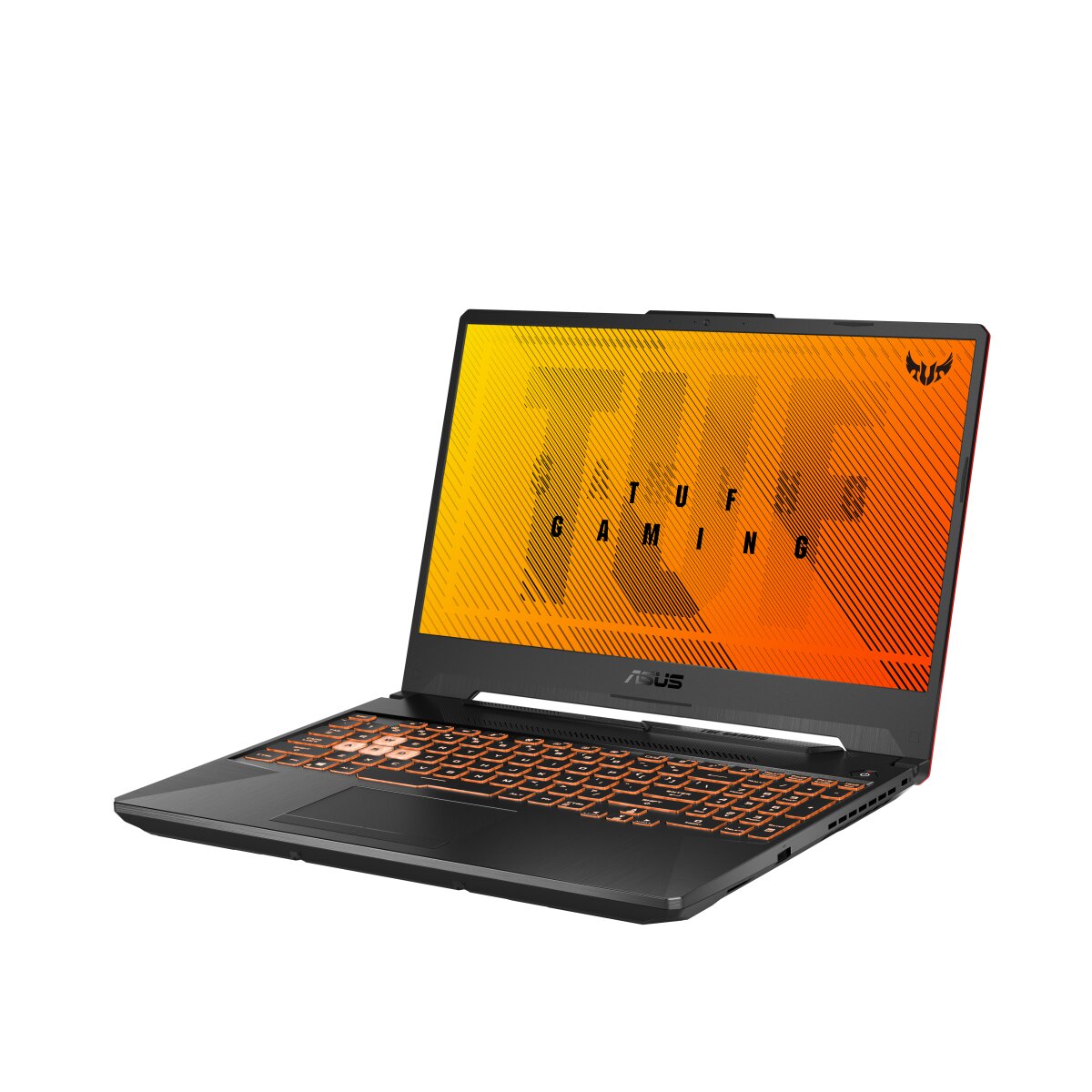
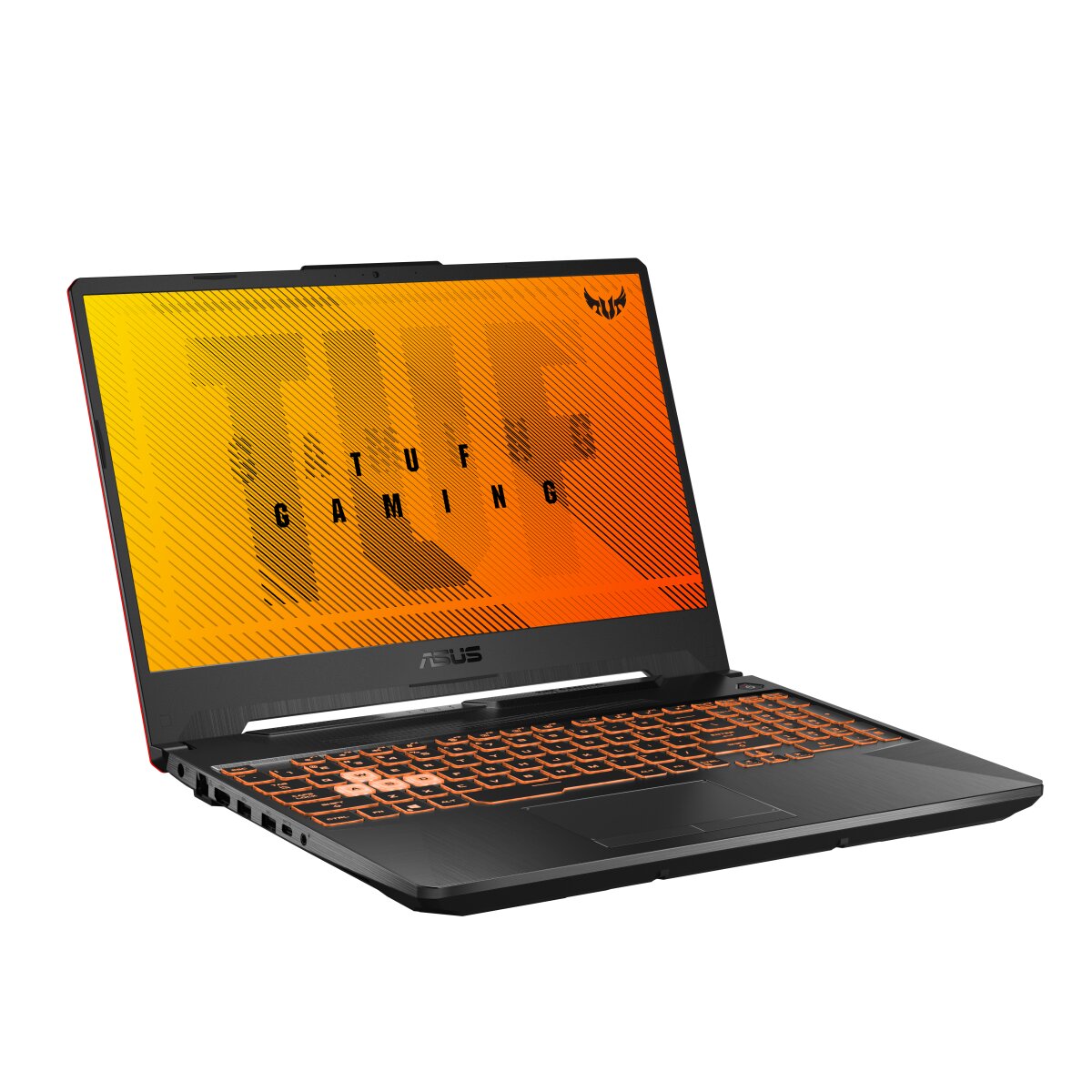
The ASUS TUF Gaming A15 FA506QM-HN080W features two SO-DIMM slots supporting DDR4-SDRAM memory upgrades. Maximum RAM capacity reaches 32 GB, with compatible modules operating at 3200 MHz frequency. The laptop specifications allow for memory expansion using standard SO-DIMM form factor DDR4 modules, enabling users to upgrade the system to its full 32 GB maximum RAM configuration through compatible memory slot expansion.
Memory Upgrade Specifications
| Specification | Value |
|---|---|
| Memory slots | 2x SO-DIMM |
| Form factor | SO-DIMM |
| Memory type | DDR4-SDRAM |
| Frequency | 3200 MHz |
| Maximum RAM | 32 GB |
| Voltage | 1.2V |
| Number of pins | 260-pin |
| Interface | PC4 |
| PC Speed Rating | PC4-3200 (PC4-25600) |
| Bandwidth | 25.6 GB/s |
Additional Notes
- The ASUS TUF Gaming FA506QM-HN080W accepts standard laptop DDR4 SO-DIMM modules, ruling out desktop DIMM or older DDR3 variants that share similar physical dimensions but incompatible notch positions.
- The 32 GB maximum capacity translates to a 16 GB per slot limitation, preventing the use of higher-density 32 GB modules even if both slots remain physically accessible.
- The 3200 MHz specification represents the supported JEDEC standard speed, though the actual operating frequency depends on CPU memory controller capabilities and may default to lower speeds without XMP profile activation in BIOS.
- Dual SO-DIMM configuration enables dual-channel memory architecture when matched modules occupy both slots, effectively doubling memory bandwidth compared to single-channel operation with one populated slot.
- Mixing modules with different frequencies forces all installed memory to operate at the speed of the slowest module, creating a performance bottleneck if pairing 3200 MHz with lower-rated DDR4.
- SO-DIMM installation typically requires bottom panel removal and may void warranty seals depending on regional consumer protection laws and manufacturer service policies.
- Non-ECC unbuffered modules remain the only compatible type for this consumer-grade platform, as registered or error-correcting memory variants target server applications with different electrical specifications.
- Voltage requirements default to DDR4 standard 1.2V operation, while low-voltage 1.35V modules may cause POST failures or system instability despite physical compatibility.
- CAS latency variations between CL16, CL18, and CL22 modules at 3200 MHz affect real-world memory access times, with tighter timings reducing latency despite identical clock speeds.
- Asymmetric capacity configurations such as 8 GB plus 16 GB modules allow dual-channel mode only for the matched portion, reverting the excess capacity to slower single-channel access.