ASUS TUF Gaming FA506QM-R75B36PS1 RAM upgrade specifications


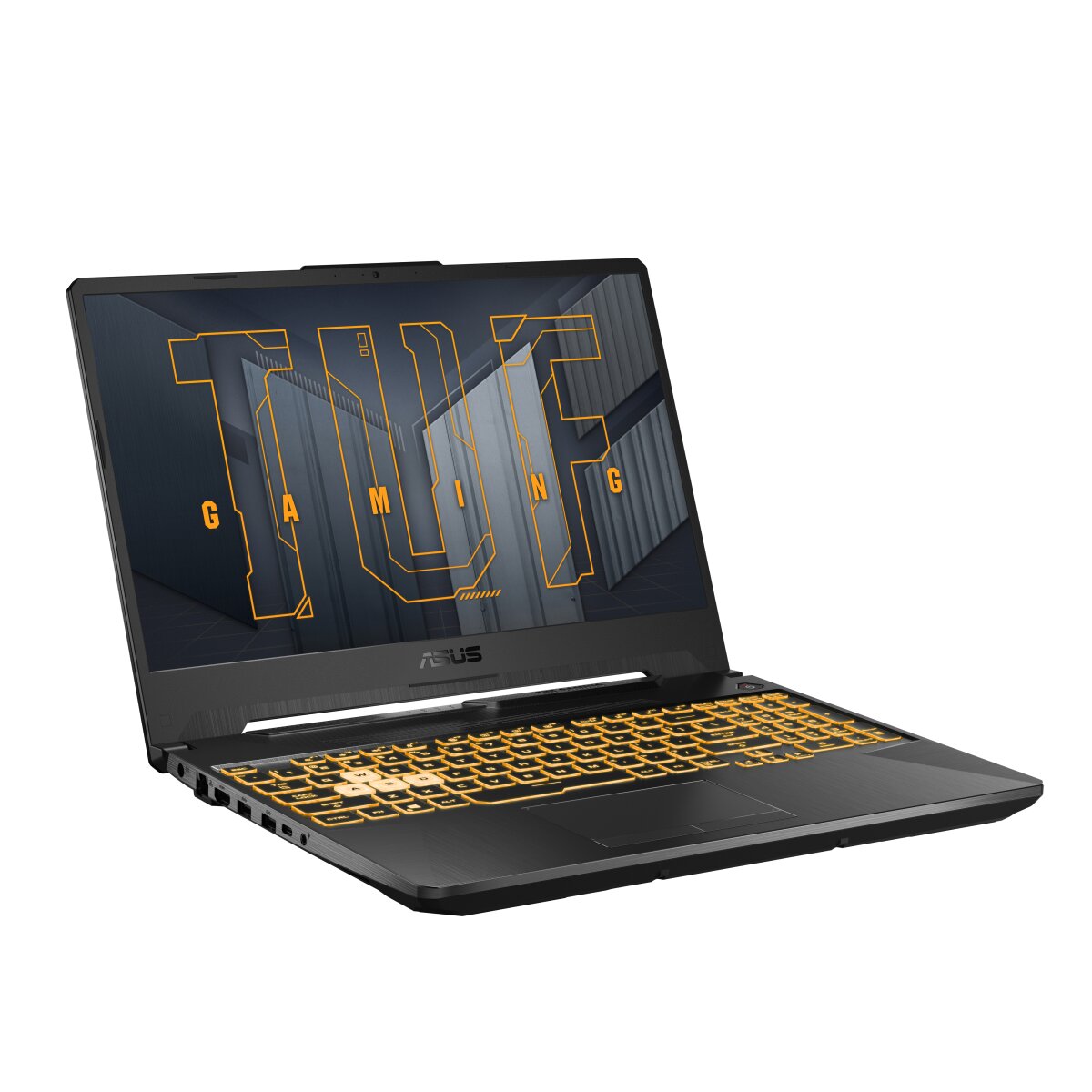
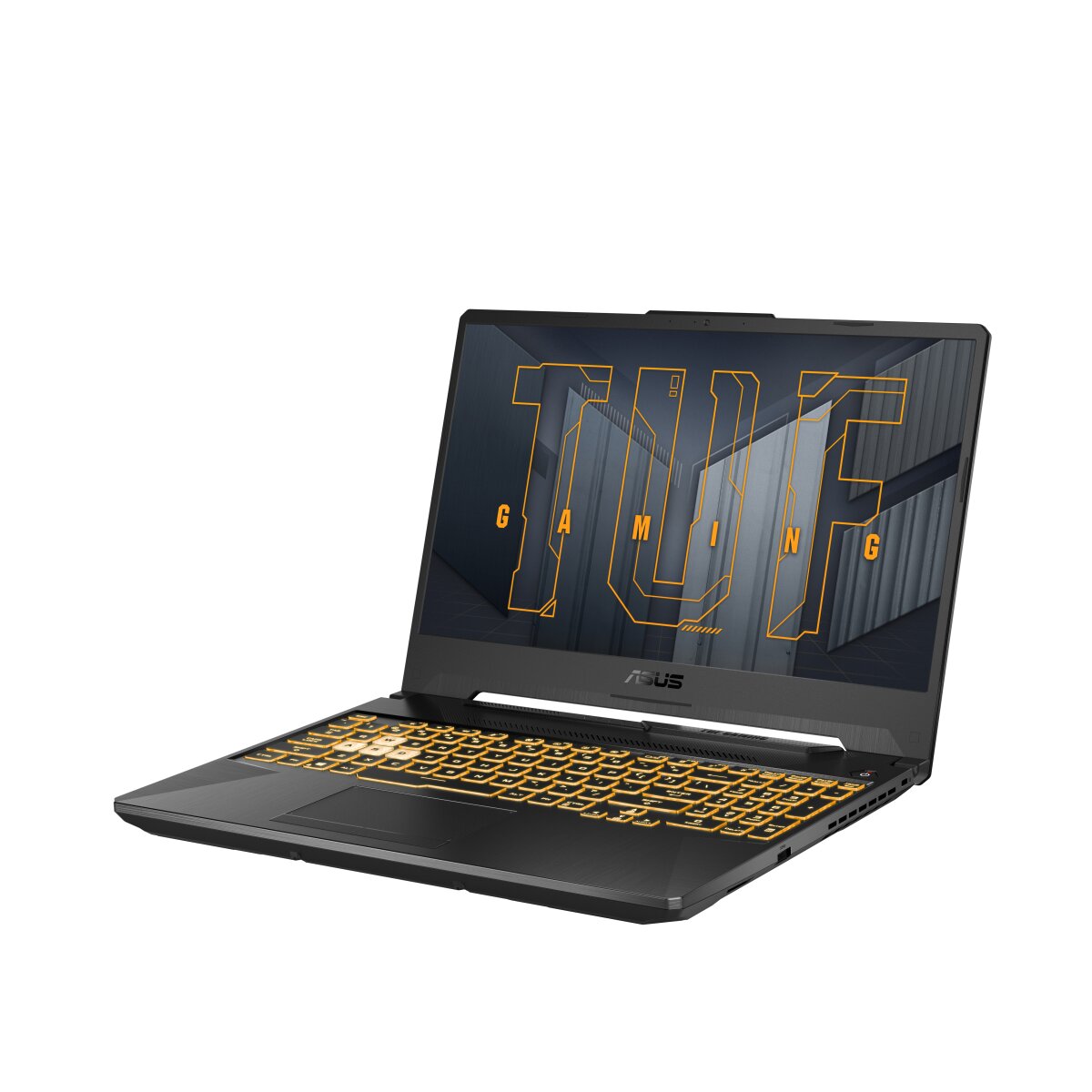
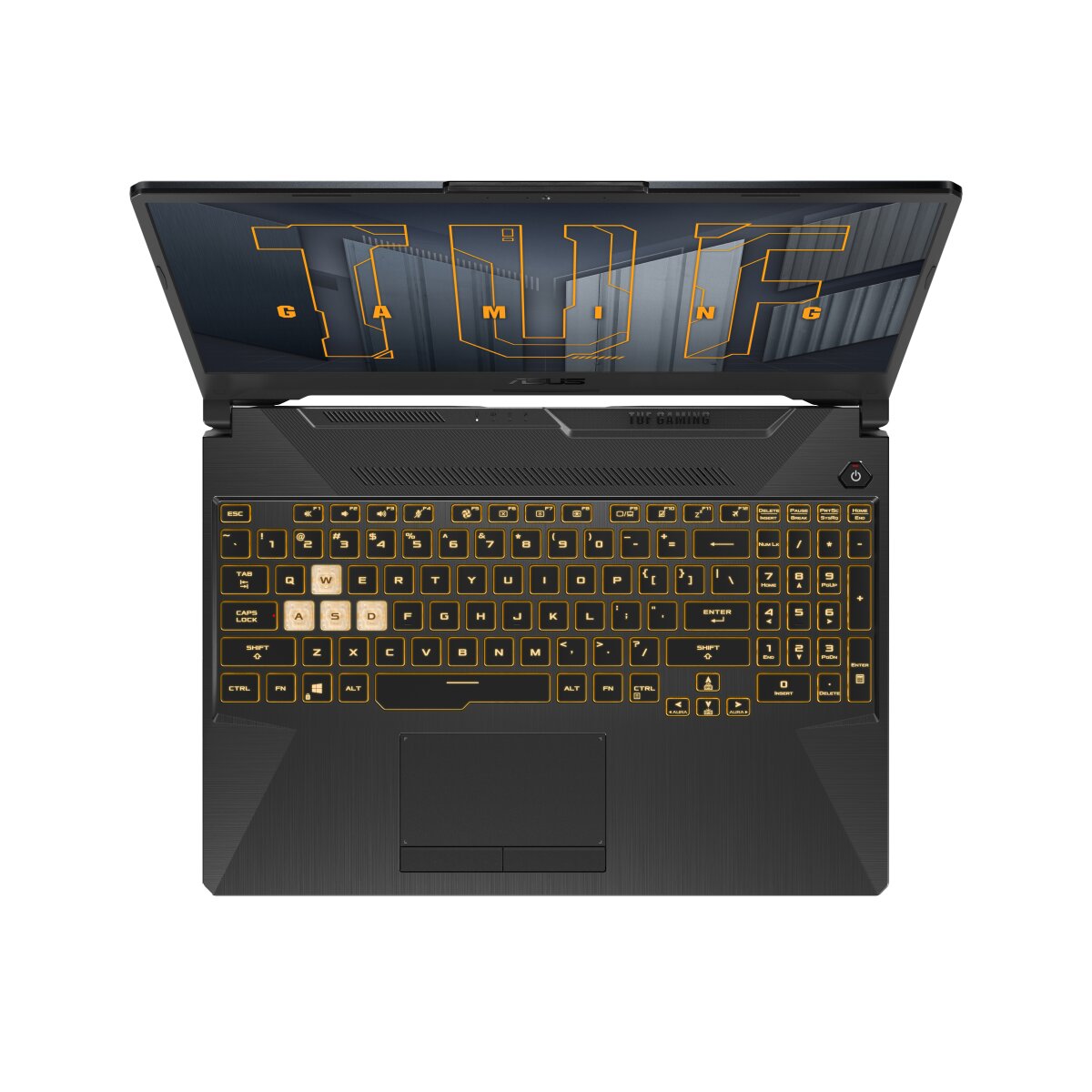
ASUS TUF Gaming A15 FA506QM-R75B36PS1 laptop features DDR4-SDRAM memory configuration with two SO-DIMM slots supporting maximum capacity of 32 GB RAM. Memory upgrade specifications indicate 3200 MHz frequency support for compatible DDR4 modules. The upgrade slots accommodate SO-DIMM form factor memory sticks, enabling users to expand system RAM from factory configuration to maximum 32 GB total capacity. Specifications confirm DDR4 memory compatibility and SO-DIMM slot configuration for the FA506QM-R75B36PS1 model.
Memory Upgrade Specifications
| Specification | Value |
|---|---|
| Memory slots | 2x SO-DIMM |
| Form factor | SO-DIMM |
| Memory type | DDR4-SDRAM |
| Frequency | 3200 MHz |
| Maximum RAM | 32 GB |
| Voltage | 1.2V |
| Number of pins | 260-pin |
| Interface | PC4 |
| PC Speed Rating | PC4-3200 (PC4-25600) |
| Bandwidth | 25.6 GB/s |
Additional Notes
- The ASUS TUF Gaming FA506QM-R75B36PS1 requires 260-pin SO-DIMM modules rather than standard desktop DIMM modules, which are physically incompatible with the laptop's memory slots.
- The 32 GB maximum capacity constraint allows for a 2x16 GB dual-channel configuration but prevents the use of higher-density 32 GB modules, limiting future expansion beyond this threshold.
- DDR4-3200 represents the native JEDEC speed for this system, meaning modules rated at higher frequencies such as 3600 MHz or 4000 MHz will downclock to 3200 MHz without providing additional performance benefits.
- Dual-channel architecture requires matching module capacities across both slots to achieve optimal memory bandwidth, as asymmetric configurations will force single-channel operation for the excess capacity on the larger module.
- Memory modules with non-standard XMP profiles may fail to operate reliably in this system, as laptop BIOS implementations typically lack manual timing adjustment capabilities available in desktop platforms.
- The SO-DIMM form factor imposes height restrictions, making modules with oversized heat spreaders or RGB lighting assemblies physically incompatible with the chassis clearance tolerances.
- Mixing modules with different CAS latencies or timings across the 2 slots will force both modules to operate at the slower timing specification, potentially degrading performance compared to matched pairs.
- Non-ECC unbuffered modules are required for compatibility, as ECC or registered memory types will either fail to initialize or cause boot failures in consumer laptop chipsets.
- The 3200 MHz frequency specification implies support for JEDEC standard voltage of 1.2V, while modules requiring 1.35V or higher may cause thermal issues or system instability in the laptop's power delivery design.
- Access to the memory slots typically requires complete bottom panel removal, which may involve breaking factory seals that could affect warranty coverage depending on regional service policies.