ASUS TUF Gaming FA506QR-AZ001 RAM upgrade specifications

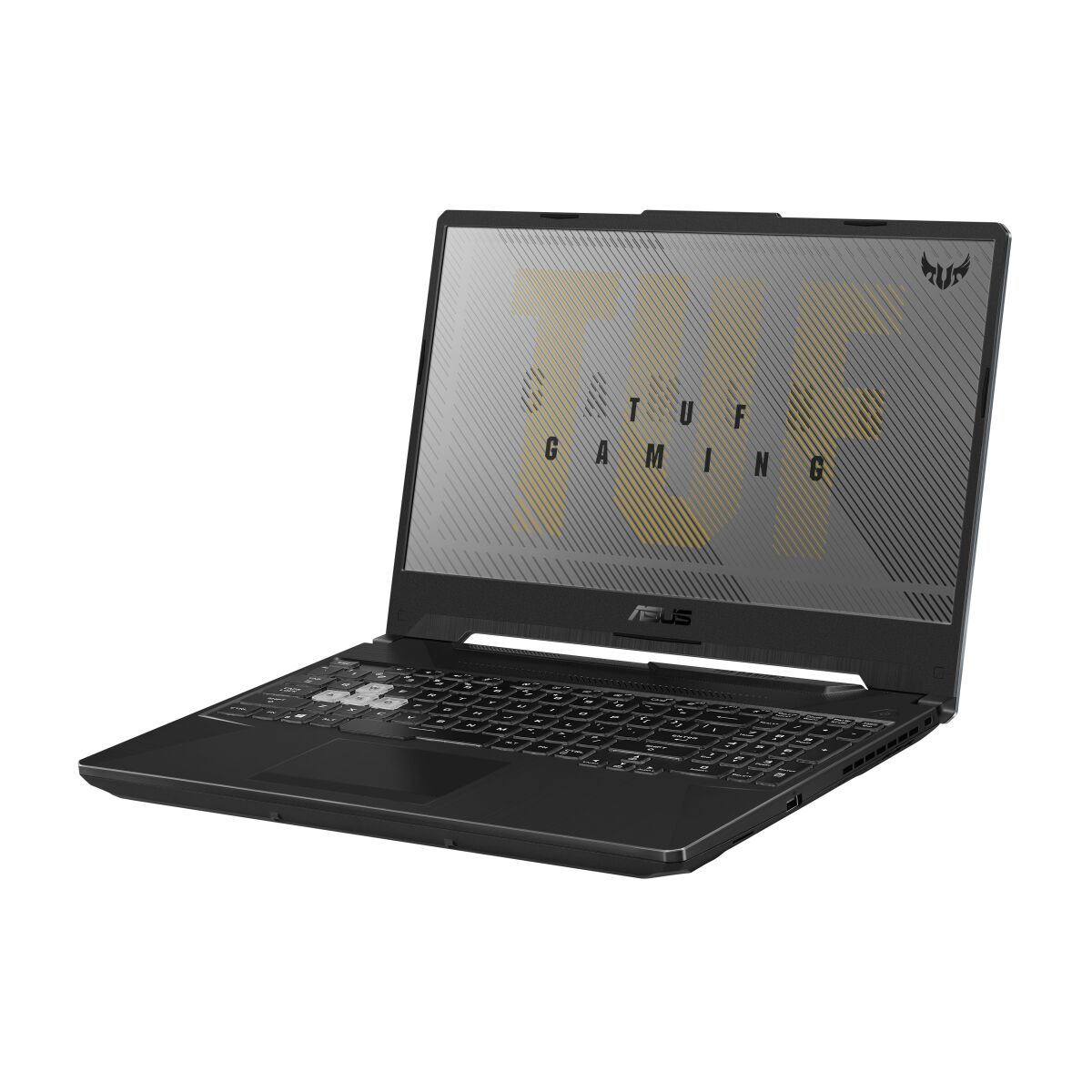
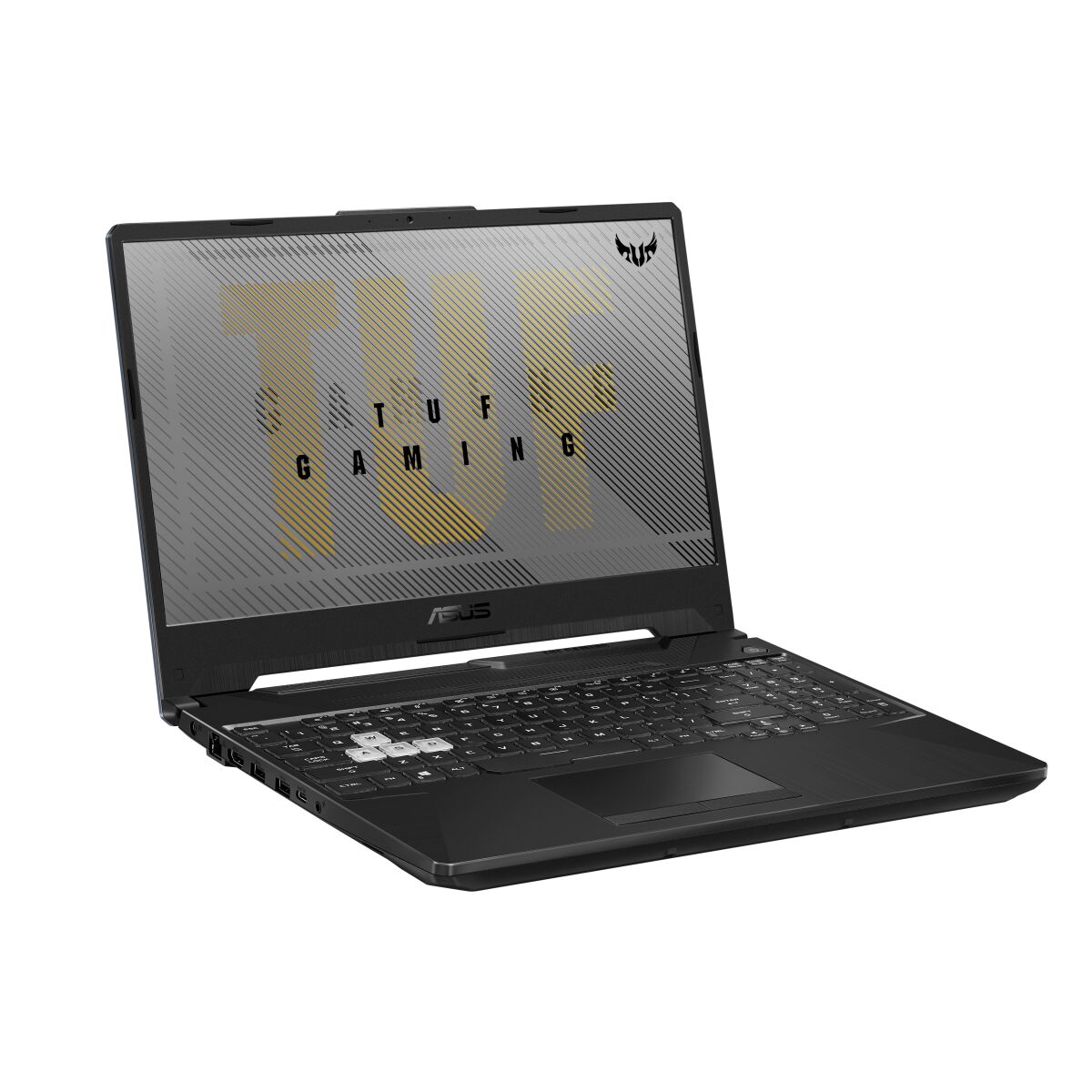
ASUS TUF Gaming A15 FA506QR-AZ001 RAM upgrade specifications include two SO-DIMM slots supporting DDR4-SDRAM memory. Maximum RAM capacity reaches 32 GB total, with compatible modules operating at 3200 MHz frequency. Upgrade configurations support SO-DIMM form factor memory modules. Specifications enable expanded memory capacity for enhanced multitasking and performance optimization on the FA506QR-AZ001 laptop model.
Memory Upgrade Specifications
| Specification | Value |
|---|---|
| Memory slots | 2x SO-DIMM |
| Form factor | SO-DIMM |
| Memory type | DDR4-SDRAM |
| Frequency | 3200 MHz |
| Maximum RAM | 32 GB |
| Voltage | 1.2V |
| Number of pins | 260-pin |
| Interface | PC4 |
| PC Speed Rating | PC4-3200 (PC4-25600) |
| Bandwidth | 25.6 GB/s |
| Laptop Release date | 13 January 2021 |
Additional Notes
- The absence of soldered memory on the ASUS TUF Gaming FA506QR-AZ001 motherboard ensures that the entire system memory remains replaceable in the event of a module failure.
- Operating at the maximum supported capacity requires the installation of 16 GB modules in both slots to utilize dual-channel bandwidth benefits for the integrated graphics processor.
- High performance latency is optimized by selecting kits that support JEDEC 3200 MHz profiles rather than XMP to avoid automatic downclocking to 2666 MHz or 2400 MHz due to BIOS limitations.
- Physical installation is limited to 1.2V modules because the hardware configuration does not provide the voltage adjustments necessary for high voltage overclocked memory.
- Thermal constraints within the compact SO-DIMM area suggest that adding thick aftermarket heat spreaders may interfere with the chassis bottom cover or impede airflow to surrounding components.
- Total memory bandwidth is capped by the DDR4 interface which creates a predictable performance ceiling for data intensive applications compared to newer DDR5 standards.
- Upgrading to the 32 GB threshold requires removing any existing factory modules because the dual slot architecture lacks additional expansion ports for incremental capacity increases.