ASUS TUF Gaming FA506QR-AZ001T RAM upgrade specifications

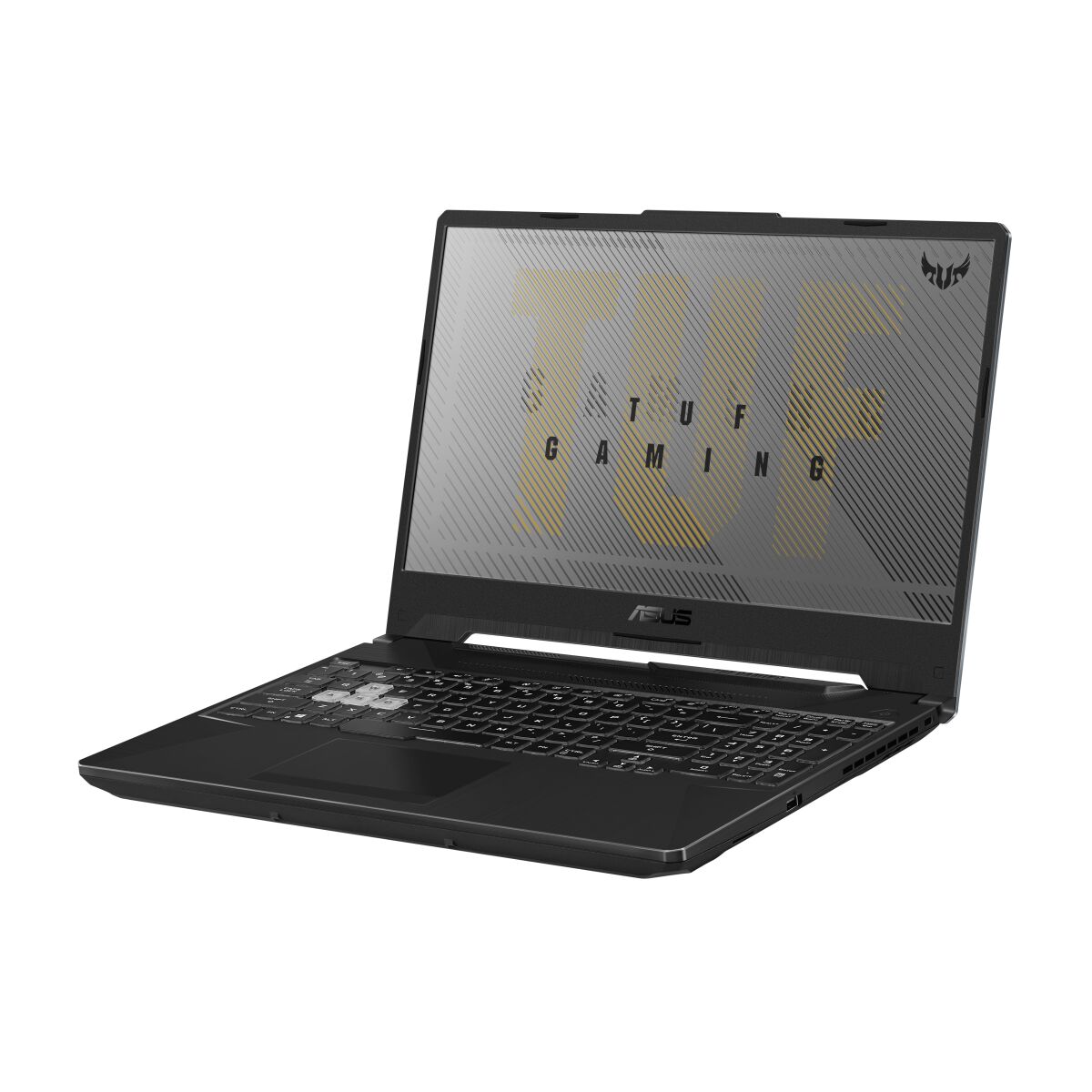
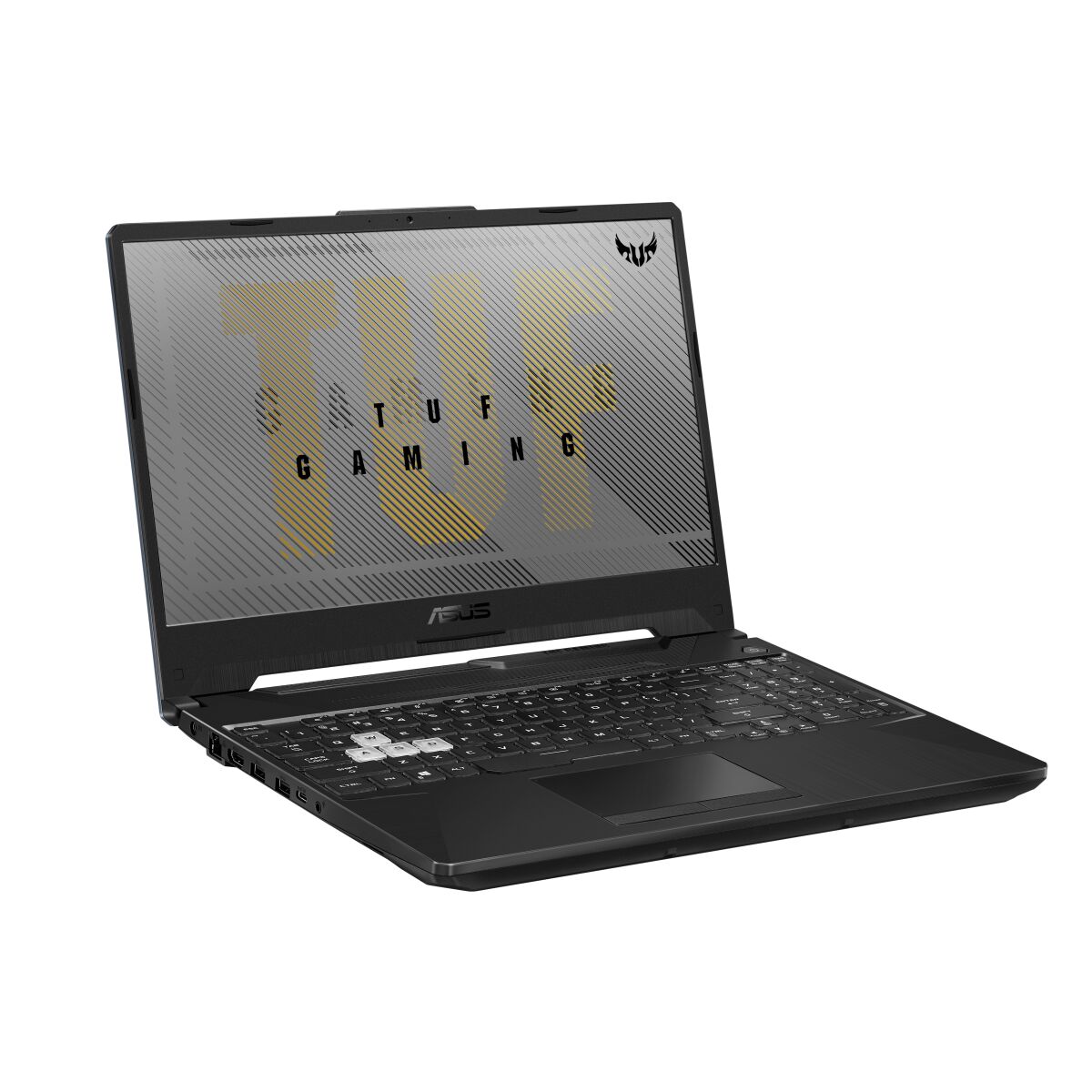
ASUS TUF Gaming A15 FA506QR-AZ001T RAM upgrade specifications include two SO-DIMM slots supporting DDR4-SDRAM memory. Maximum memory capacity reaches 32 GB total. Compatible memory modules operate at 3200 MHz frequency. Upgrade options allow installation of DDR4 SO-DIMM modules in available slots to expand system memory beyond original specifications. DDR4-3200 memory remains the specified standard for this laptop model.
Memory Upgrade Specifications
| Specification | Value |
|---|---|
| Memory slots | 2x SO-DIMM |
| Form factor | SO-DIMM |
| Memory type | DDR4-SDRAM |
| Frequency | 3200 MHz |
| Maximum RAM | 32 GB |
| Voltage | 1.2V |
| Number of pins | 260-pin |
| Interface | PC4 |
| PC Speed Rating | PC4-3200 (PC4-25600) |
| Bandwidth | 25.6 GB/s |
| Laptop Release date | 13 January 2021 |
Additional Notes
- The ASUS TUF Gaming FA506QR-AZ001T requires DDR4 modules operating at 3200 MHz, meaning lower frequency modules will underclock and higher frequency modules will not provide additional performance beyond this threshold.
- Both memory slots accept SO-DIMM form factor exclusively, which eliminates compatibility with standard desktop DIMM modules despite matching DDR4 specifications.
- The 32 GB ceiling translates to a maximum configuration of 2x 16 GB modules, preventing users from installing higher capacity modules such as 2x 32 GB even if such SO-DIMM modules become available.
- Dual-channel operation requires matching module capacities in both slots, as asymmetric configurations may force single-channel mode and reduce memory bandwidth by approximately 50 percent.
- Upgrading to the maximum capacity while maintaining dual-channel performance necessitates replacing both modules rather than adding a single module to one slot.
- The 3200 MHz frequency specification indicates JEDEC standard timings rather than XMP profiles, as SO-DIMM modules typically do not support overclocking in laptop environments.
- Installation requires accessing the bottom panel of the chassis, which may involve removing multiple screws and potentially voiding warranty seals depending on regional warranty policies.
- Mixing modules with different latency timings will force all memory to operate at the slower timing values, potentially degrading performance even when frequency matches.
- The DDR4 voltage standard of 1.2V must be maintained, as higher voltage modules designed for desktop overclocking may cause thermal issues or system instability in laptop thermal envelopes.
- Memory bandwidth peaks at 51.2 GB/s in dual-channel mode at 3200 MHz, which may bottleneck GPU performance if paired with high-end discrete graphics cards during VRAM overflow scenarios.