ASUS TUF Gaming FA507NU-LP031 RAM upgrade specifications
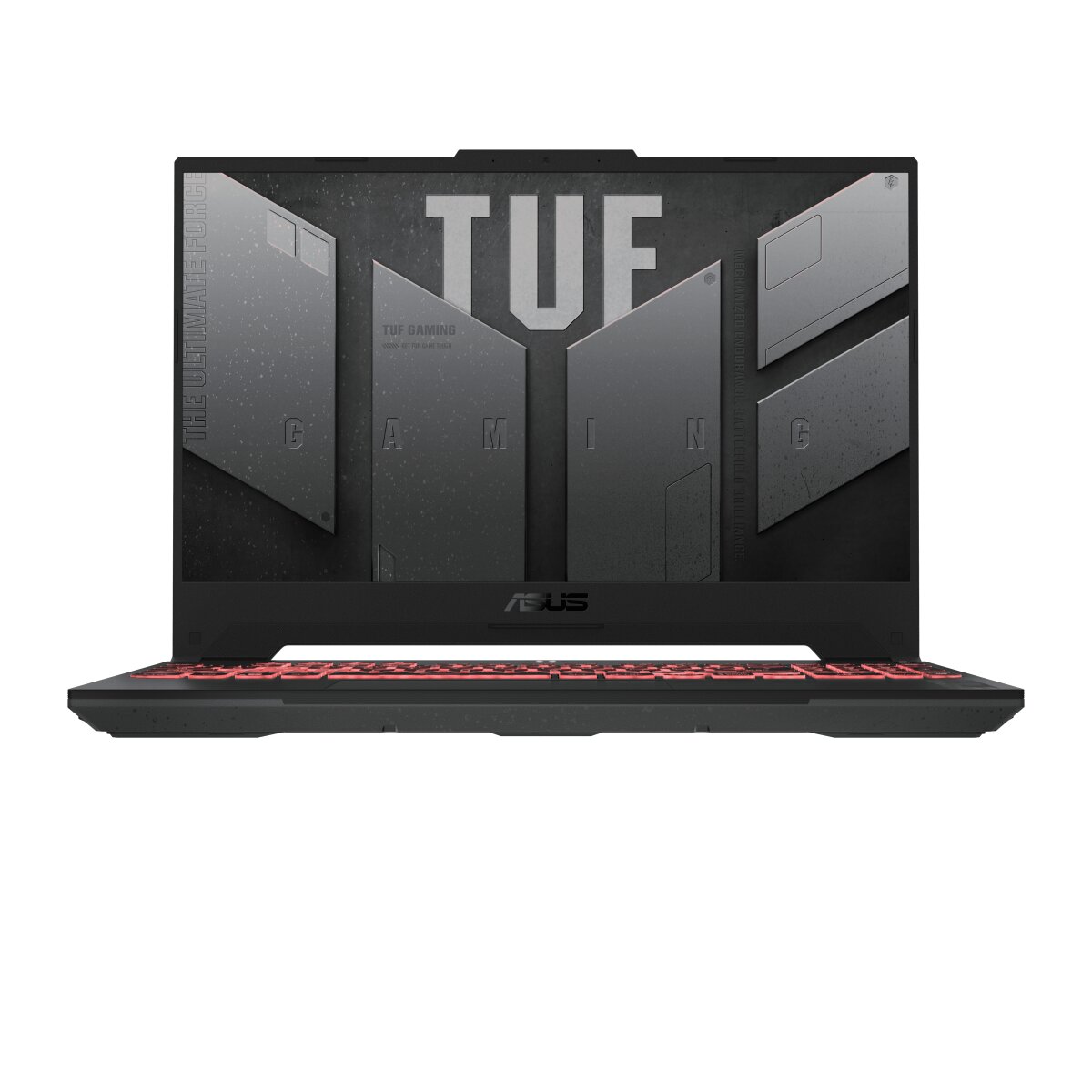
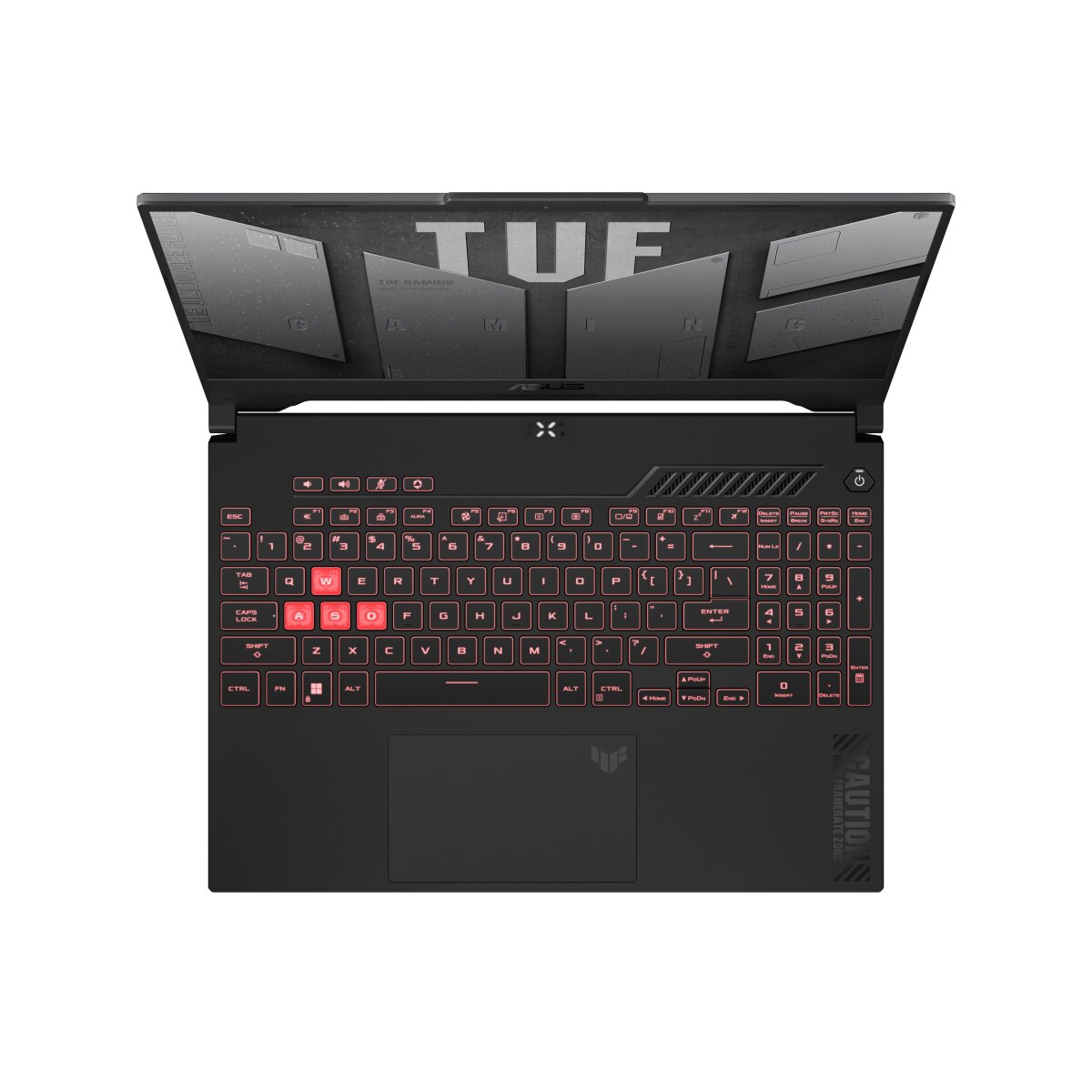
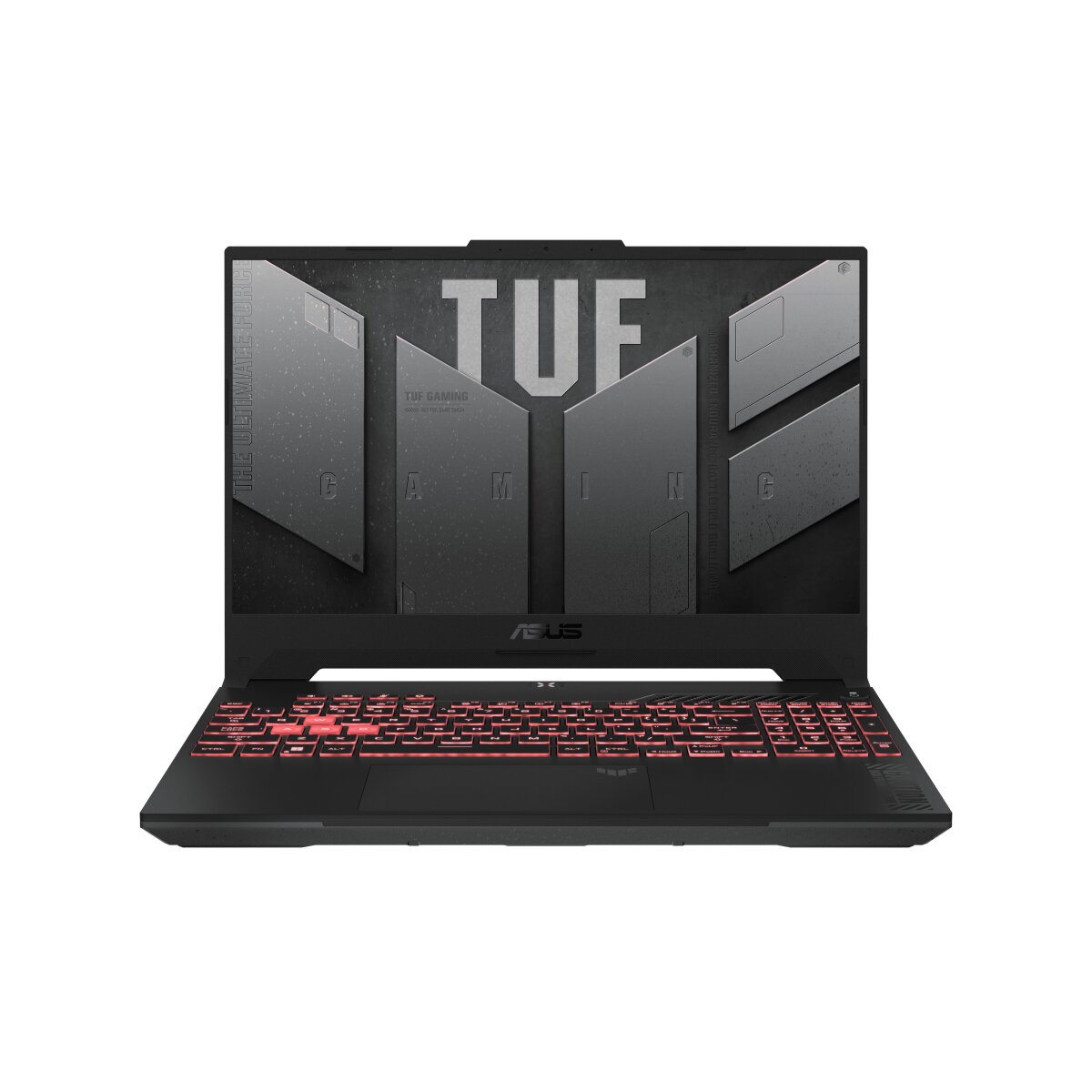
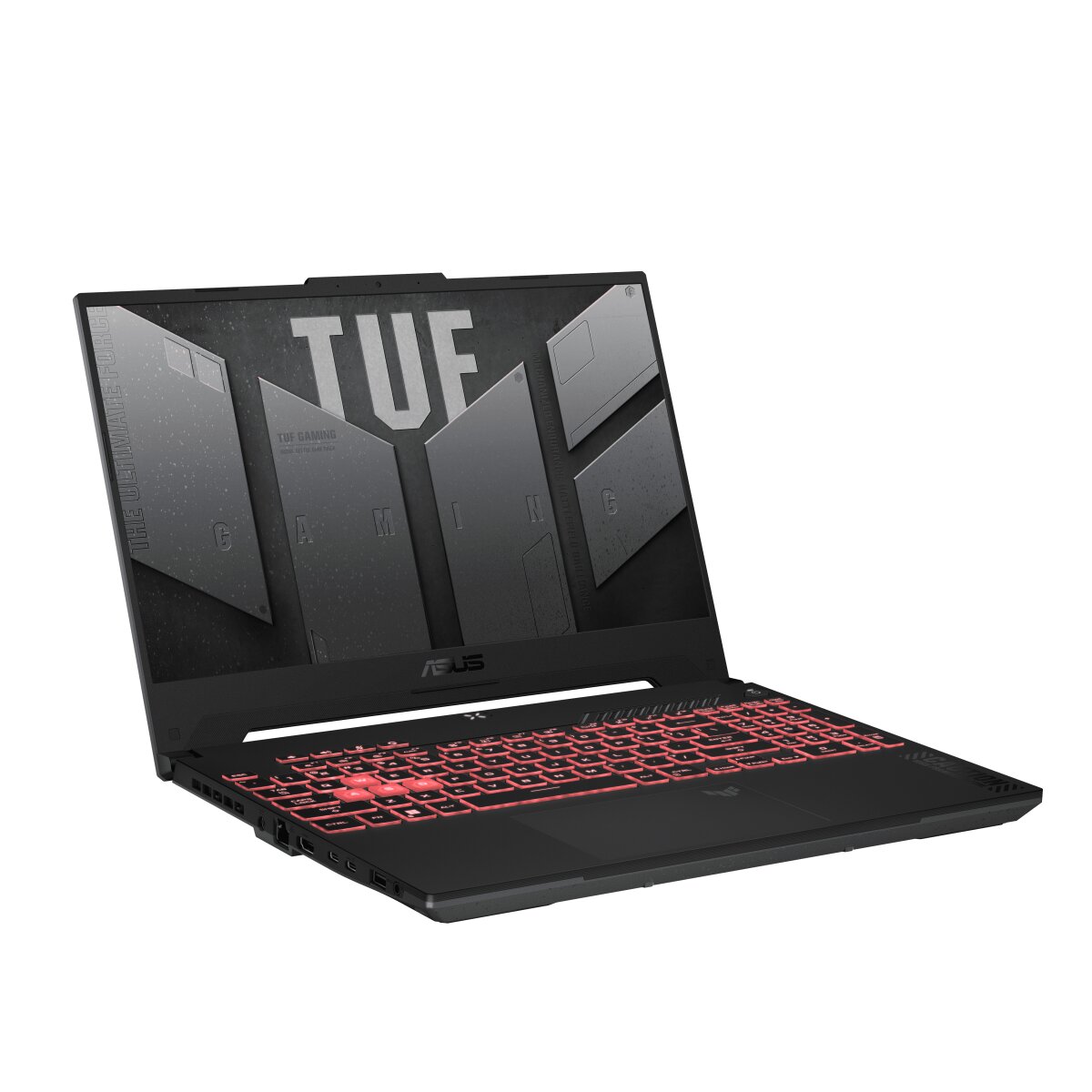
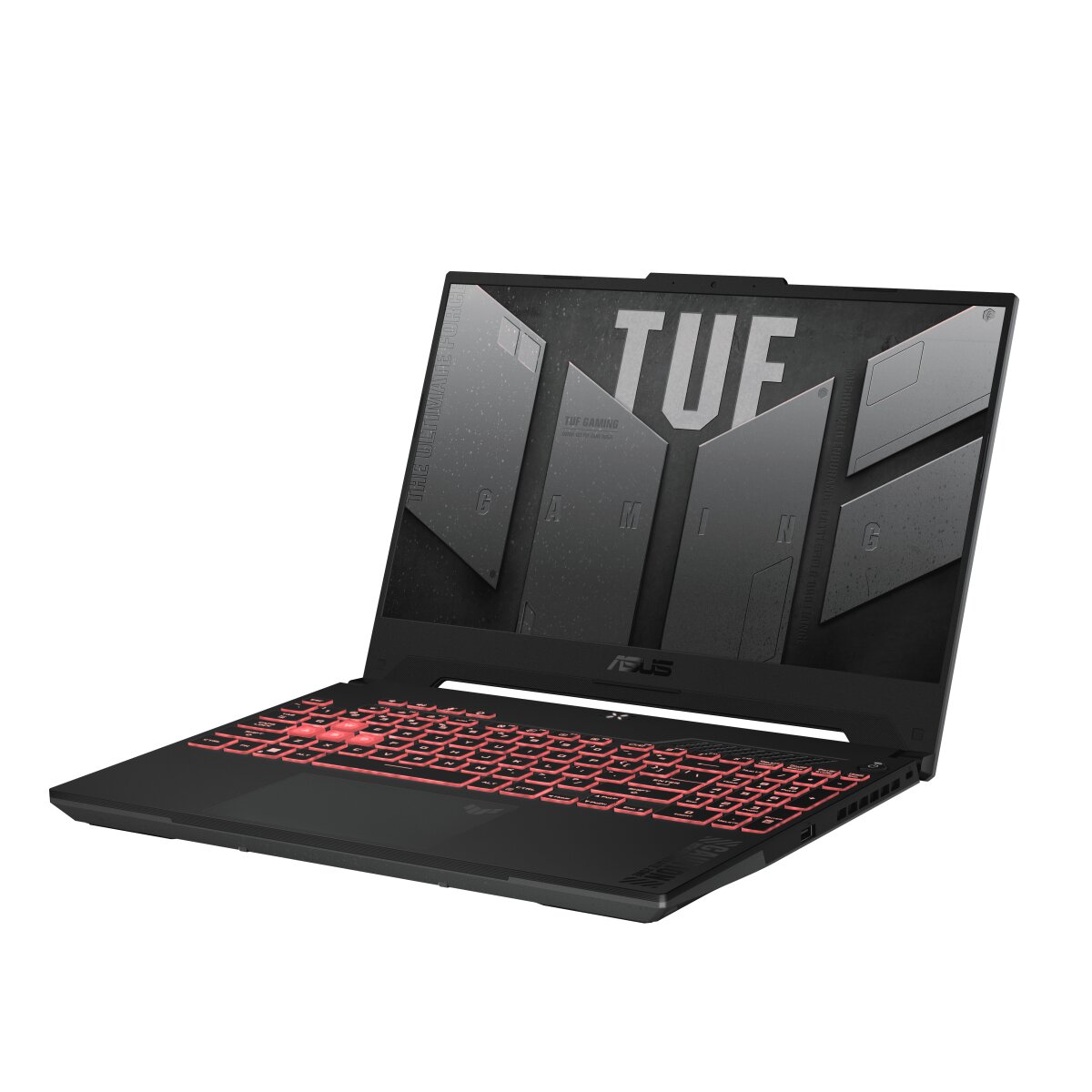
ASUS TUF Gaming A15 FA507NU-LP031 laptop memory upgrade specifications include two SO-DIMM slots supporting DDR5-SDRAM modules. Compatible memory operates at 4800 MHz frequency with maximum upgrade capacity of 32 GB total RAM. Current configuration and available expansion options depend on factory-installed memory modules. Consult motherboard manual and BIOS specifications for precise compatible modules and timing parameters. SO-DIMM form factor modules are required for upgrade installation in this gaming notebook model.
Memory Upgrade Specifications
| Specification | Value |
|---|---|
| Memory slots | 2x SO-DIMM |
| Form factor | SO-DIMM |
| Memory type | DDR5-SDRAM |
| Frequency | 4800 MHz |
| Maximum RAM | 32 GB |
| Voltage | 1.1V |
| Number of pins | 262-pin |
| Interface | PC5 |
| PC Speed Rating | PC5-4800 (PC5-38400) |
| Bandwidth | 38.4 GB/s |
Additional Notes
- The ASUS TUF Gaming FA507NU-LP031 accepts only DDR5 modules, making DDR4 memory physically and electrically incompatible due to different notch positions and voltage requirements.
- The 32 GB ceiling translates to a maximum configuration of 2x16 GB modules, as single 32 GB SO-DIMM units would exceed the controller's addressing limitations.
- Both slots must operate at the same frequency when populated, meaning a mixed-speed configuration will downclock all modules to the lowest common denominator rather than running each at its rated speed.
- The 4800 MHz specification represents JEDEC standard DDR5 timing, which operates at lower latency thresholds than overclocked variants marketed at higher frequencies but potentially longer CAS delays.
- SO-DIMM form factor restriction eliminates standard desktop DIMM modules from consideration, as the 260-pin laptop interface differs mechanically from 288-pin desktop memory.
- Dual-channel architecture requires matched pairs for optimal bandwidth utilization, as asymmetric capacities force the controller into flex mode with reduced throughput on the unpaired portion.
- The DDR5 on-die ECC feature operates independently of user configuration, providing background error correction without requiring server-grade registered modules.
- Thermal considerations arise from DDR5's higher power draw compared to DDR4, particularly when approaching the 32 GB maximum with denser modules that concentrate heat generation.
- BIOS support for JEDEC SPD profiles ensures basic functionality without XMP intervention, though enthusiast-grade modules may require firmware updates to unlock advertised performance tiers.
- Warranty preservation typically permits user-accessible memory upgrades on gaming-oriented models, unlike ultrabooks where soldered configurations void service agreements upon chassis disassembly.