ASUS TUF Gaming FA507NU-LP030W RAM upgrade specifications
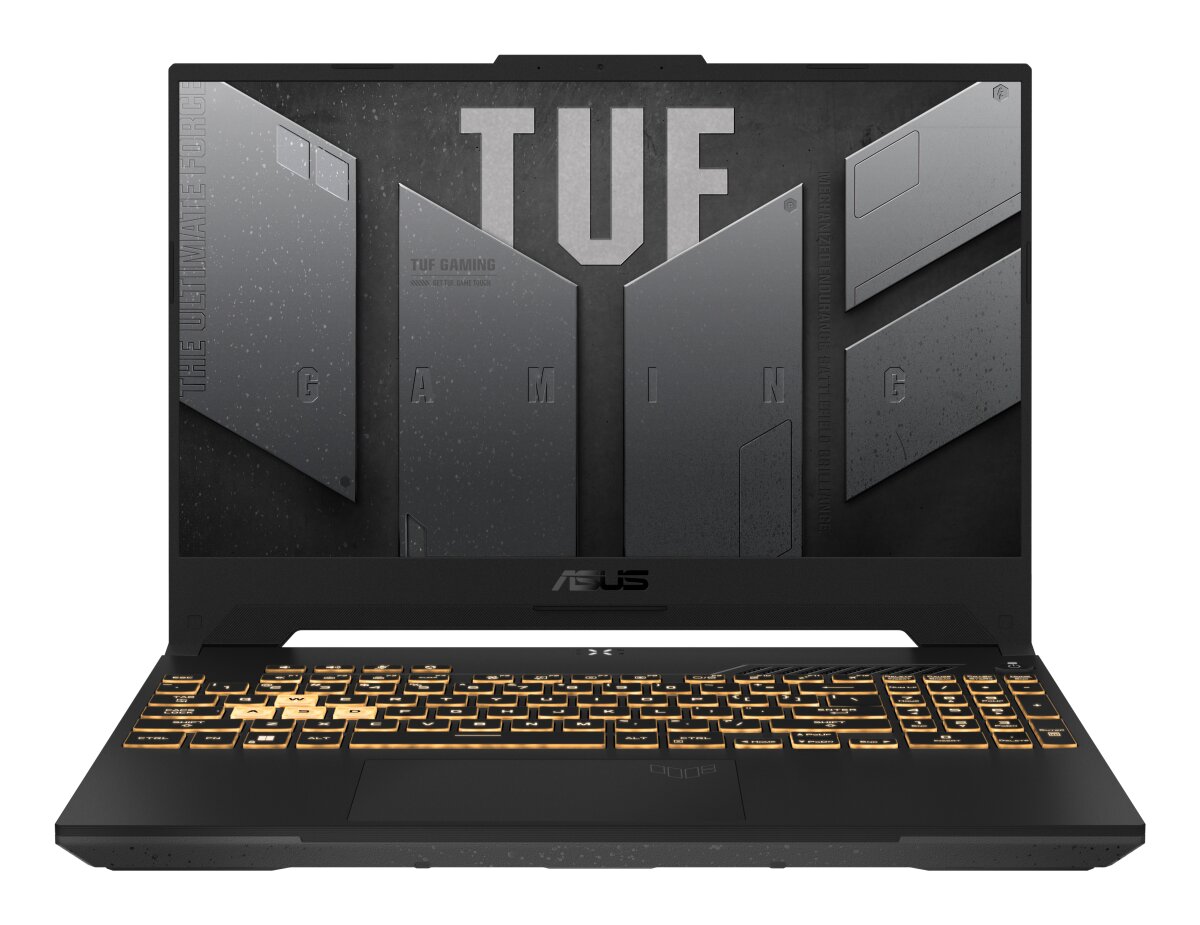
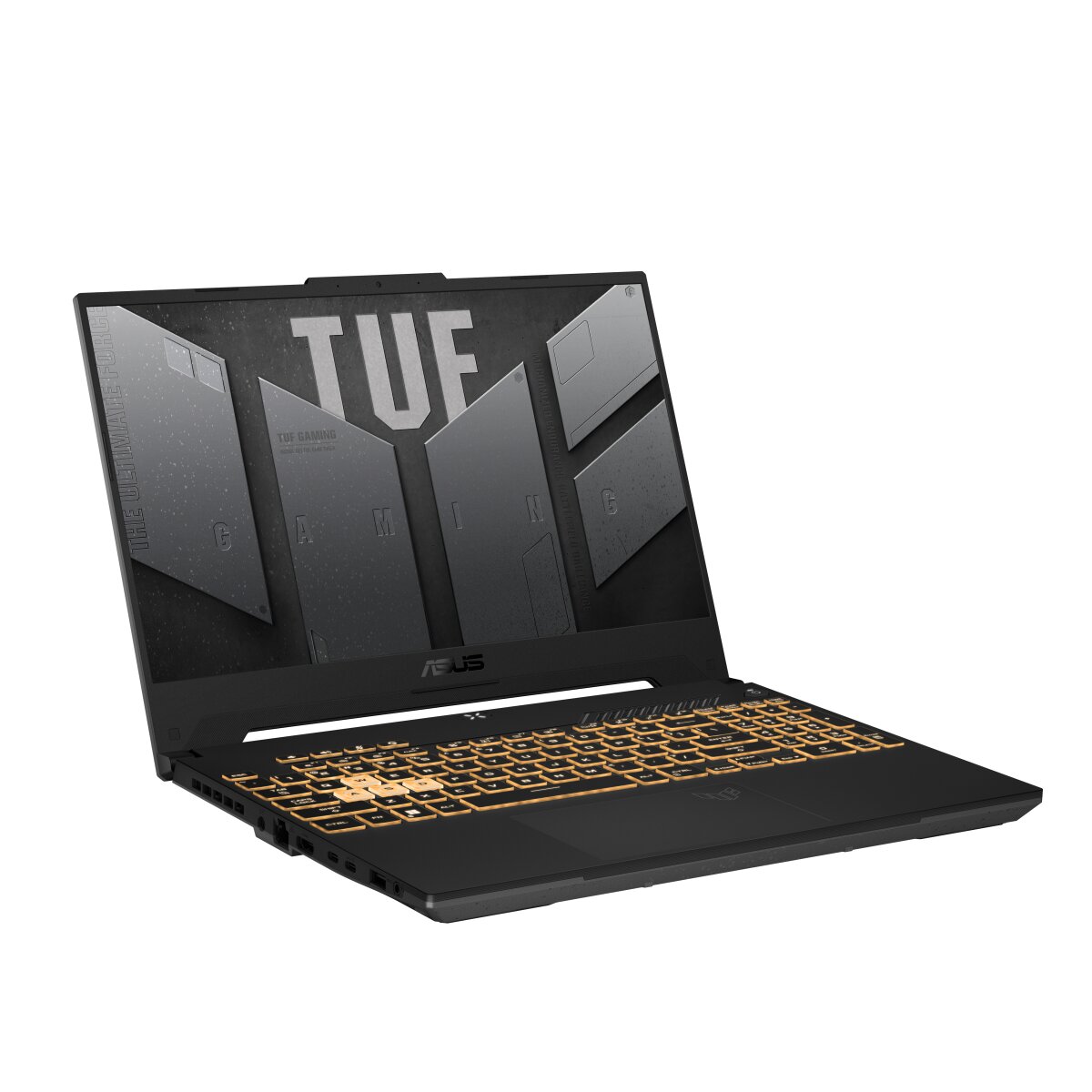

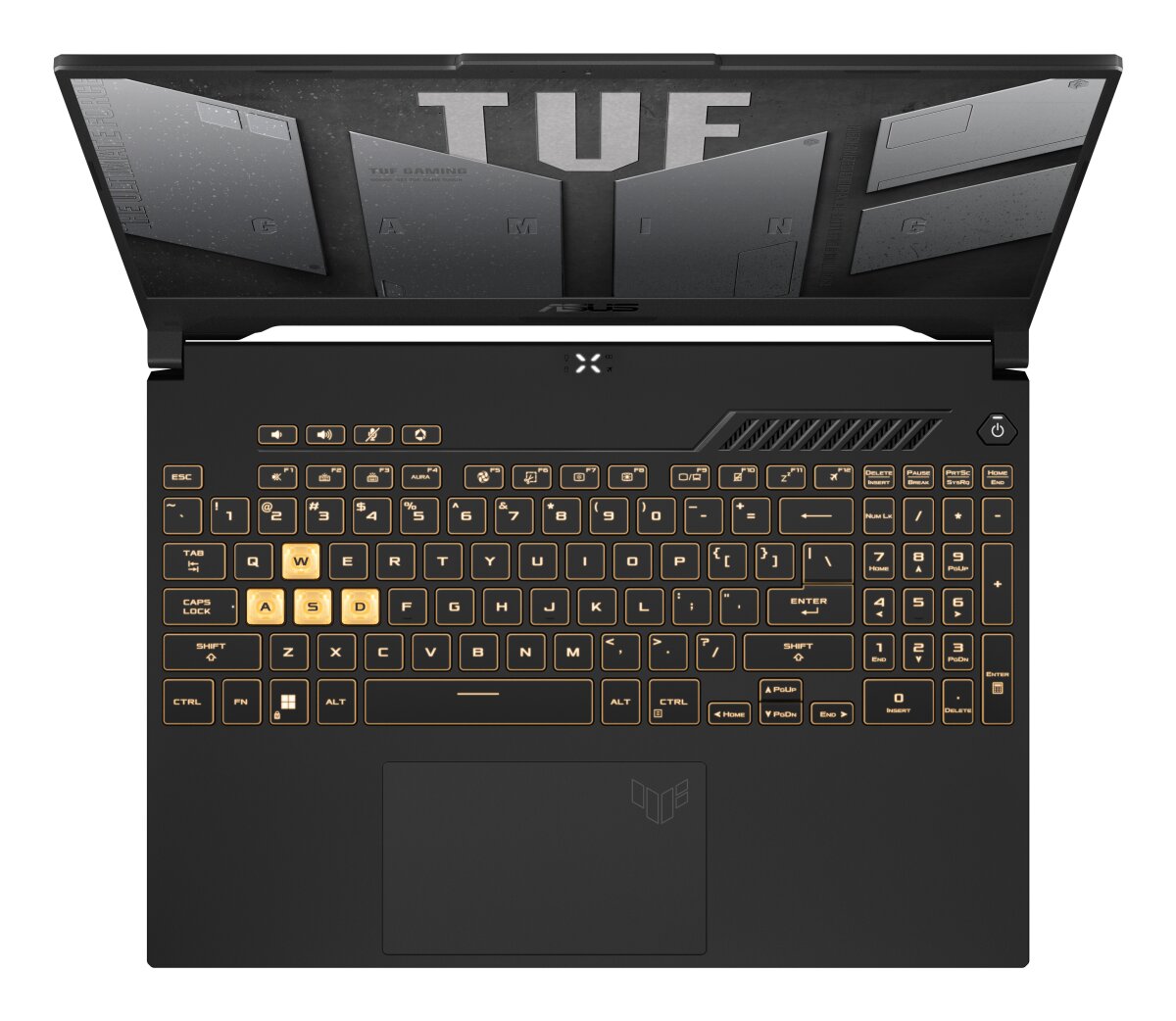
ASUS TUF Gaming A15 FA507NU-LP030W RAM upgrade specifications include DDR5-SDRAM memory compatible with two SO-DIMM slots. The laptop supports maximum capacity of 32 GB RAM with 4800 MHz frequency. Upgrading memory in this model requires SO-DIMM form factor modules. Specifications indicate dual-slot configuration enabling users to expand memory beyond factory default capacity for enhanced multitasking and performance capabilities.
Memory Upgrade Specifications
| Specification | Value |
|---|---|
| Memory slots | 2x SO-DIMM |
| Form factor | SO-DIMM |
| Memory type | DDR5-SDRAM |
| Frequency | 4800 MHz |
| Maximum RAM | 32 GB |
| Voltage | 1.1V |
| Number of pins | 262-pin |
| Interface | PC5 |
| PC Speed Rating | PC5-4800 (PC5-38400) |
| Bandwidth | 38.4 GB/s |
Additional Notes
- The ASUS TUF Gaming FA507NU-LP030W supports DDR5 memory at 4800 MHz, which requires DDR5-specific SO-DIMM modules and is incompatible with preceding DDR4 laptop memory, restricting upgrade sources to DDR5-certified inventory.
- Dual SO-DIMM slots enable symmetric dual-channel configuration when both slots are populated, doubling memory bandwidth to approximately 76.8 GB/s at rated frequency compared to single-channel operation.
- The 32 GB maximum capacity ceiling is determined by SO-DIMM form factor constraints and firmware limitations, meaning the highest practical single-module configuration is 2x16 GB, not 2x24 GB or higher capacity variants that exist for desktop systems.
- Factory-populated SODIMM modules in this model typically operate at JEDEC DDR5-4800 standard timing, but aftermarket DDR5 modules rated above 4800 MHz will throttle to 4800 MHz in hardware, making premium higher-speed variants a cost inefficiency for this platform.
- SO-DIMM memory extraction requires removal of the bottom access panel and typically involves spread-clip ejection, a low-risk process that does not void warranty if performed without secondary component contact.
- Upgrading from factory-installed lower capacity modules to 32 GB total will generate approximately 2.5 watts additional idle thermal load and 4-6 watts under sustained memory-intensive workloads, with negligible impact on system thermal design power allocation.