ASUS TUF Gaming FA507NU-DS74 RAM upgrade specifications
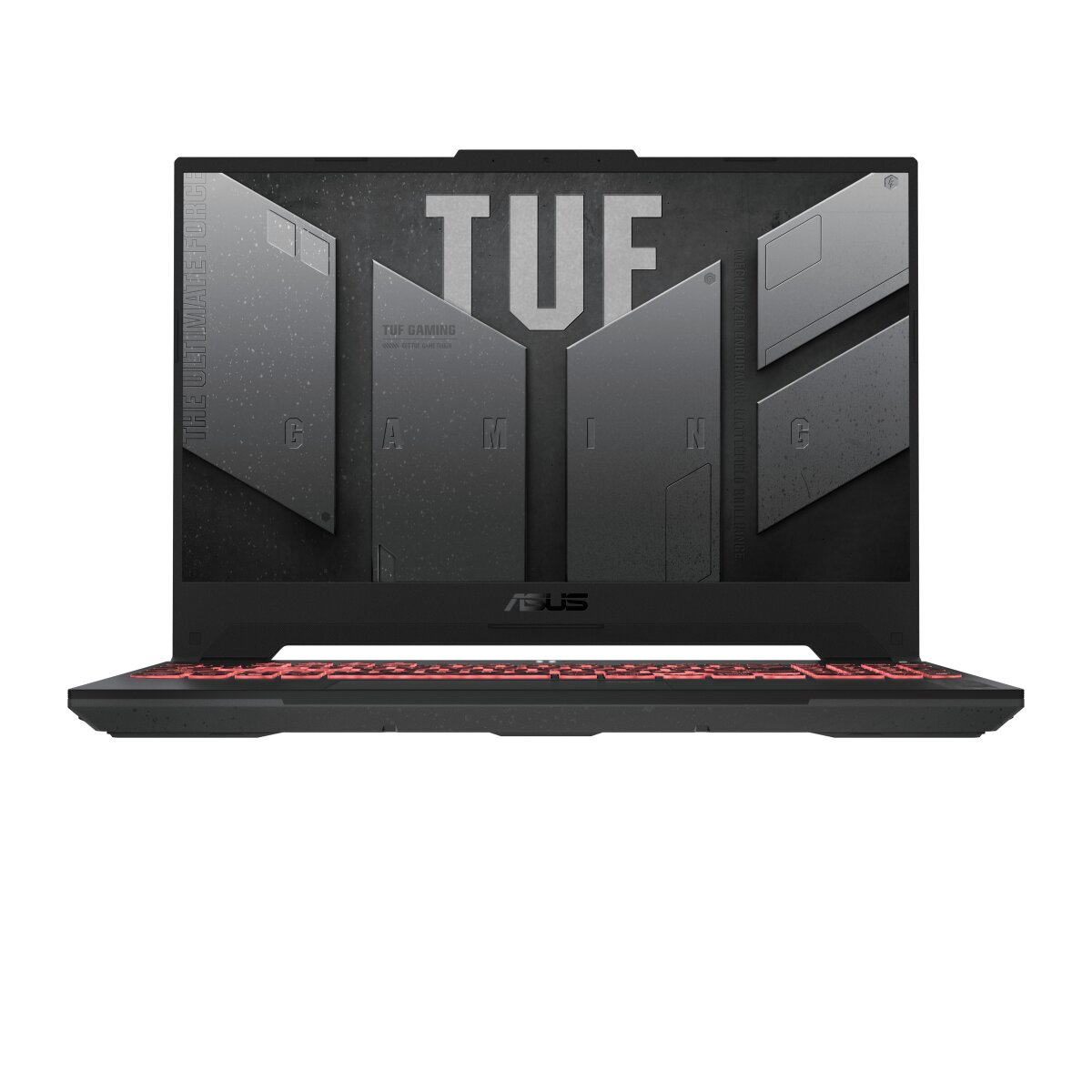
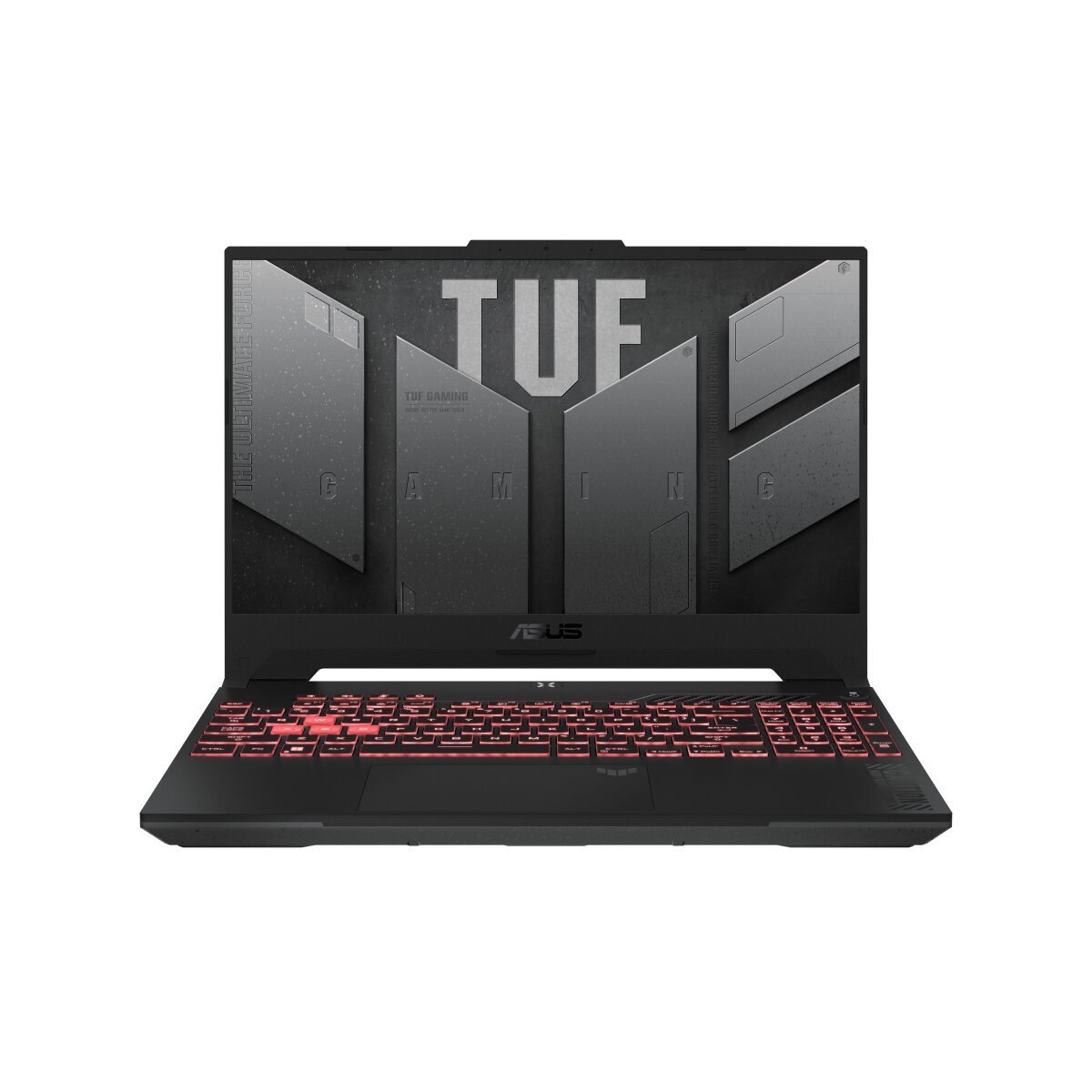
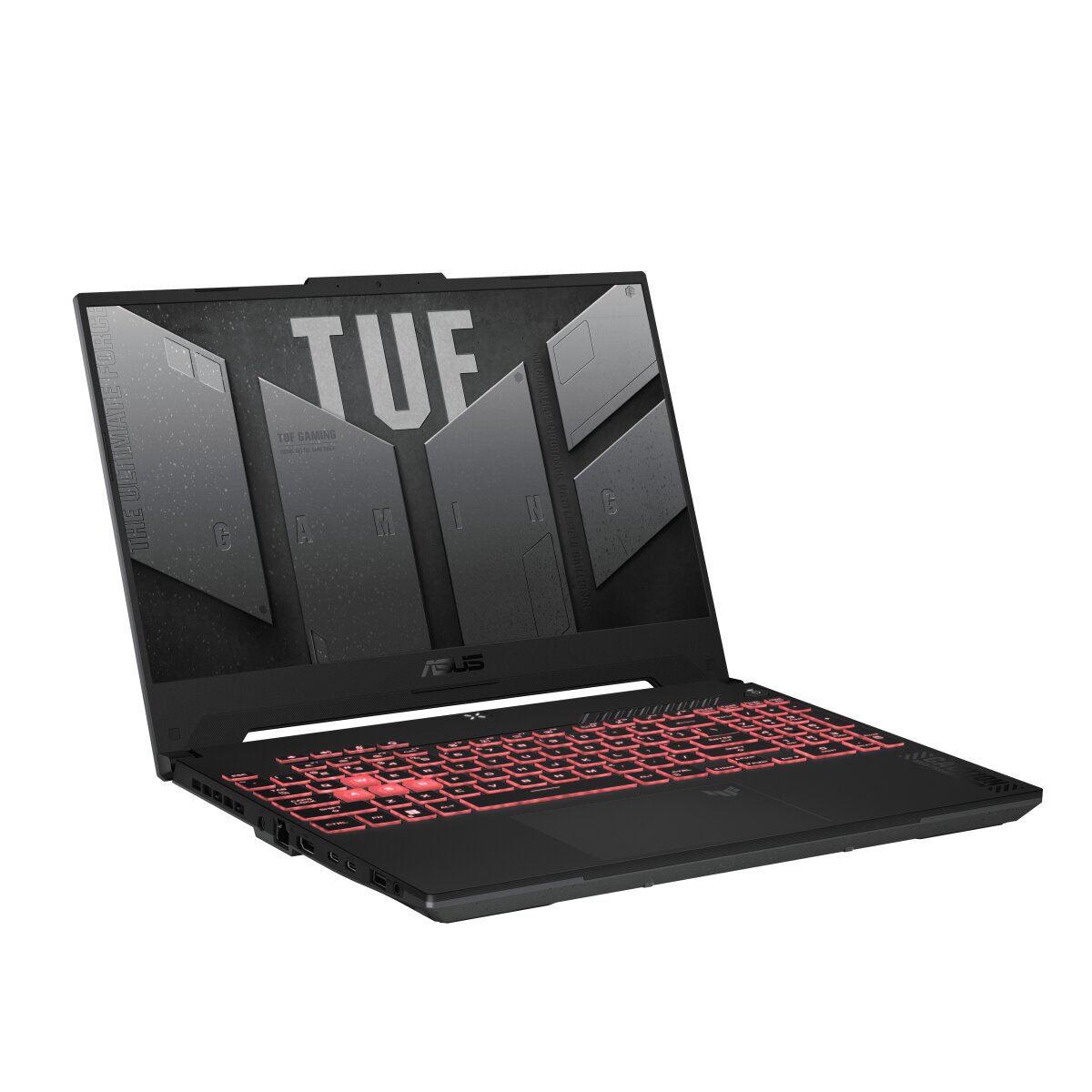
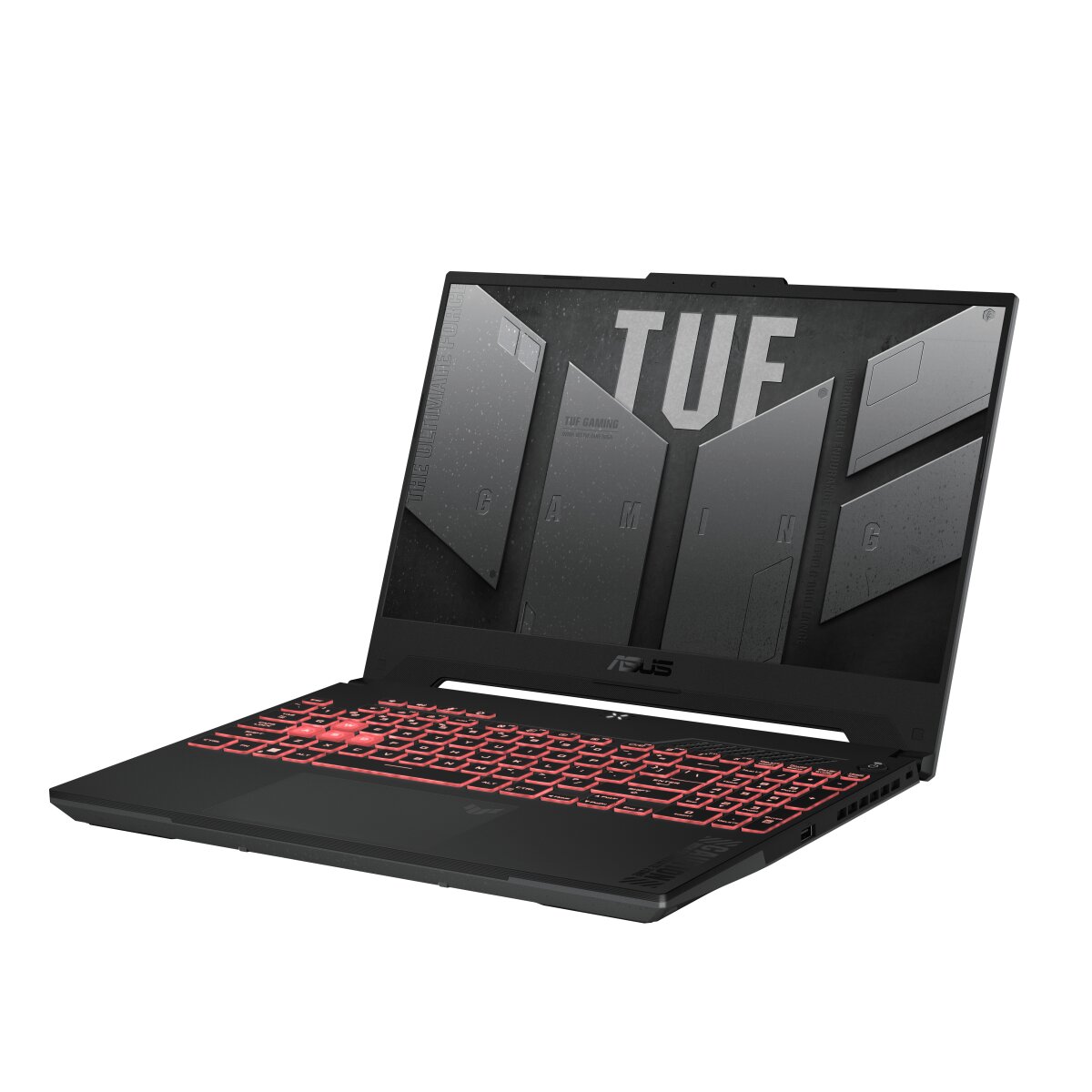
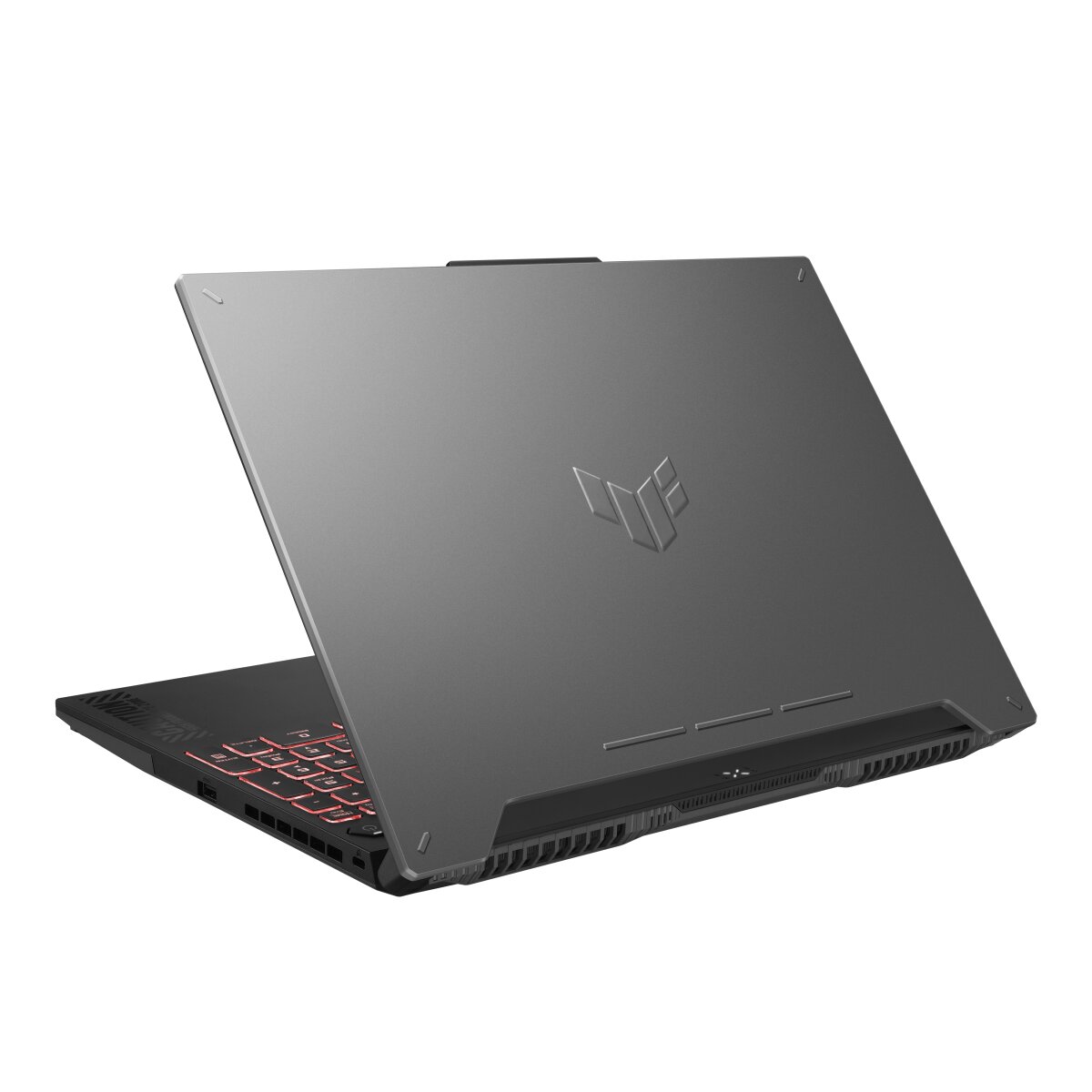
The ASUS TUF Gaming A15 FA507NU-DS74 laptop features DDR5-SDRAM memory upgrade specifications with two SO-DIMM slots supporting a maximum RAM capacity of 32 GB. The memory operates at 4800 MHz frequency, enabling compatible DDR5 modules to be installed for enhanced performance. Specifications indicate the SO-DIMM form factor for all compatible RAM upgrades on this gaming laptop model.
Memory Upgrade Specifications
| Specification | Value |
|---|---|
| Memory slots | 2x SO-DIMM |
| Form factor | SO-DIMM |
| Memory type | DDR5-SDRAM |
| Frequency | 4800 MHz |
| Maximum RAM | 32 GB |
| Voltage | 1.1V |
| Number of pins | 262-pin |
| Interface | PC5 |
| PC Speed Rating | PC5-4800 (PC5-38400) |
| Bandwidth | 38.4 GB/s |
| Laptop Release date | 10 February 2023 |
Additional Notes
- The ASUS TUF Gaming FA507NU-DS74 accepts only DDR5 modules, rendering all DDR4 inventory incompatible due to notch position differences and voltage requirements.
- The 32 GB ceiling requires dual 16 GB modules when maximizing capacity, as single-slot configurations leave performance potential unused.
- DDR5 SO-DIMM modules operating below 4800 MHz will function but constrain memory bandwidth compared to the native specification.
- Installing modules exceeding 4800 MHz may result in automatic downclocking to the supported frequency, negating premium pricing for higher-speed kits.
- Both SO-DIMM slots must remain accessible for dual-channel operation, which delivers double the bandwidth versus single-stick configurations at identical frequencies.
- Mixing modules with different speeds forces both sticks to operate at the slower module's frequency, creating an artificial bottleneck.
- Warranty preservation typically requires leaving factory-installed memory seals intact when positioned over access panels, though RAM upgrades generally qualify as user-serviceable.
- Thermal considerations in gaming workloads favor modules with integrated heat spreaders, as DDR5 generates more heat than DDR4 during sustained high-frequency operation.
- JEDEC-standard DDR5 modules at 4800 MHz ensure broadest compatibility, while XMP/EXPO profiles may require BIOS support verification before purchase.
- The 262-pin SO-DIMM standard prohibits using standard DIMM desktop modules, despite both supporting DDR5 technology.