ASUS TUF Gaming FA507NU RAM upgrade specifications

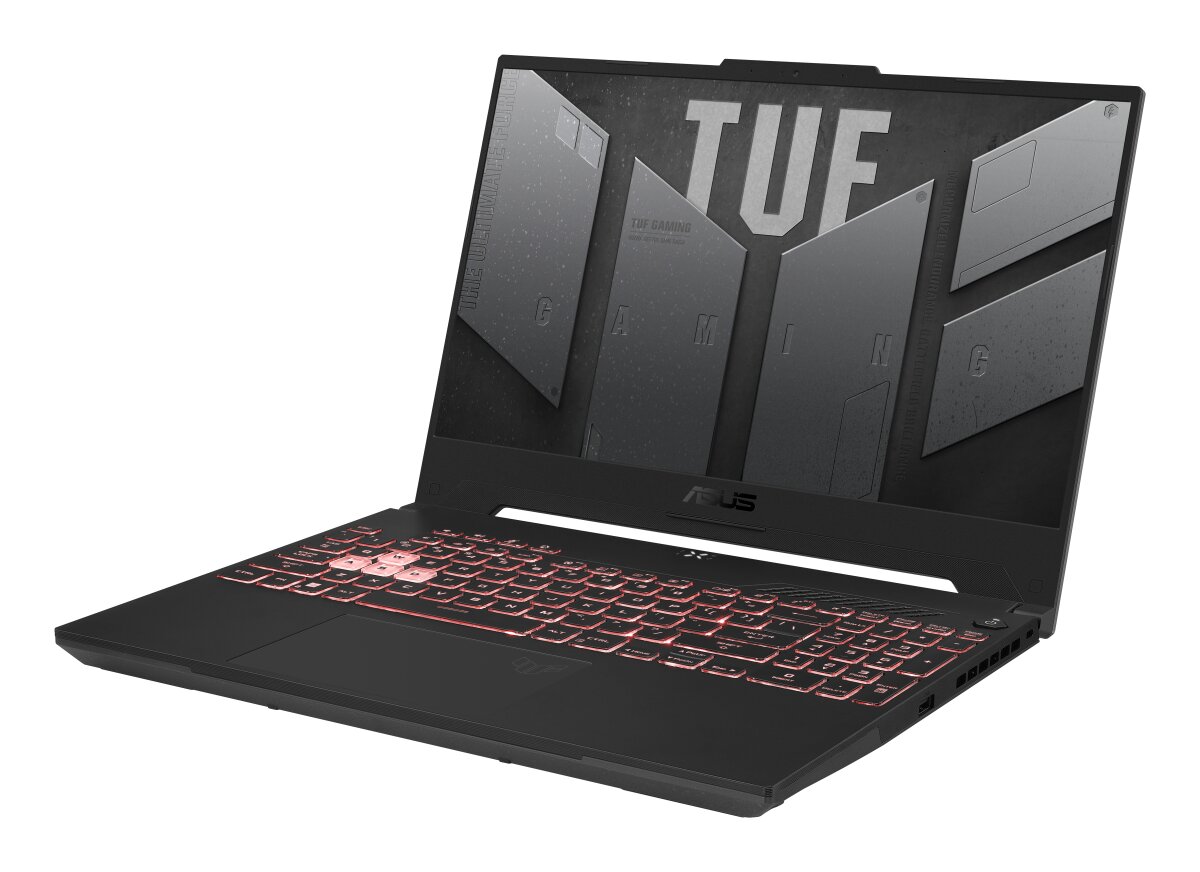
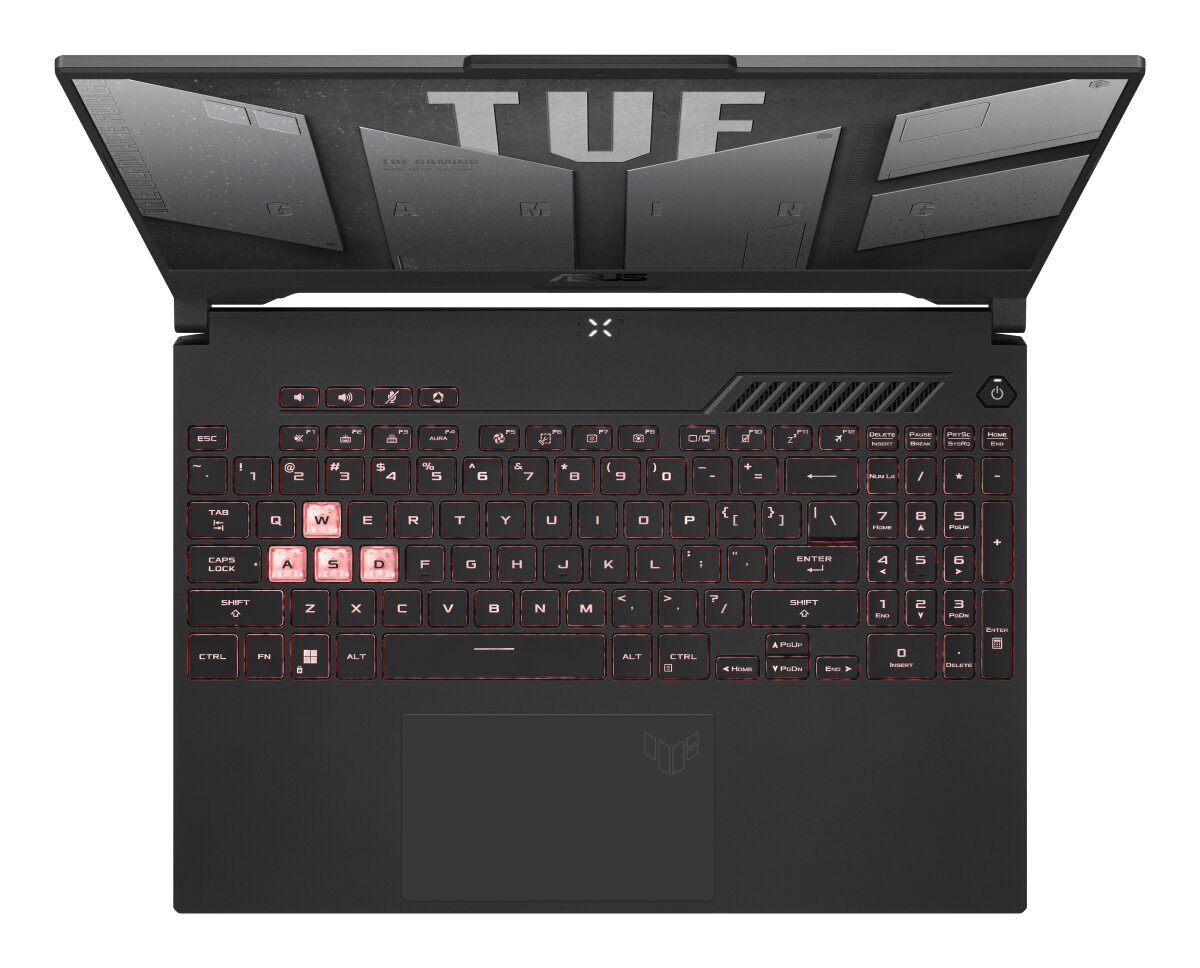
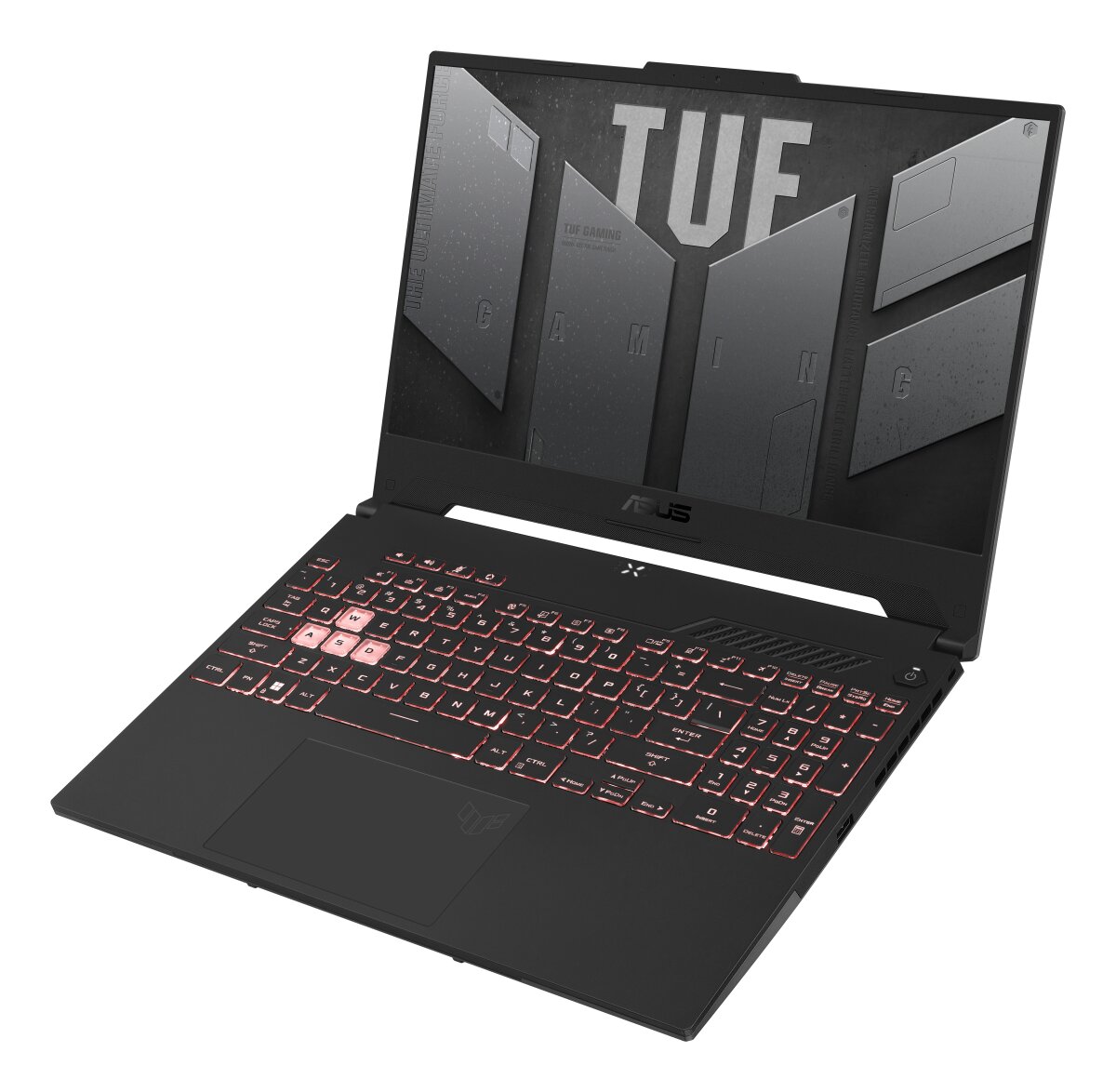
ASUS TUF Gaming A15 FA507NU compatible memory upgrade specifications: DDR5-SDRAM SO-DIMM format with 2 available slots supporting maximum capacity of 32 GB RAM. Compatible memory operates at 4800 MHz frequency. Upgrade configurations available in dual-channel slots for enhanced performance. Specifications indicate SO-DIMM form factor compatibility with DDR5 technology for this gaming laptop model.
Memory Upgrade Specifications
| Specification | Value |
|---|---|
| Memory slots | 2x SO-DIMM |
| Form factor | SO-DIMM |
| Memory type | DDR5-SDRAM |
| Frequency | 4800 MHz |
| Maximum RAM | 32 GB |
| Voltage | 1.1V |
| Number of pins | 262-pin |
| Interface | PC5 |
| PC Speed Rating | PC5-4800 (PC5-38400) |
| Bandwidth | 38.4 GB/s |
Additional Notes
- The ASUS TUF Gaming FA507NU implements DDR5 SO-DIMM slots, which physically reject DDR4 modules due to notch repositioning at pin 144 versus pin 260 in DDR4 SO-DIMMs.
- DDR5 operates at 1.1V compared to DDR4's 1.2V, requiring compatible voltage regulation on the motherboard that prevents backward compatibility with earlier generation modules.
- The 32 GB ceiling suggests chipset or BIOS limitations that prevent recognition of 48 GB configurations using asymmetric 32 GB + 16 GB pairing.
- Dual-channel operation requires matched module capacities in both slots to avoid defaulting to single-channel mode, which halves memory bandwidth to approximately 38.4 GB/s per channel.
- The 4800 MHz specification represents JEDEC baseline for DDR5, meaning modules rated at 5200 MHz or 5600 MHz will downclock to 4800 MHz due to BIOS frequency locks.
- Installing only 1 module leaves 1 slot vacant and forces single-channel operation at 38.4 GB/s total bandwidth instead of 76.8 GB/s available in dual-channel configuration.
- DDR5's on-die ECC operates independently of system-level ECC, providing internal error correction without requiring ECC-specific SO-DIMM modules or chipset support.
- SO-DIMM modules measuring 67.6 mm require bottom-panel removal for installation, typically preserving warranty under consumer protection regulations in most jurisdictions when performed without component damage.
- The platform does not support LPDDR5 soldered configurations, which would eliminate upgradeability entirely but reduce Z-height by approximately 3.5 mm.
- Mixing DDR5-4800 modules from different manufacturers with varying CAS latencies may force the system to adopt the higher latency timing of the slower module across both channels.
- The absence of RGB lighting headers on standard DDR5 SO-DIMM modules prevents synchronization with system lighting ecosystems, unlike desktop DIMM alternatives.