ASUS TUF Gaming FA507NU-LP180-GAMING RAM upgrade specifications

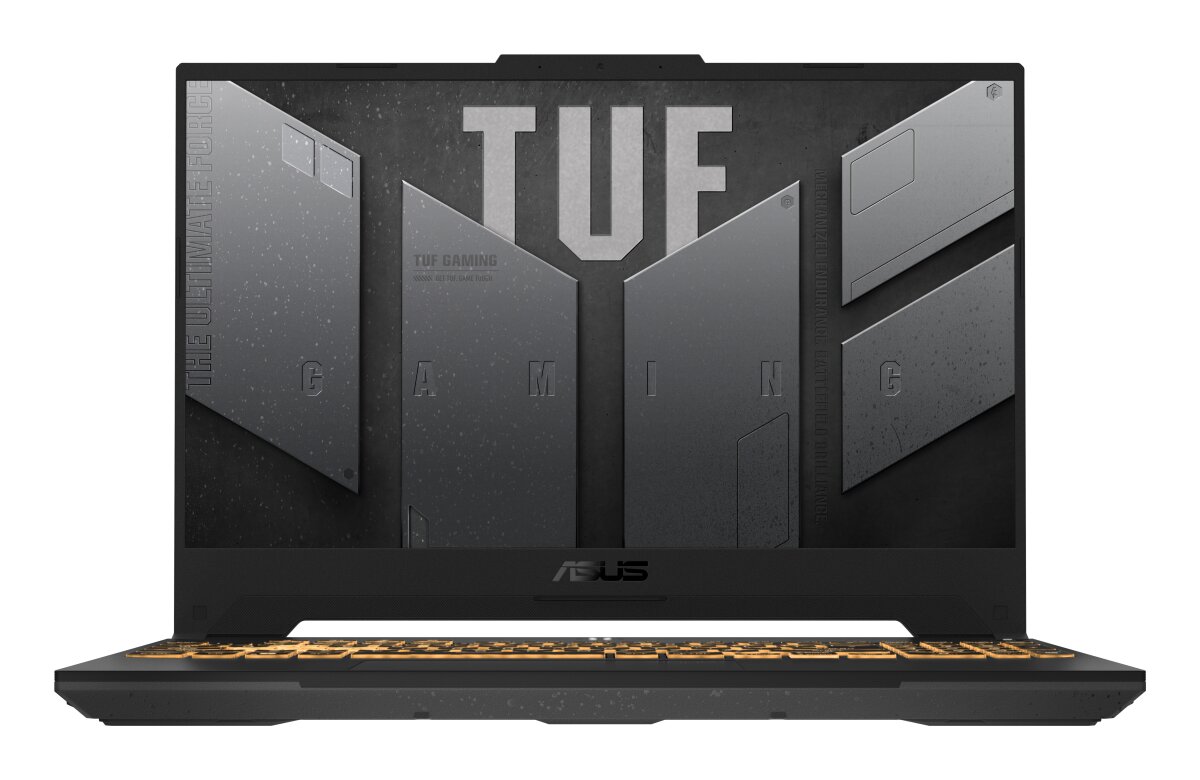
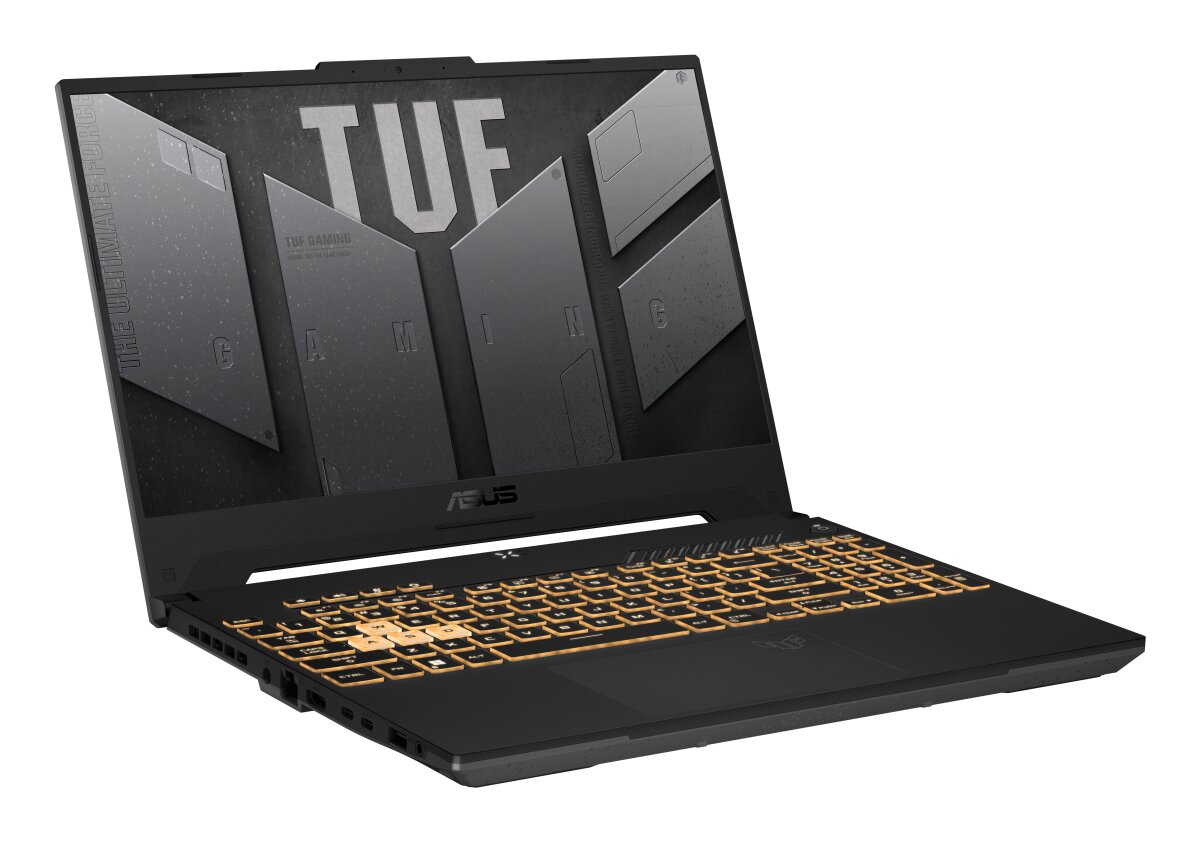
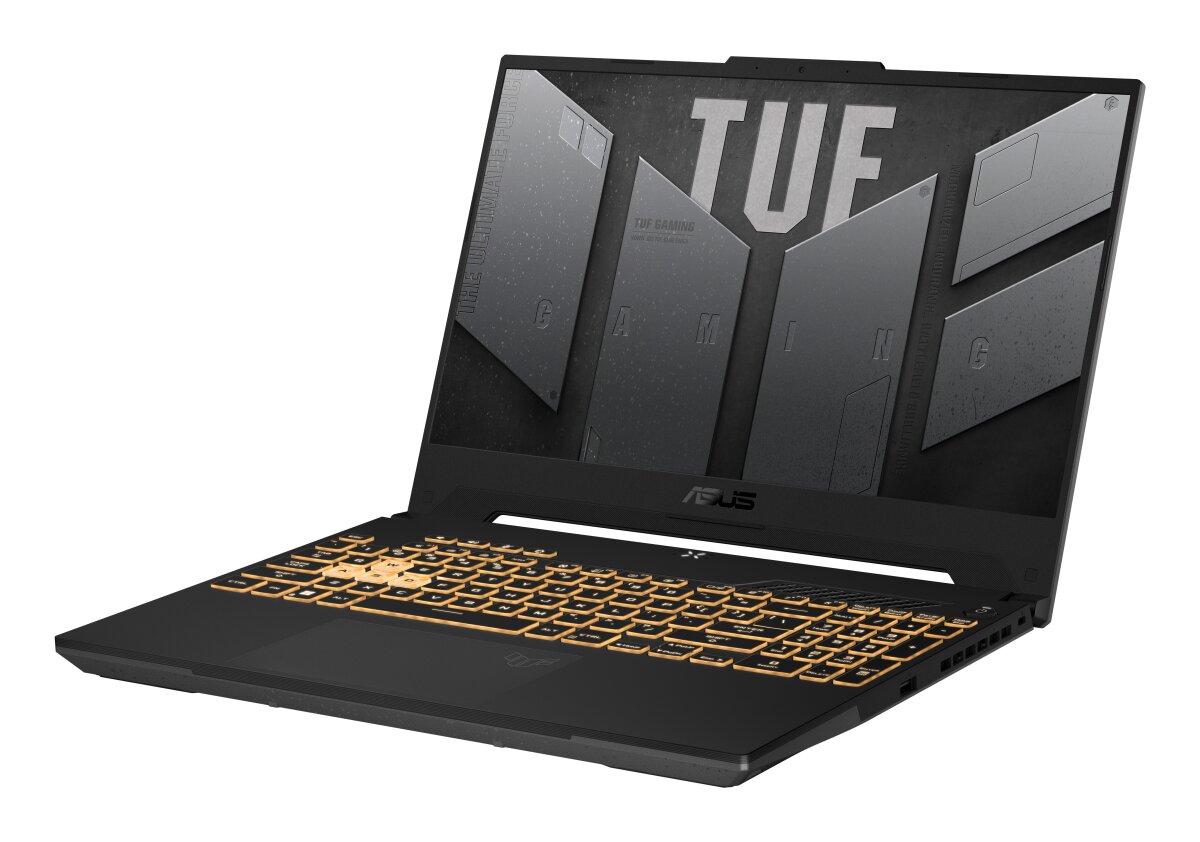
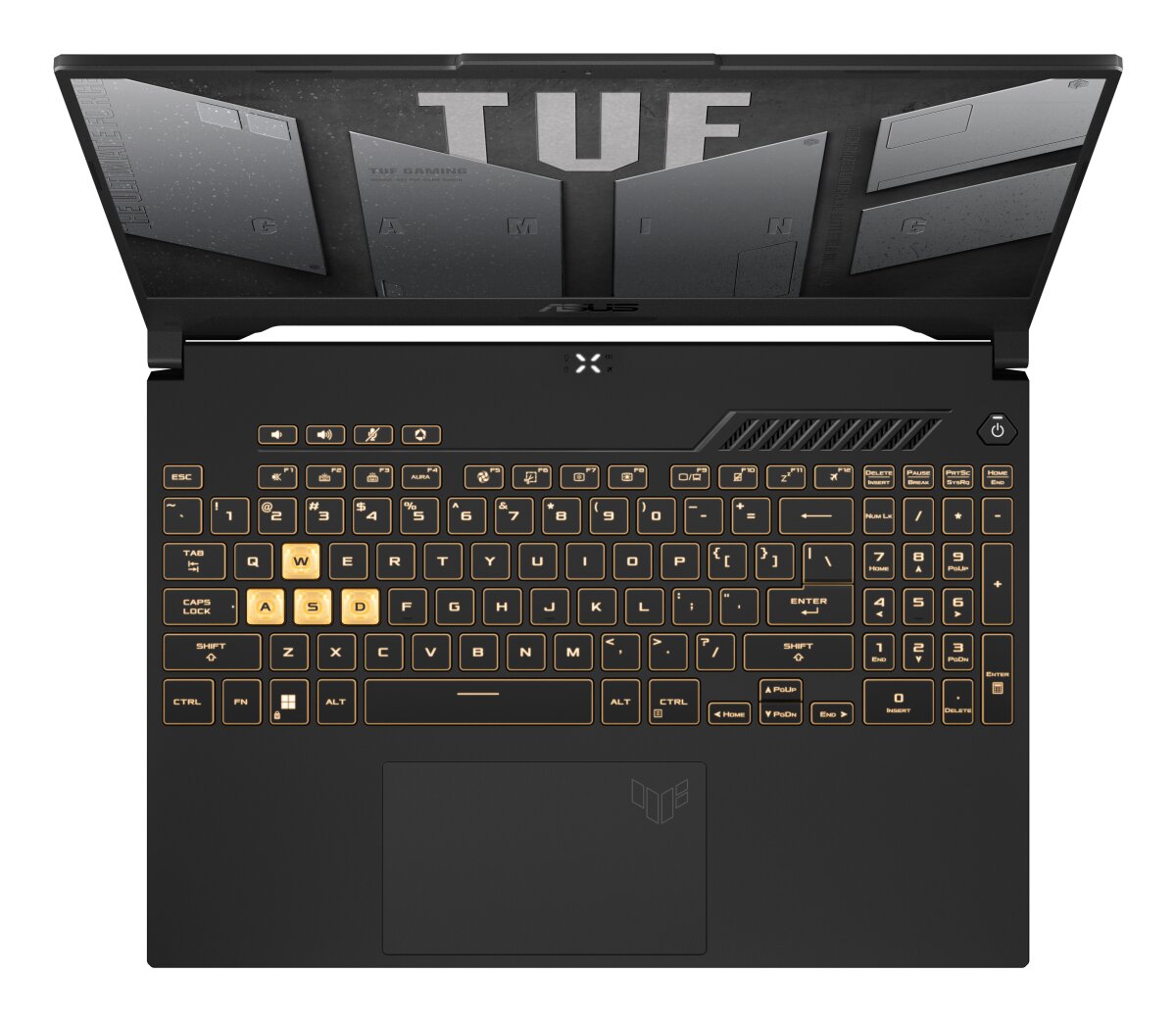
The ASUS TUF Gaming A15 FA507NU-LP180-GAMING features two SO-DIMM slots for RAM upgrades, supporting DDR5-SDRAM memory at 4800 MHz frequency. The laptop accommodates a maximum of 32 GB total memory capacity. Compatible RAM modules must match the SO-DIMM form factor and DDR5 specifications. Users seeking memory upgrades should ensure selected modules conform to the defined frequency and capacity parameters for optimal compatibility and system performance.
Memory Upgrade Specifications
| Specification | Value |
|---|---|
| Memory slots | 2x SO-DIMM |
| Form factor | SO-DIMM |
| Memory type | DDR5-SDRAM |
| Frequency | 4800 MHz |
| Maximum RAM | 32 GB |
| Voltage | 1.1V |
| Number of pins | 262-pin |
| Interface | PC5 |
| PC Speed Rating | PC5-4800 (PC5-38400) |
| Bandwidth | 38.4 GB/s |
Additional Notes
- The 32 GB maximum capacity reflects a chipset-level restriction common to mid-range mobile platforms, preventing future expansion beyond two 16 GB modules regardless of available slots.
- DDR5-4800 operates at JEDEC baseline specifications rather than performance-tier speeds, limiting bandwidth to approximately 38.4 GB/s per channel compared to DDR5-5600 or faster implementations.
- SO-DIMM dual-channel configuration requires matched module pairs for optimal memory interleaving, as mismatched capacities will force single-channel operation on the excess capacity portion.
- The ASUS TUF Gaming FA507NU-LP180-GAMING enforces strict voltage parameters for DDR5, typically locked at 1.1V, which eliminates overclocking headroom available in desktop DDR5 modules.
- Physical access to both SO-DIMM slots typically requires complete bottom panel removal on this chassis design, voiding certain regional warranty seals depending on market-specific policies.
- DDR5 SO-DIMM modules incorporate on-die ECC that operates transparently but does not provide user-accessible error reporting, distinguishing it from server-grade UDIMM implementations.
- Mixing DDR5 modules with different primary timings will force all installed memory to conform to the slowest module's SPD profile, negating performance advantages of higher-bin components.
- The 4800 MHz specification represents effective data rate rather than actual clock frequency, as DDR5 architecture transfers data on both clock edges at a 2400 MHz base clock.
- Thermal throttling may occur with 32 GB configurations under sustained memory-intensive workloads due to increased heat density from fully populated SO-DIMM slots in compact gaming chassis.
- Platform validation for this model typically covers JEDEC-standard modules exclusively, meaning XMP or EXPO profile compatibility remains untested and unsupported by the manufacturer.