ASUS TUF Gaming FA507NUR-LP007 RAM upgrade specifications




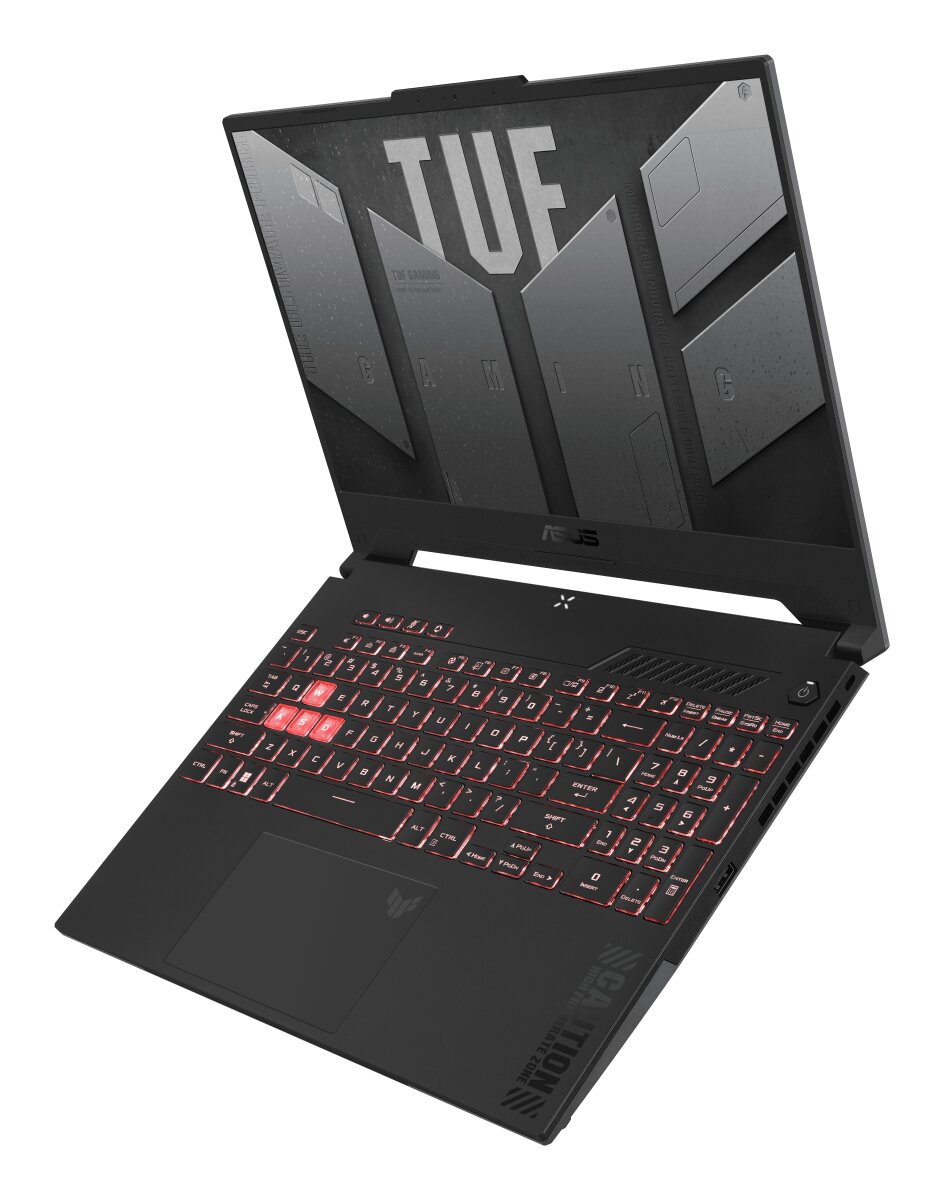
ASUS TUF Gaming A15 FA507NUR-LP007 features DDR5-SDRAM memory upgrade capability with 2x SO-DIMM slots supporting maximum capacity of 64 GB. Compatible memory modules operate at 4800 MHz frequency utilizing SO-DIMM form factor. Specifications enable RAM upgrade to enhance system performance for gaming and multitasking applications. Maximum memory capacity specifications accommodate high-bandwidth requirements for demanding workloads.
Memory Upgrade Specifications
| Specification | Value |
|---|---|
| Memory slots | 2x SO-DIMM |
| Form factor | SO-DIMM |
| Memory type | DDR5-SDRAM |
| Frequency | 4800 MHz |
| Maximum RAM | 64 GB |
| Voltage | 1.1V |
| Number of pins | 262-pin |
| Interface | PC5 |
| PC Speed Rating | PC5-4800 (PC5-38400) |
| Bandwidth | 38.4 GB/s |
Additional Notes
- The ASUS TUF Gaming FA507NUR-LP007 uses SO-DIMM form factor modules, which are physically smaller than desktop counterparts and require careful handling during installation due to confined internal chassis space typical of gaming laptops.
- DDR5-4800 memory operates at significantly higher bandwidth than DDR4 alternatives, reducing latency-sensitive bottlenecks in GPU-intensive workloads, though real-world performance gains depend on CPU architecture and application optimization for DDR5.
- The 2-slot architecture means maximum capacity is achieved with 2x32GB modules; single-slot upgrades cannot approach the 64GB ceiling without removing existing memory, limiting staged upgrade flexibility.
- SO-DIMM DDR5-4800 modules are widely available from major OEMs, but warranty coverage requires verification of ASUS's approved memory specification list; third-party modules may void coverage even if technically compatible.
- The 4800MHz frequency specification represents standard DDR5 operation; actual performance depends on memory controller negotiation with CPU frequency settings, which may clock down under sustained thermal load in laptop environments.
- Upgrading both slots simultaneously minimizes thermal cycling stress on solder joints compared to sequential installations, reducing long-term reliability risk in mobile form factors subject to vibration and temperature fluctuations.