ASUS TUF Gaming FA507NUR-LP006-GAMING RAM upgrade specifications

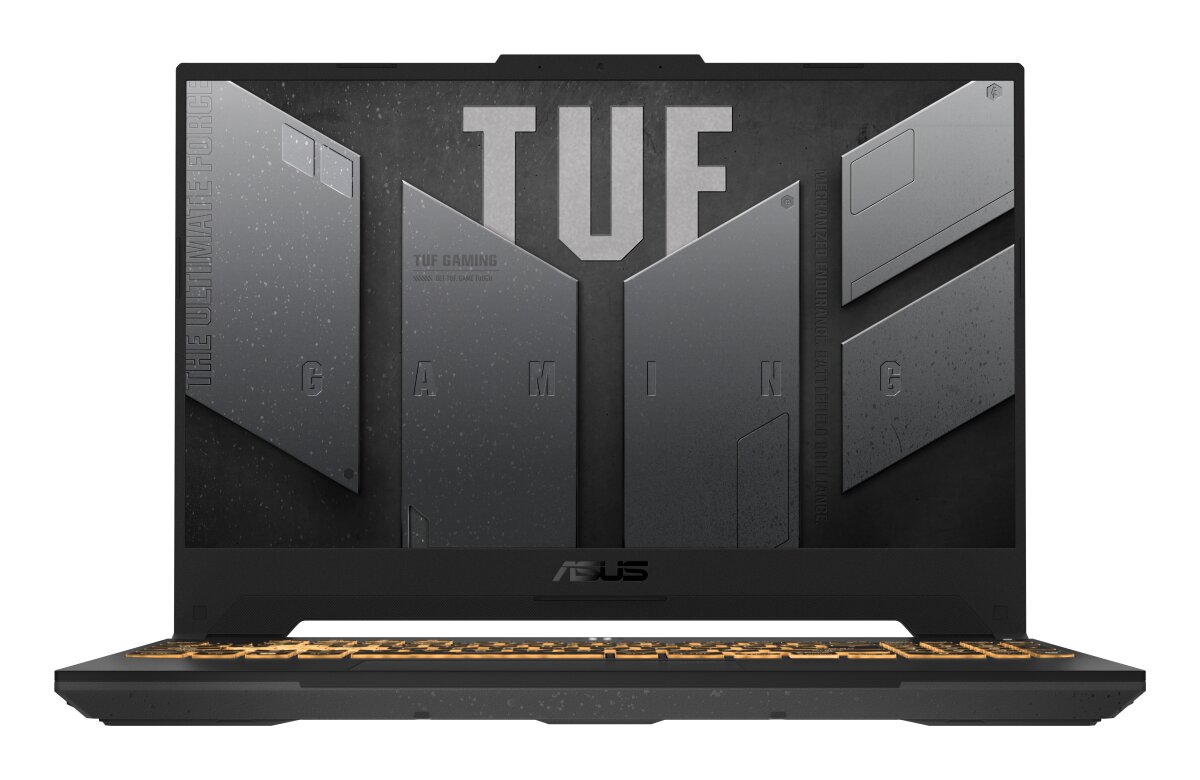
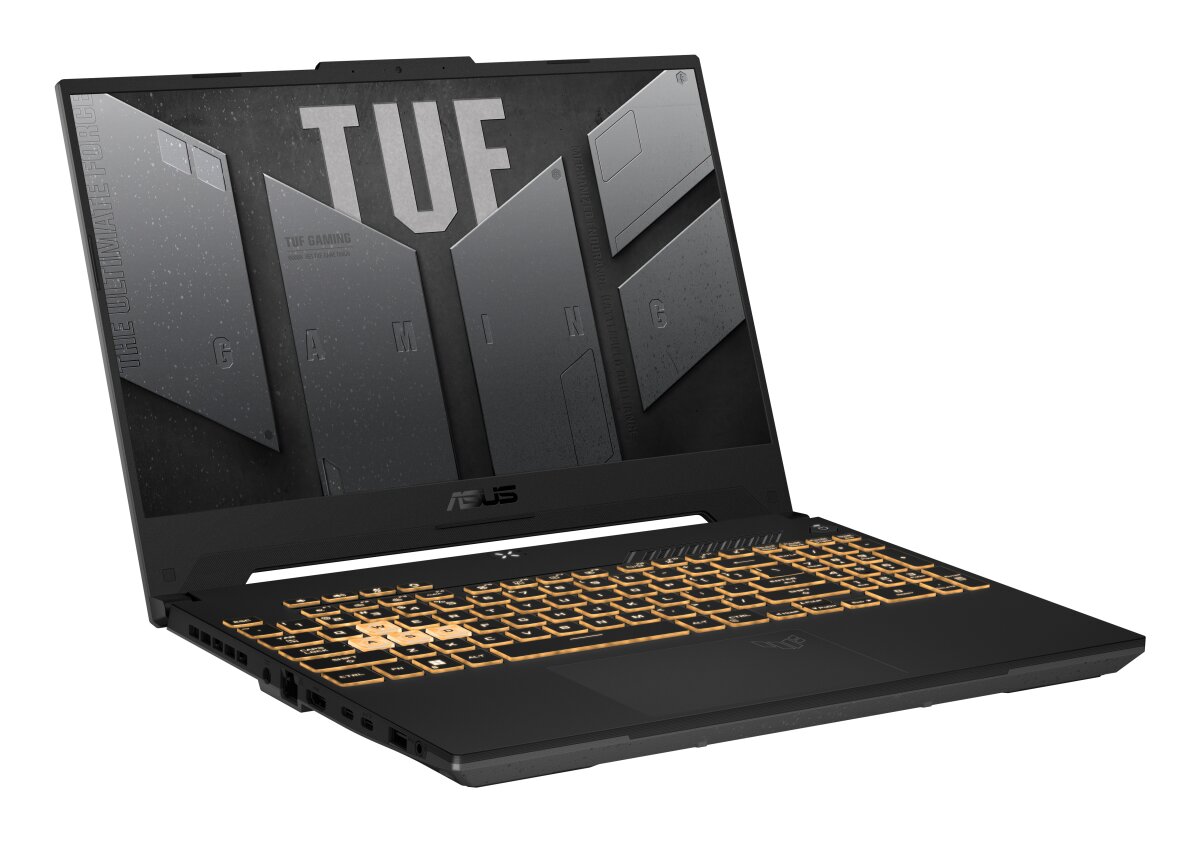

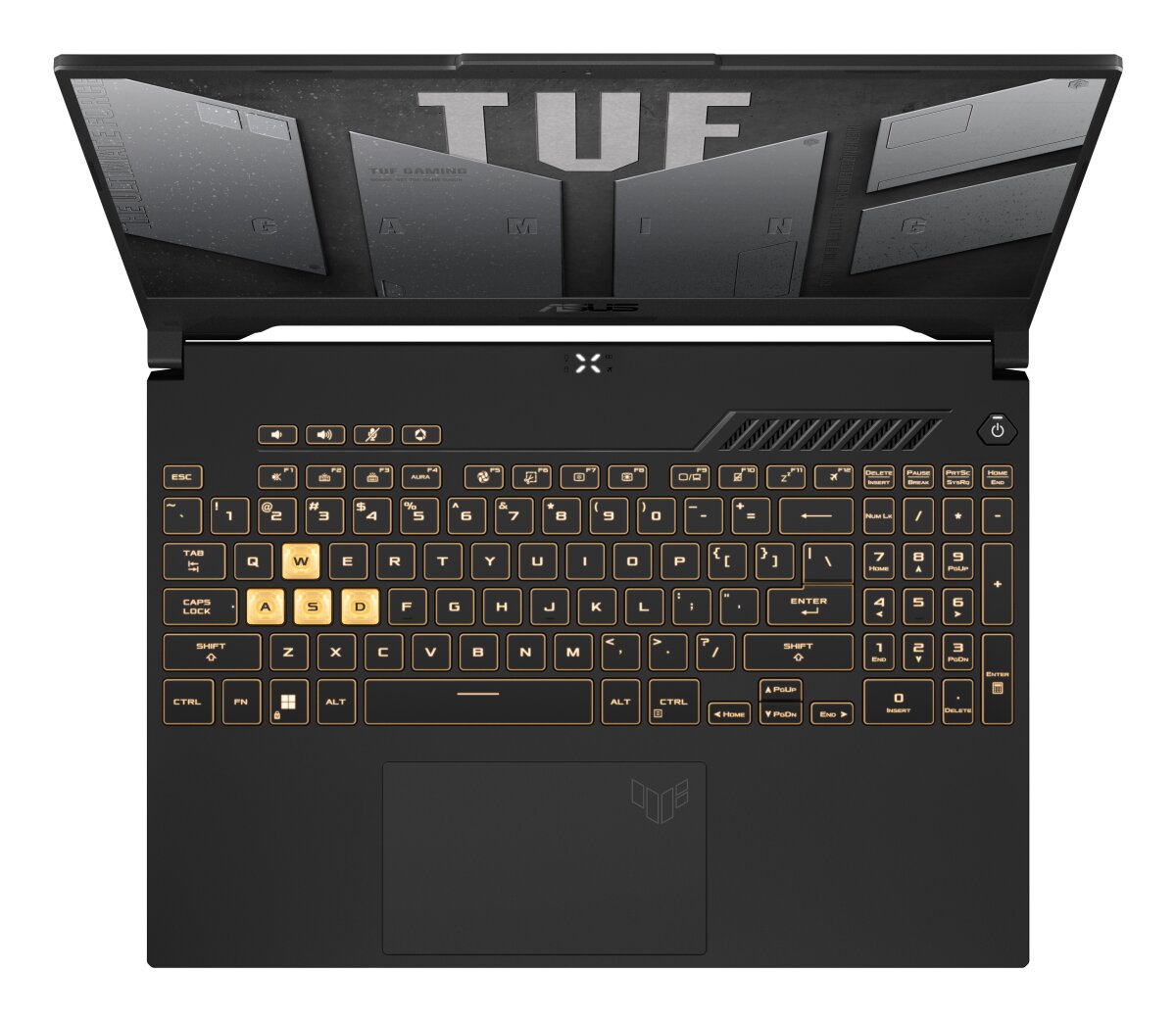
The ASUS TUF Gaming A15 FA507NUR-LP006-GAMING laptop features DDR5-SDRAM memory upgrades across 2x SO-DIMM slots. Maximum supported capacity reaches 64 GB total memory. Compatible upgrades utilize SO-DIMM form factor operating at 4800 MHz frequency specifications. Memory expansion slots accommodate standard DDR5 SO-DIMM modules for enhanced system performance and multitasking capabilities on the gaming notebook platform.
Memory Upgrade Specifications
| Specification | Value |
|---|---|
| Memory slots | 2x SO-DIMM |
| Form factor | SO-DIMM |
| Memory type | DDR5-SDRAM |
| Frequency | 4800 MHz |
| Maximum RAM | 64 GB |
| Voltage | 1.1V |
| Number of pins | 262-pin |
| Interface | PC5 |
| PC Speed Rating | PC5-4800 (PC5-38400) |
| Bandwidth | 38.4 GB/s |
Additional Notes
- The ASUS TUF Gaming FA507NUR-LP006-GAMING contains 2 SO-DIMM slots operating at 4800 MHz, which means both sockets must be populated simultaneously to enable dual-channel architecture. Populating a single slot results in single-channel operation and reduces memory bandwidth by approximately 50 percent.
- DDR5-4800 modules paired with this laptop's memory controller impose strict compatibility requirements. Mixing DDR5 speeds (such as pairing 4800 MHz with 5600 MHz modules) forces downclocking of faster modules to the slowest module's frequency, negating the performance benefit of higher-speed memory.
- The 64 GB maximum capacity ceiling reflects the addressing limitations of the memory controller and BIOS firmware. Manufacturers do not warrant operation beyond this threshold, and installing modules exceeding this limit results in detection failure or system instability without recourse under warranty coverage.
- SO-DIMM form factor constrains physical upgrade options to laptop-specific modules only. Desktop DDR5 DIMM modules are mechanially incompatible and cannot be installed regardless of matching frequency specifications, as the notch positioning differs between form factors.
- The 4800 MHz specification represents the JEDEC standard for DDR5 in this generation. Modules rated for 5600 MHz, 6400 MHz, or higher operate as overclocked variants (XMP/DOCP profiles) and lack manufacturer warranty guarantees on non-standard configurations, though the laptop BIOS may still accept them at baseline 4800 MHz speeds.
- Upgrading from the factory configuration to 64 GB requires both SO-DIMM slots to receive matched 32 GB modules. Installing mismatched capacities (such as 32 GB plus 16 GB) results in asymmetric memory architecture, which introduces latency penalties and unpredictable performance degradation in multi-threaded workloads.