ASUS TUF Gaming FA507NV-LP222-Gaming RAM upgrade specifications




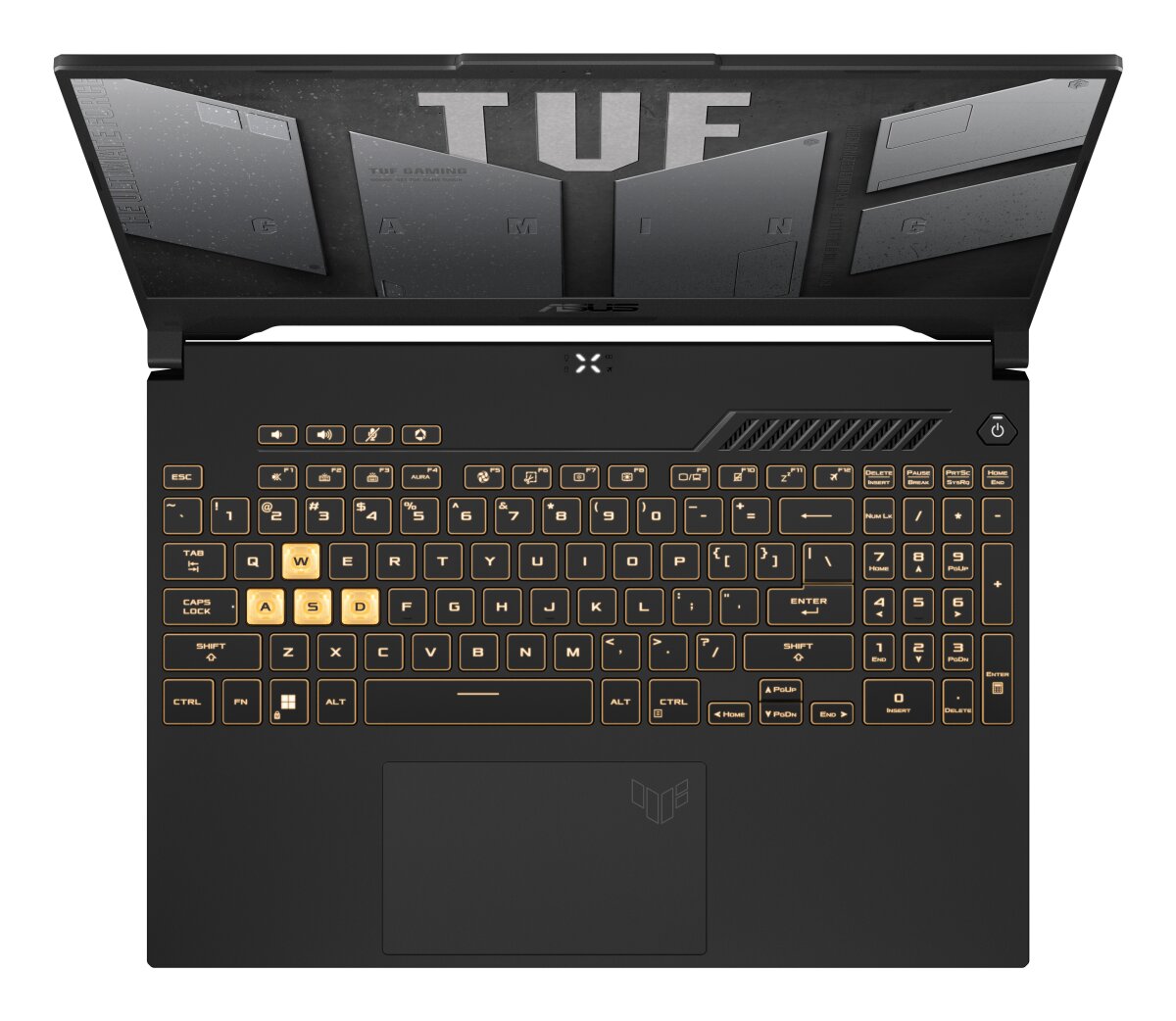
ASUS TUF Gaming A15 FA507NV-LP222-Gaming laptop memory upgrade specifications include DDR5-SDRAM compatible RAM modules. The device features 2x SO-DIMM memory slots supporting maximum capacity of 32 GB total memory. Compatible memory operates at 4800 MHz frequency. Upgrade options utilize SO-DIMM form factor modules. Specifications indicate DDR5 memory compatibility for this gaming laptop model.
Memory Upgrade Specifications
| Specification | Value |
|---|---|
| Memory slots | 2x SO-DIMM |
| Form factor | SO-DIMM |
| Memory type | DDR5-SDRAM |
| Frequency | 4800 MHz |
| Maximum RAM | 32 GB |
| Voltage | 1.1V |
| Number of pins | 262-pin |
| Interface | PC5 |
| PC Speed Rating | PC5-4800 (PC5-38400) |
| Bandwidth | 38.4 GB/s |
Additional Notes
- The ASUS TUF Gaming FA507NV-LP222 uses SO-DIMM slots, confirming this is a laptop with non-upgradeable soldered components elsewhere; only the 2 memory slots permit user modification.
- DDR5-4800 MHz memory operates at a frequency ceiling that matches current JEDEC standards for laptop DDR5, meaning faster third-party modules (5600 MHz or higher) will downclock to 4800 MHz and provide no performance gain.
- The 32 GB total capacity ceiling indicates the system BIOS locks recognition at this threshold; installing 2x16 GB modules reaches maximum addressable memory, and any single module exceeding 16 GB per slot will fail to initialize.
- SO-DIMM slot architecture in this chassis suggests limited thermal clearance above the memory modules; tall heatspreader designs on aftermarket DDR5 modules may contact the palmrest assembly, requiring verification before installation.
- Dual-channel memory topology on 2 SO-DIMM slots means mismatched capacities (for example, 8 GB and 16 GB) force the larger module into single-channel mode for the excess capacity, reducing bandwidth efficiency for that portion.
- Warranty coverage typically permits DDR5 replacement with components meeting the same specifications (voltage, frequency, latency), but non-OEM modules fall outside official support terms if stability issues emerge post-upgrade.
- The 4800 MHz specification constrains GPU and CPU cache coherency performance relative to desktop DDR5 systems running 5600 MHz or faster, creating a consistent 10-15% latency penalty in memory-intensive workloads.