ASUS TUF Gaming FA507NVR-HQ096W RAM upgrade specifications




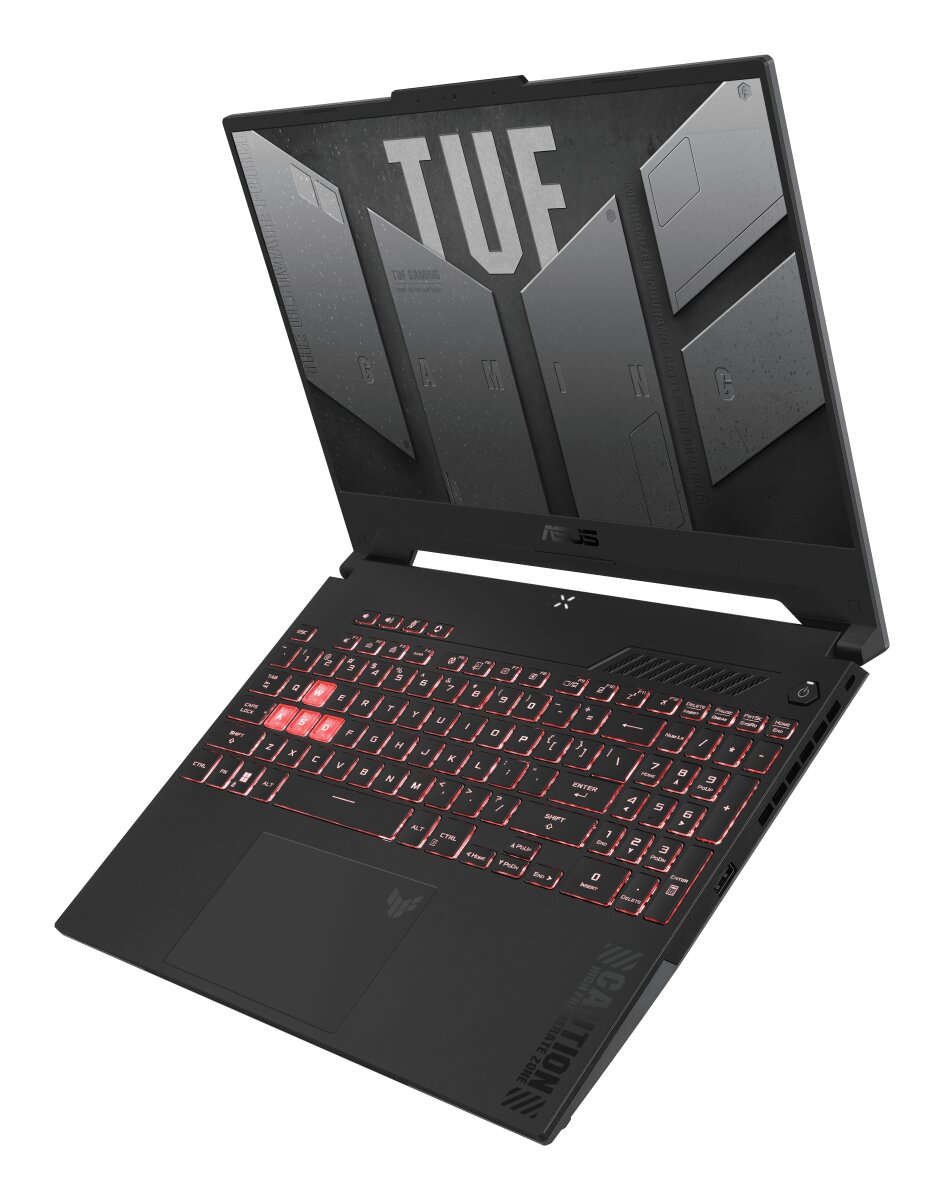
ASUS TUF Gaming A15 FA507NVR-HQ096W laptop memory upgrade specifications include DDR5-SDRAM technology with 2x SO-DIMM slots supporting maximum RAM capacity of 64 GB. Compatible memory modules operate at 4800 MHz frequency. Upgrade options accommodate dual-channel memory configuration for enhanced performance. Specifications define compatible DDR5 SO-DIMM memory modules for system expansion.
Memory Upgrade Specifications
| Specification | Value |
|---|---|
| Memory slots | 2x SO-DIMM |
| Form factor | SO-DIMM |
| Memory type | DDR5-SDRAM |
| Frequency | 4800 MHz |
| Maximum RAM | 64 GB |
| Voltage | 1.1V |
| Number of pins | 262-pin |
| Interface | PC5 |
| PC Speed Rating | PC5-4800 (PC5-38400) |
| Bandwidth | 38.4 GB/s |
Additional Notes
- The ASUS TUF Gaming FA507NVR-HQ096W requires SO-DIMM form factor modules exclusively, which are laptop-specific and not interchangeable with desktop DDR5 UDIMM hardware.
- DDR5-4800 MHz represents the validated speed ceiling; modules rated higher (5600 MHz or beyond) may register at reduced speeds due to platform firmware limitations rather than hardware capability.
- Dual SO-DIMM architecture creates a single point of failure for the entire memory subsystem; loss of either module results in complete system shutdown rather than degraded operation.
- The 64 GB maximum capacity threshold (2 x 32 GB) restricts upgrade headroom; moving to 48 GB configuration (2 x 24 GB) may encounter availability constraints since 24 GB SO-DIMMs remain niche market products.
- DDR5 memory requires higher voltage tolerance and stricter timing parameters than DDR4; mixing modules from different manufacturers or production batches risks stability issues even when both meet DDR5-4800 specifications.
- Warranty coverage typically remains intact for memory upgrades when performed outside manufacturer service channels, provided components meet published compatibility matrices and no physical damage occurs during installation.
- Latency performance between memory and the system controller depends on CPU generation; DDR5-4800 throughput gains offset by higher clock-to-clock latency compared to DDR4, resulting in mixed real-world impact on gaming workloads.