ASUS TUF Gaming FA507NVR-LP005-GAMING RAM upgrade specifications




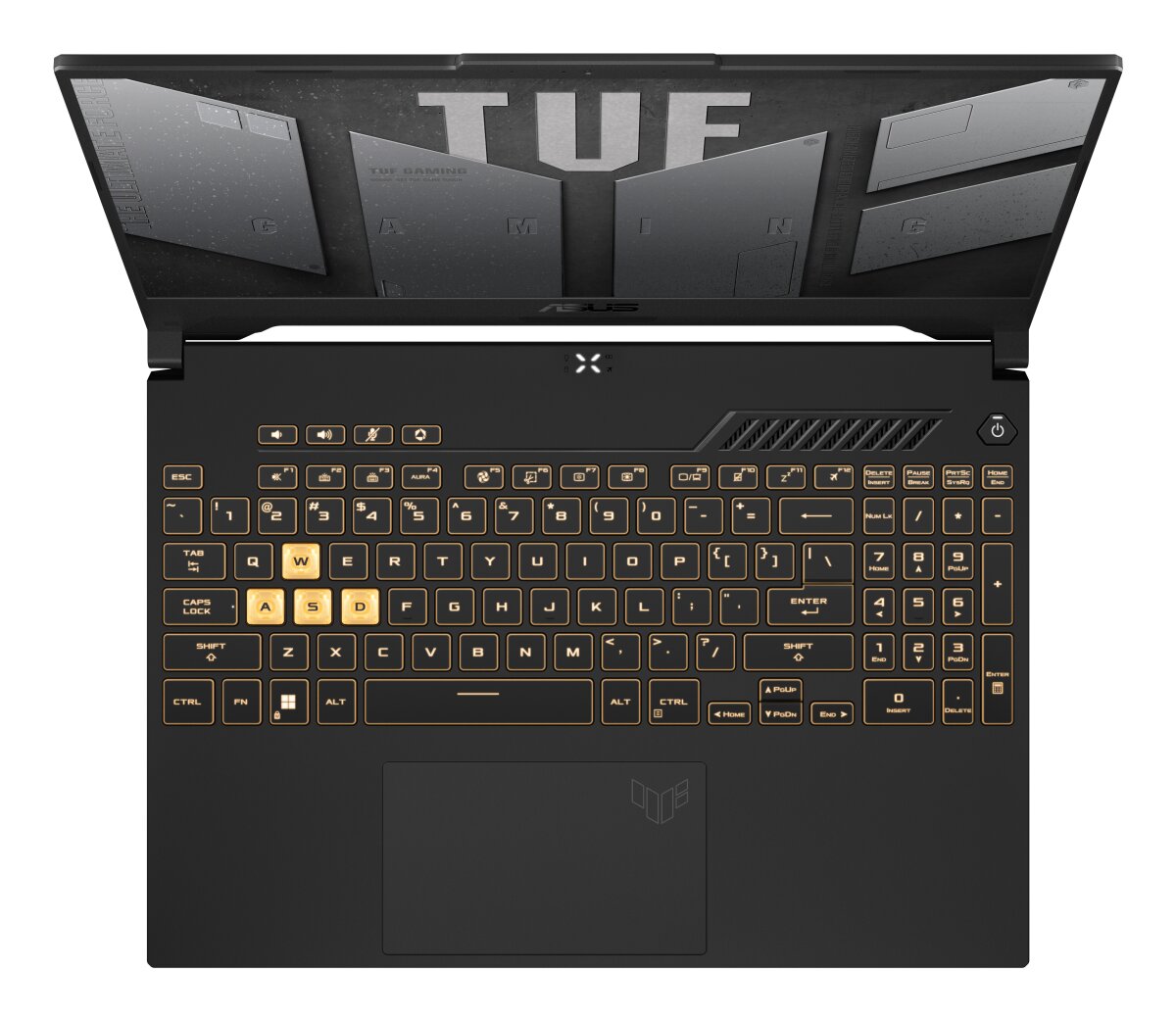
ASUS TUF Gaming A15 FA507NVR-LP005-GAMING laptop features DDR5-SDRAM memory upgrade specifications. The device accommodates 2x SO-DIMM slots supporting maximum RAM capacity of 64 GB. Compatible memory operates at 4800 MHz frequency. Upgrade slots utilize SO-DIMM form factor specifications for memory expansion. This gaming laptop model specifications indicate support for DDR5 memory technology with dual-slot upgrade capabilities, enabling users to expand the maximum compatible RAM configuration to 64 GB total capacity across available memory slots.
Memory Upgrade Specifications
| Specification | Value |
|---|---|
| Memory slots | 2x SO-DIMM |
| Form factor | SO-DIMM |
| Memory type | DDR5-SDRAM |
| Frequency | 4800 MHz |
| Maximum RAM | 64 GB |
| Voltage | 1.1V |
| Number of pins | 262-pin |
| Interface | PC5 |
| PC Speed Rating | PC5-4800 (PC5-38400) |
| Bandwidth | 38.4 GB/s |
Additional Notes
- The DDR5-SDRAM requirement prevents installation of DDR4 modules due to incompatible physical notch positions and voltage differences between generations.
- The 4800 MHz native frequency operates below DDR5's theoretical maximum transfer rates, potentially limiting performance in bandwidth-intensive applications compared to higher-speed DDR5 configurations.
- The 64 GB maximum capacity suggests a dual-channel controller architecture supporting 32 GB modules per slot when populated at highest density.
- SO-DIMM form factor restricts compatibility to laptop-specific memory modules, excluding standard DIMM desktop RAM regardless of technical specifications.
- The ASUS TUF Gaming FA507NVR-LP005-GAMING configuration with 2 available slots allows symmetric dual-channel population for optimal memory bandwidth utilization.
- DDR5 modules require PMIC (Power Management Integrated Circuit) on each stick, adding thermal considerations during sustained workloads compared to DDR4 thermal profiles.
- The 4800 MHz specification represents JEDEC standard speed, meaning XMP/EXPO overclocked modules will typically downclock to this frequency unless BIOS supports higher profiles.
- Module height clearance under the laptop chassis may restrict installation of memory with oversized heat spreaders or non-standard PCB dimensions.
- Mixed-capacity configurations between slots remain functional but may disable interleaving optimizations depending on BIOS implementation.
- ECC SO-DIMM DDR5 modules will physically fit but typically remain incompatible with consumer-grade memory controllers in gaming platforms.
- The dual-slot configuration permits graduated upgrades without immediate full replacement, preserving existing modules during partial capacity expansions.