ASUS TUF Gaming FA507NVR-LP014W RAM upgrade specifications




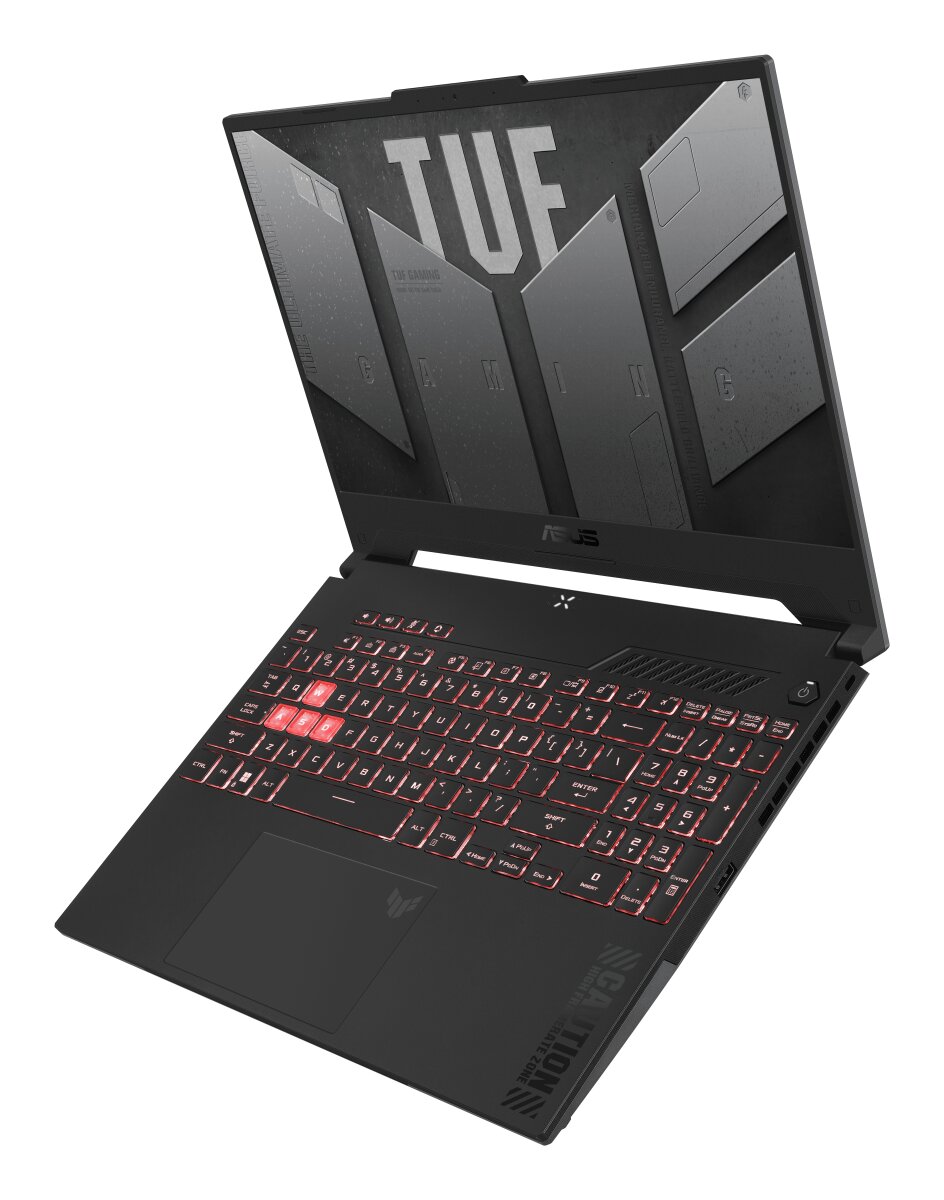
ASUS TUF Gaming A15 FA507NVR-LP014W laptop features DDR5-SDRAM memory with upgrade capacity to 64 GB maximum. The system contains 2x SO-DIMM slots supporting SO-DIMM form factor memory modules. Compatible RAM specifications require DDR5-SDRAM operating at 4800 MHz frequency. Upgrading memory in this model involves replacing or supplementing existing modules within the two available slots. The machine accommodates compatible DDR5 memory upgrades for enhanced multitasking and application performance. Maximum supported RAM capacity reaches 64 GB when both slots are populated with high-capacity modules.
Memory Upgrade Specifications
| Specification | Value |
|---|---|
| Memory slots | 2x SO-DIMM |
| Form factor | SO-DIMM |
| Memory type | DDR5-SDRAM |
| Frequency | 4800 MHz |
| Maximum RAM | 64 GB |
| Voltage | 1.1V |
| Number of pins | 262-pin |
| Interface | PC5 |
| PC Speed Rating | PC5-4800 (PC5-38400) |
| Bandwidth | 38.4 GB/s |
Additional Notes
- The ASUS TUF Gaming FA507NVR-LP014W supports dual-channel memory architecture through its 2 SO-DIMM slots, enabling up to twice the theoretical bandwidth compared to single-channel configurations when both slots are populated with matched modules.
- DDR5-SDRAM backward compatibility with DDR4 modules is not possible due to fundamental differences in pin configuration, voltage requirements, and notch positioning on the SO-DIMM form factor.
- The 64 GB maximum capacity constraint requires 32 GB modules per slot, which limits future expansion beyond current density limitations of consumer SO-DIMM technology.
- Operating frequency at 4800 MHz represents the baseline speed for DDR5 technology, with higher-frequency modules automatically downclocking to this native specification through JEDEC standardization.
- SO-DIMM installation typically requires bottom panel removal, which may involve voiding manufacturer seals depending on regional warranty policies and service documentation.
- Memory channel interleaving operates optimally when both slots contain identical capacity modules, as asymmetric configurations may force the controller into flex mode with reduced performance on the higher-capacity module.
- The 4800 MHz data rate translates to PC5-38400 module designation, which becomes the minimum specification requirement for compatibility verification during procurement.
- Voltage regulation for DDR5 transitions from motherboard-level to module-integrated PMIC chips, meaning defective memory can impact system stability differently than DDR4 architectures.
- Thermal considerations become relevant under sustained workloads, as DDR5 modules generate additional heat compared to previous generations, potentially affecting throttling behavior in thermally constrained chassis designs.
- ECC on-die error correction functions independently of traditional ECC memory modules, providing baseline data integrity without requiring specific ECC SO-DIMM variants for consumer applications.