ASUS TUF Gaming FA507NVR-LP030-GAMING RAM upgrade specifications




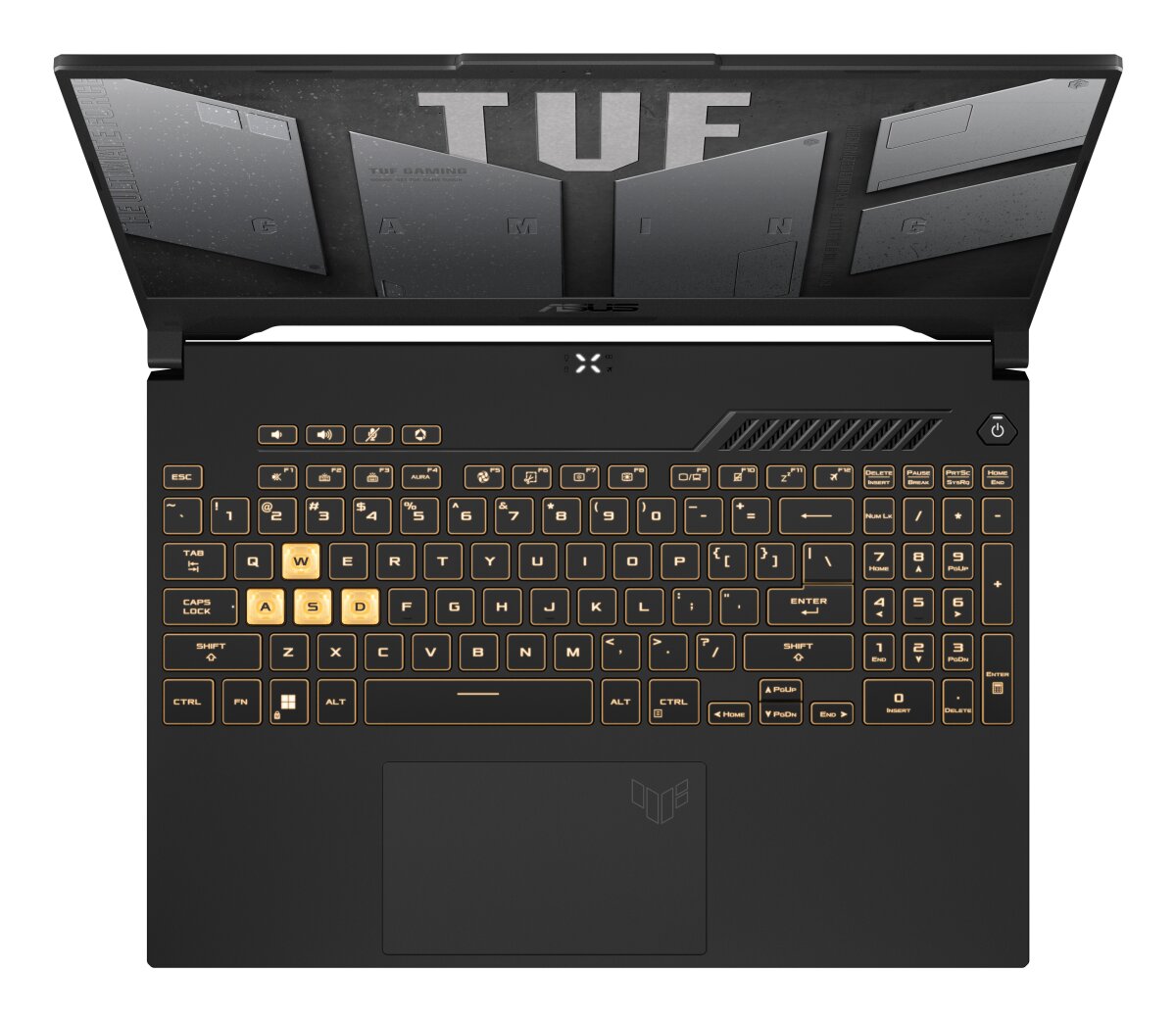
ASUS TUF Gaming A15 FA507NVR-LP030-GAMING RAM upgrade specifications feature DDR5-SDRAM memory compatible with the laptop's 2x SO-DIMM slots. The upgrade supports maximum capacity of 64 GB total memory, with SO-DIMM form factor modules operating at 4800 MHz frequency. Compatible upgrade options include DDR5 memory modules configured as dual-channel pairs to achieve maximum specifications.
Memory Upgrade Specifications
| Specification | Value |
|---|---|
| Memory slots | 2x SO-DIMM |
| Form factor | SO-DIMM |
| Memory type | DDR5-SDRAM |
| Frequency | 4800 MHz |
| Maximum RAM | 64 GB |
| Voltage | 1.1V |
| Number of pins | 262-pin |
| Interface | PC5 |
| PC Speed Rating | PC5-4800 (PC5-38400) |
| Bandwidth | 38.4 GB/s |
Additional Notes
- The presence of 2 SO-DIMM slots confirms that reaching the maximum capacity requires a matched pair of 32 GB modules to ensure dual-channel bandwidth and peak memory controller efficiency.
- Operating at 4800 MHz on the DDR5 protocol provides significant latency improvements and base throughput increases over previous generation DDR4 systems found in older Asus TUF Gaming FA507NVR-LP030-GAMING iterations.
- The hardware architecture utilizes a removable module design instead of soldered memory, allowing for total replacement of factory components if a module fails after the warranty period.
- Installing modules with speeds exceeding 4800 MHz will result in an automatic downclocking to the system-defined frequency limit governed by the processor bios.
- Upgrading memory requires ground protection and specialized plastic pry tools to prevent damage to the internal chassis clips and sensitive electrostatic components during bottom panel removal.
- High density 64 GB configurations permit intensive multitasking environments such as simultaneous gaming, streaming, and background virtualization without hitting swap file bottlenecks on the storage drive.
- Matching the internal timings and voltage of replacement modules is essential to maintain system stability and prevent boot failures or blue screen errors during heavy thermal loads.