ASUS TUF Gaming FA507NVR-LP031-GAMING RAM upgrade specifications




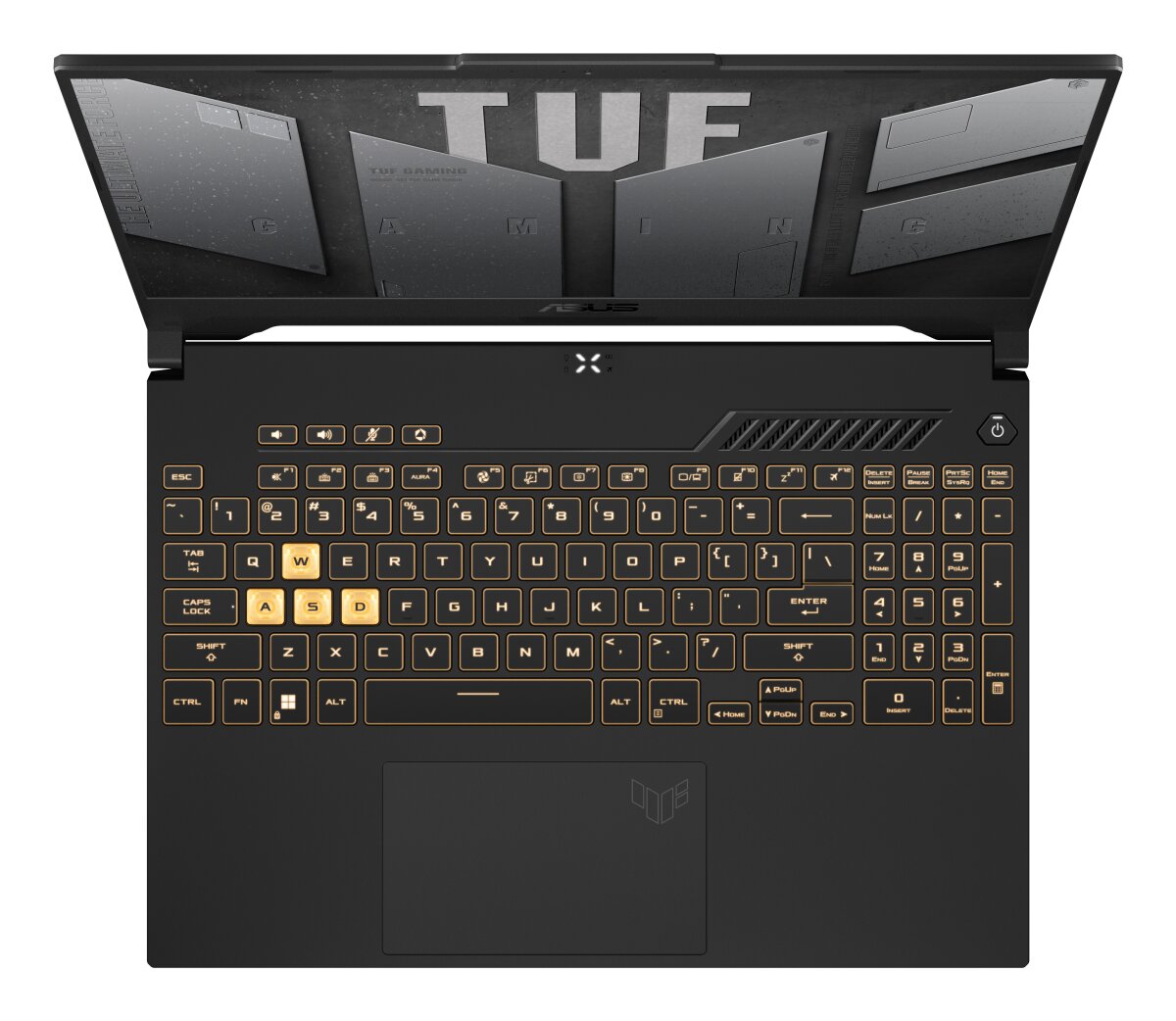
ASUS TUF Gaming A15 FA507NVR-LP031-GAMING laptop features two SO-DIMM slots for memory upgrade compatibility. The system supports DDR5-SDRAM memory operating at 4800 MHz frequency. Maximum RAM capacity reaches 64 GB, allowing users to upgrade from factory-installed configurations. Compatible memory modules must meet SO-DIMM form factor specifications for proper installation in available slots. Current memory specifications and upgrade paths enable enhanced multitasking and performance capabilities for gaming and professional applications.
Memory Upgrade Specifications
| Specification | Value |
|---|---|
| Memory slots | 2x SO-DIMM |
| Form factor | SO-DIMM |
| Memory type | DDR5-SDRAM |
| Frequency | 4800 MHz |
| Maximum RAM | 64 GB |
| Voltage | 1.1V |
| Number of pins | 262-pin |
| Interface | PC5 |
| PC Speed Rating | PC5-4800 (PC5-38400) |
| Bandwidth | 38.4 GB/s |
Additional Notes
- The ASUS TUF Gaming FA507NVR-LP031-GAMING utilizes a dual-slot SO-DIMM configuration, which means a single defective module can be replaced without full memory removal, but both slots must be populated simultaneously for dual-channel operation to function.
- DDR5-4800 MHz modules represent the baseline JEDEC standard for this generation; faster XMP/EXPO profiles (5600 MHz and beyond) may operate within the 64 GB ceiling but require manual BIOS enablement and void certain manufacturer support guarantees depending on regional warranty policies.
- The 64 GB maximum capacity creates a practical ceiling for content creation and virtualization workloads; upgrading beyond 32 GB necessitates purchasing matched pairs of 32 GB SO-DIMMs, which carry premium pricing compared to 16 GB modules.
- SO-DIMM slots occupy confined physical space within the chassis; thermal interference from adjacent M.2 storage or cooling solutions may restrict installation of modules with oversized heatspreaders, particularly those exceeding 12 mm in thickness.
- Mixing memory frequencies within the dual-channel pair forces both modules to operate at the lower frequency; installing a 4800 MHz module alongside a 5600 MHz module results in both running at 4800 MHz, eliminating the performance advantage of the faster chip.
- DDR5 SO-DIMM availability in single-module configurations remains limited in retail channels; users upgrading from 16 GB to 48 GB or 64 GB must source matched pairs, complicating phased upgrade strategies.