ASUS TUF Gaming FA507NVR-LP147-GAMING RAM upgrade specifications




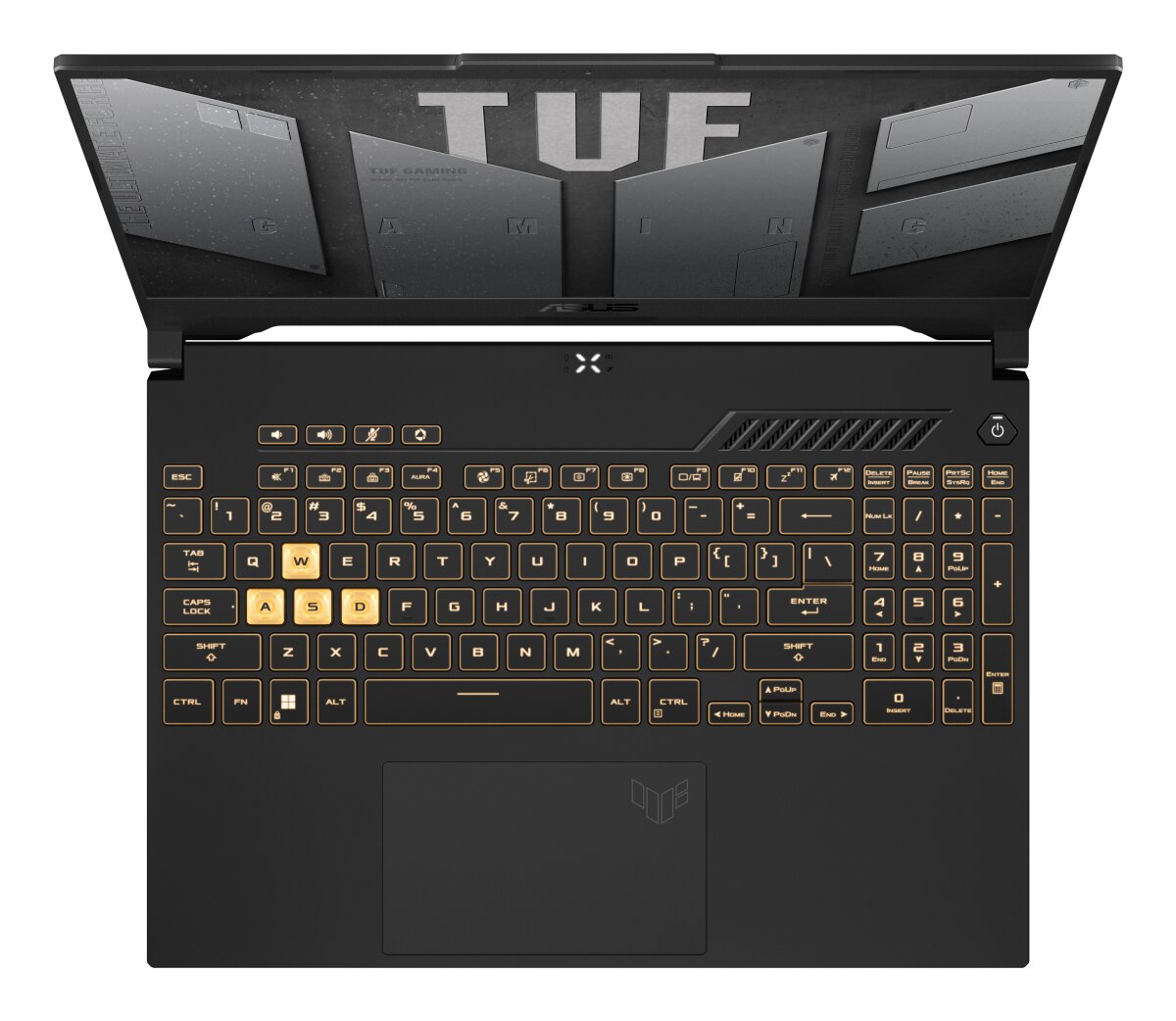
ASUS TUF Gaming A15 series model FA507NVR-LP147-GAMING supports DDR5-SDRAM memory upgrades. The laptop contains 2x SO-DIMM slots for RAM expansion. Maximum compatible memory capacity reaches 32 GB total. Supported memory frequency specifications operate at 4800 MHz. SO-DIMM form factor modules are required for compatible upgrades. RAM specifications indicate DDR5 technology integration for performance-oriented gaming configurations.
Memory Upgrade Specifications
| Specification | Value |
|---|---|
| Memory slots | 2x SO-DIMM |
| Form factor | SO-DIMM |
| Memory type | DDR5-SDRAM |
| Frequency | 4800 MHz |
| Maximum RAM | 32 GB |
| Voltage | 1.1V |
| Number of pins | 262-pin |
| Interface | PC5 |
| PC Speed Rating | PC5-4800 (PC5-38400) |
| Bandwidth | 38.4 GB/s |
Additional Notes
- The ASUS TUF Gaming FA507NVR-LP147-GAMING imposes a 32 GB total memory ceiling, restricting maximum module density to 16 GB per slot regardless of higher-capacity DDR5 SO-DIMMs becoming available.
- DDR5-4800 represents the JEDEC baseline specification, leaving substantial headroom for XMP/EXPO overclocking profiles that could push effective speeds to 5600 MHz or beyond if the chipset and BIOS support such configurations.
- The dual-channel SO-DIMM architecture requires matched pairs for optimal bandwidth utilization, as mismatched capacities or speeds will force the memory controller to operate at the lowest common denominator.
- Warranty preservation typically mandates non-destructive installation procedures, meaning module replacement must avoid breaking factory seals on critical chassis sections or disconnecting ribbon cables flagged with tamper-evident markers.
- DDR5's on-DIMM voltage regulation complicates thermal management compared to DDR4, as each module generates localized heat that depends on adequate chassis ventilation rather than centralized motherboard regulation.
- The 4800 MHz native speed establishes a baseline latency profile, but real-world responsiveness depends on CAS latency timings that manufacturers do not always expose in compatibility documentation.
- Mixing modules from different production batches risks stability issues even when specifications match, as DDR5's tighter tolerances amplify minor variations in die revision or power delivery characteristics.
- The SO-DIMM form factor physically prevents installation of standard DIMM modules, eliminating any workaround attempts to use desktop memory components despite identical electrical specifications.
- Future capacity expansion beyond 32 GB would require motherboard replacement, as the memory controller's addressing capability is fixed in silicon and cannot be modified through firmware updates.
- Single-rank versus dual-rank module architecture affects interleaving efficiency, with dual-rank configurations often providing 5 to 15 percent performance gains in bandwidth-sensitive workloads despite identical clock speeds.