ASUS TUF Gaming FA507RC-HN034W RAM upgrade specifications

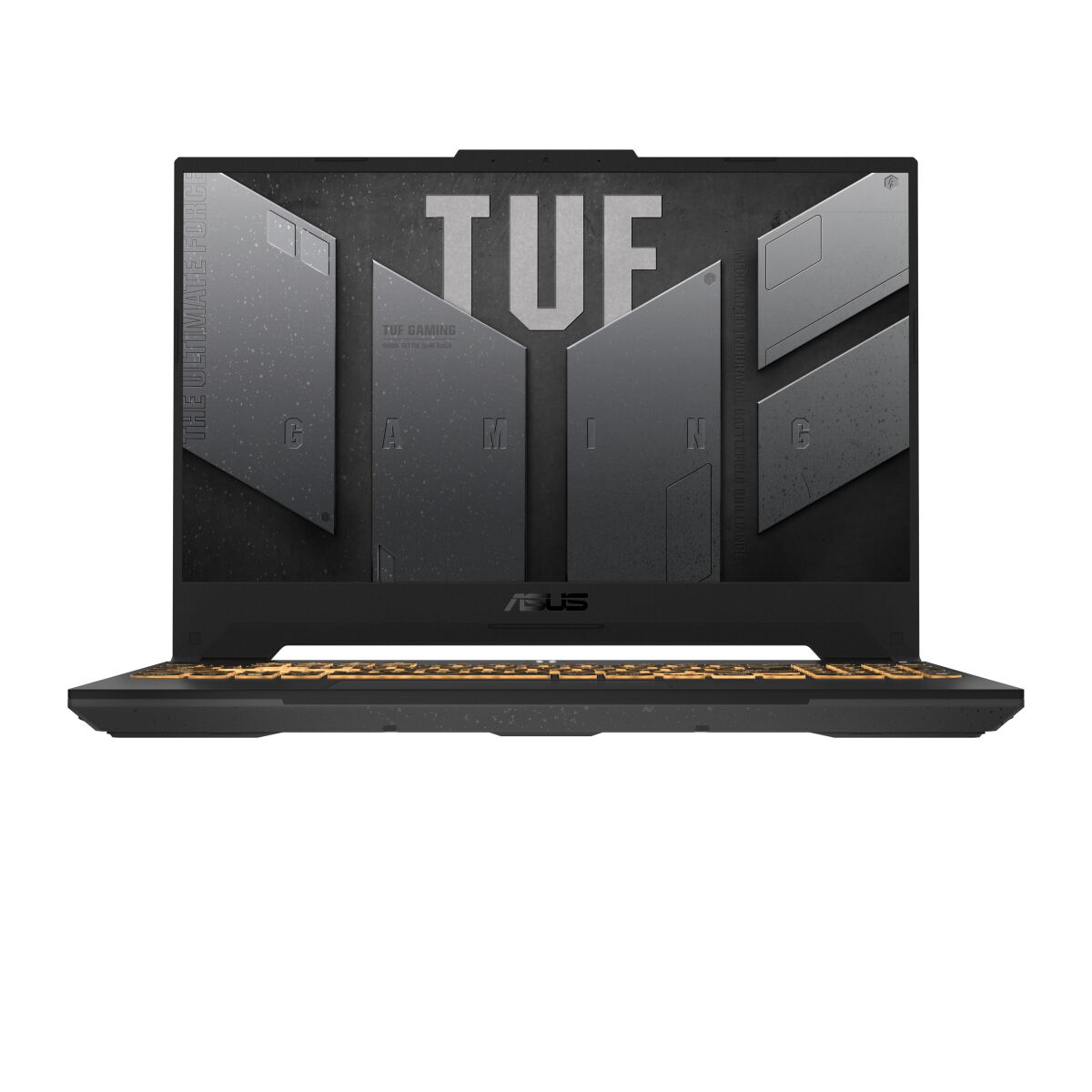


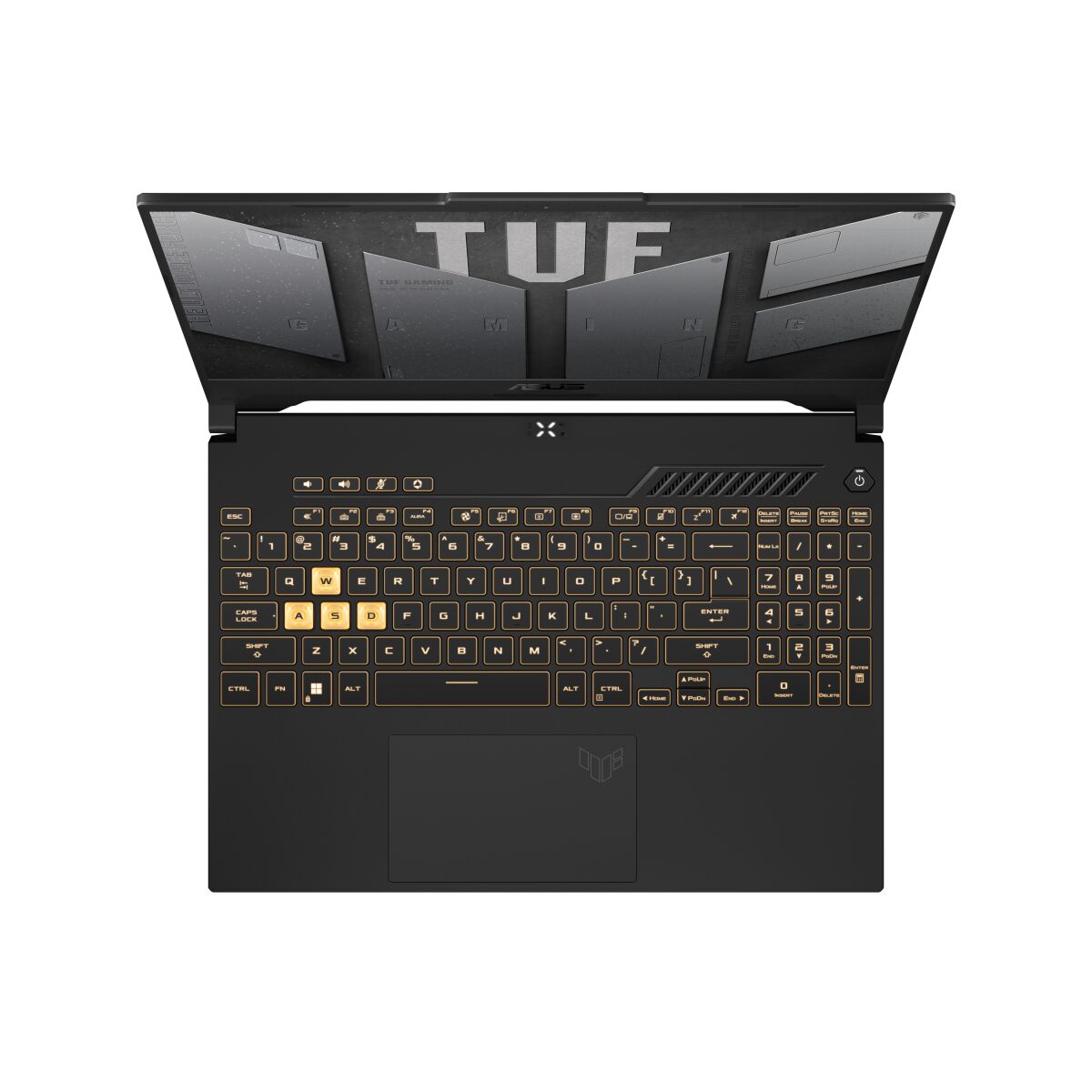
ASUS TUF Gaming A15 FA507RC-HN034W features DDR5-SDRAM memory upgrade specifications. The laptop contains two SO-DIMM slots for RAM expansion. Maximum memory capacity reaches 32 GB total. Compatible memory modules operate at 4800 MHz frequency. SO-DIMM form factor specifications apply to all compatible upgrades. Current memory configuration and available slot capacity determine compatible upgrade options for this gaming laptop model.
Memory Upgrade Specifications
| Specification | Value |
|---|---|
| Memory slots | 2x SO-DIMM |
| Form factor | SO-DIMM |
| Memory type | DDR5-SDRAM |
| Frequency | 4800 MHz |
| Maximum RAM | 32 GB |
| Voltage | 1.1V |
| Number of pins | 262-pin |
| Interface | PC5 |
| PC Speed Rating | PC5-4800 (PC5-38400) |
| Bandwidth | 38.4 GB/s |
| Laptop Release date | 31 January 2022 |
Additional Notes
- The ASUS TUF Gaming FA507RC-HN034W accepts only DDR5 modules, rendering all DDR4 inventory incompatible due to different notch positions and voltage requirements.
- The 32 GB ceiling requires either a single 32 GB module or dual 16 GB modules, as 2 slots cannot accommodate higher-density configurations.
- DDR5 operates at 1.1V compared to DDR4's 1.2V, reducing heat output but requiring specific module compatibility verification with Ryzen mobile platforms.
- The 4800 MHz specification represents JEDEC standard speed for DDR5, meaning faster kits rated at 5200 MHz or 5600 MHz will downclock to this frequency.
- SO-DIMM form factor prohibits installation of standard desktop DIMM modules due to physical length differences of 67.6 mm versus 133.35 mm.
- Dual-channel operation necessitates matched pairs for optimal memory bandwidth, as mismatched capacities force single-channel mode on the smaller module's capacity across both slots.
- ECC SO-DIMM modules physically fit but remain unsupported in consumer TUF Gaming platforms, wasting error correction overhead without activation.
- The 2-slot configuration limits future expansion compared to 4-slot designs, making initial capacity selection critical for longevity.
- DDR5's on-die ECC differs from full ECC unbuffered modules, providing internal data integrity without OS-level reporting or guarantees.
- Mixing modules from different manufacturers may cause training failures during POST due to varying XMP profile implementations, despite identical speed ratings.
- Access to memory slots typically requires complete bottom panel removal in TUF chassis designs, complicating field upgrades compared to dedicated access doors.
- Warranty preservation depends on using non-conductive tools and avoiding force during latch manipulation, as bent SO-DIMM pins void coverage.
- The platform's integrated memory controller in the AMD processor determines actual supported speeds, potentially limiting advertised module frequencies.
- Latency specifications beyond CAS 40 offer minimal real-world performance gains at 4800 MHz due to bandwidth saturation in gaming workloads.
- Single-rank versus dual-rank module architecture affects interleaving efficiency, with dual-rank configurations providing marginal throughput improvements in memory-intensive tasks.