ASUS TUF Gaming FA507RC-HN056W-BE RAM upgrade specifications
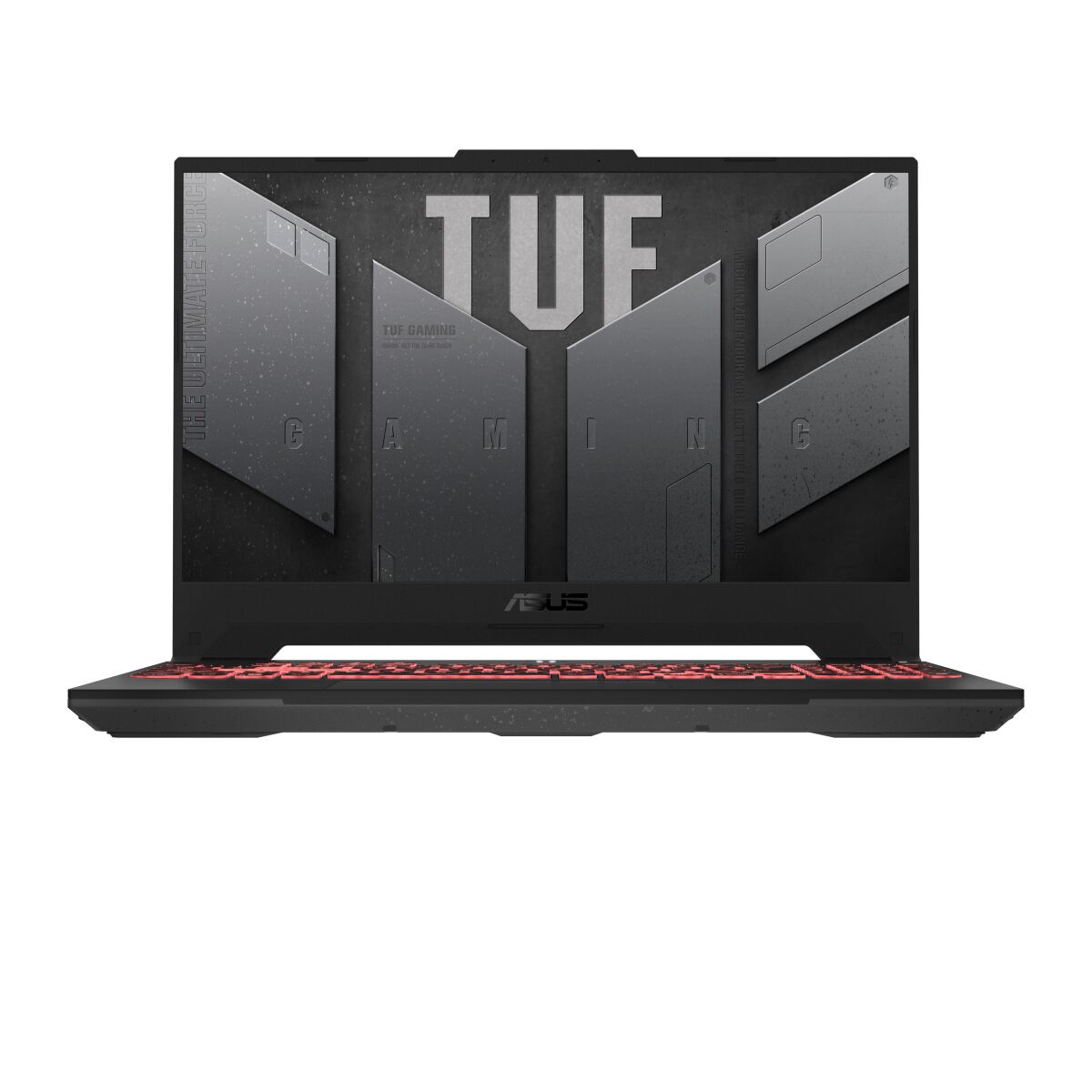



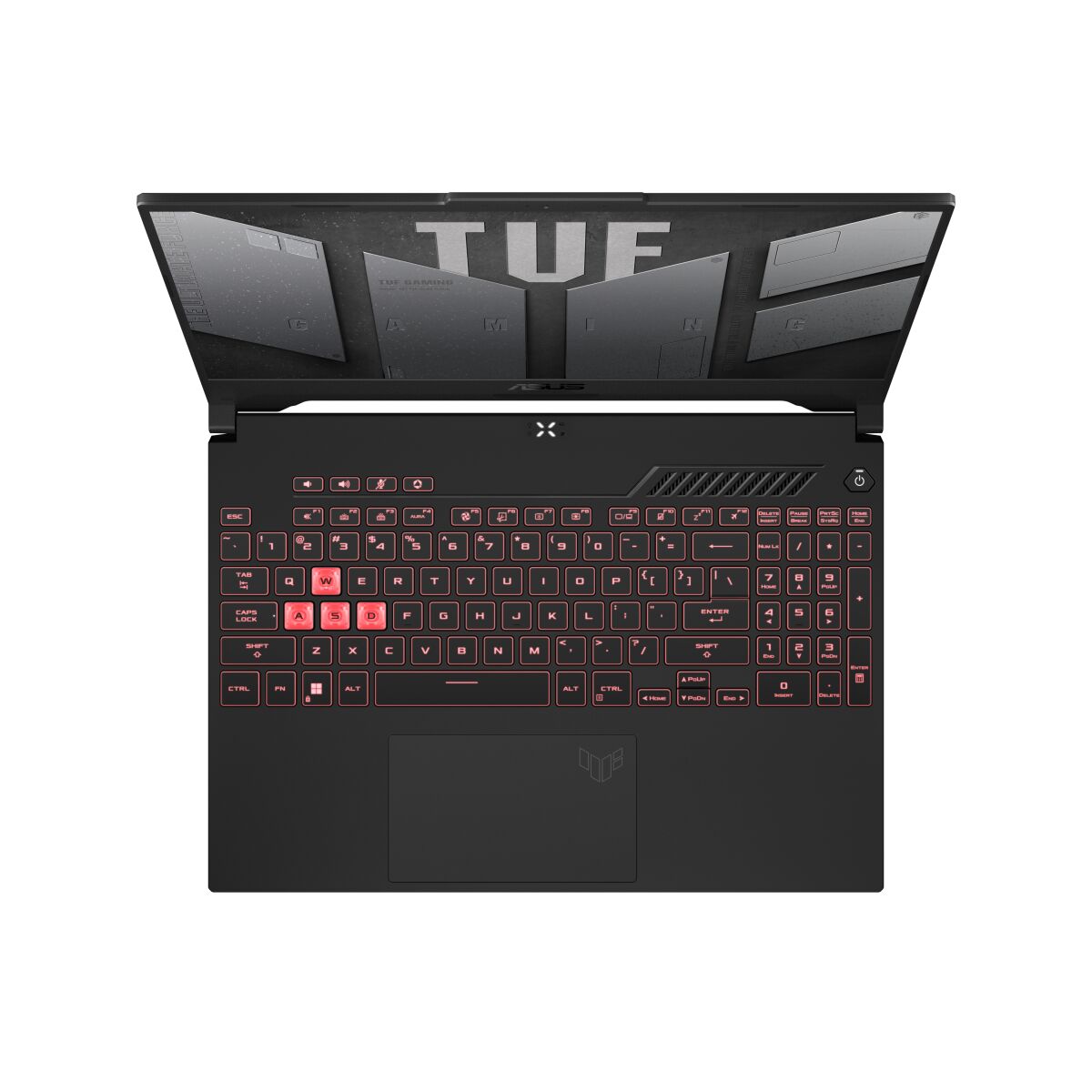
The ASUS TUF Gaming A15 FA507RC-HN056W-BE laptop features DDR5-SDRAM memory upgrade capabilities with 2x SO-DIMM slots supporting maximum RAM capacity of 32 GB. Compatible memory modules operate at 4800 MHz frequency using SO-DIMM form factor. Specifications indicate dual-slot configuration allowing memory expansion for enhanced system performance and multitasking capability in gaming and professional applications.
Memory Upgrade Specifications
| Specification | Value |
|---|---|
| Memory slots | 2x SO-DIMM |
| Form factor | SO-DIMM |
| Memory type | DDR5-SDRAM |
| Frequency | 4800 MHz |
| Maximum RAM | 32 GB |
| Voltage | 1.1V |
| Number of pins | 262-pin |
| Interface | PC5 |
| PC Speed Rating | PC5-4800 (PC5-38400) |
| Bandwidth | 38.4 GB/s |
| Laptop Release date | 10 January 2022 |
Additional Notes
- The ASUS TUF Gaming FA507RC-HN056W-BE features a 32 GB memory ceiling determined by the chipset architecture rather than physical slot availability, meaning that attempting to install 2x32 GB modules would result in unrecognized capacity or system instability.
- The 4800 MHz specification represents JEDEC standard DDR5 base frequency, indicating the system will automatically downclock higher-speed modules (5200 MHz, 5600 MHz, or beyond) to this baseline unless BIOS settings allow XMP/EXPO profile activation.
- DDR5 architecture mandates on-module voltage regulation and error correction, eliminating compatibility with DDR4 modules despite identical SO-DIMM physical dimensions, as the notch position differs to prevent improper installation.
- Dual SO-DIMM configuration enables dual-channel operation when matched modules occupy both slots, delivering twice the memory bandwidth compared to single-module configurations and directly impacting integrated graphics performance in hybrid GPU scenarios.
- The 262-pin SO-DIMM standard requires modules with 1.1V operating voltage specific to DDR5, as DDR4's 1.2V specification creates electrical incompatibility even if physical installation were possible.
- Gaming laptops typically solder no memory components on this configuration, allowing full capacity replacement without wasting pre-installed modules, though verification of soldered versus socketed implementation affects upgrade economics.
- Upgrading beyond factory-installed capacity on gaming models often maintains warranty validity when using manufacturer-approved specifications, though chassis disassembly for access may void seals depending on regional consumer protection laws.
- The 4800 MHz frequency floor represents a 50% bandwidth increase over DDR4-3200 MHz per channel, though real-world latency differences favor DDR4 in absolute nanosecond timings despite DDR5's superior throughput.
- Mixing module capacities across the 2 slots (such as 16 GB plus 8 GB) triggers flex mode operation, where only the matched portion runs in dual-channel while excess capacity reverts to single-channel, creating asymmetric performance zones.
- Heat dissipation requirements for DDR5 modules sometimes include integrated heat spreaders that increase module height beyond JEDEC baseline specifications, potentially causing interference with keyboard assemblies or cooling systems in slim gaming chassis designs.