ASUS TUF Gaming FA507RE-HN034 RAM upgrade specifications



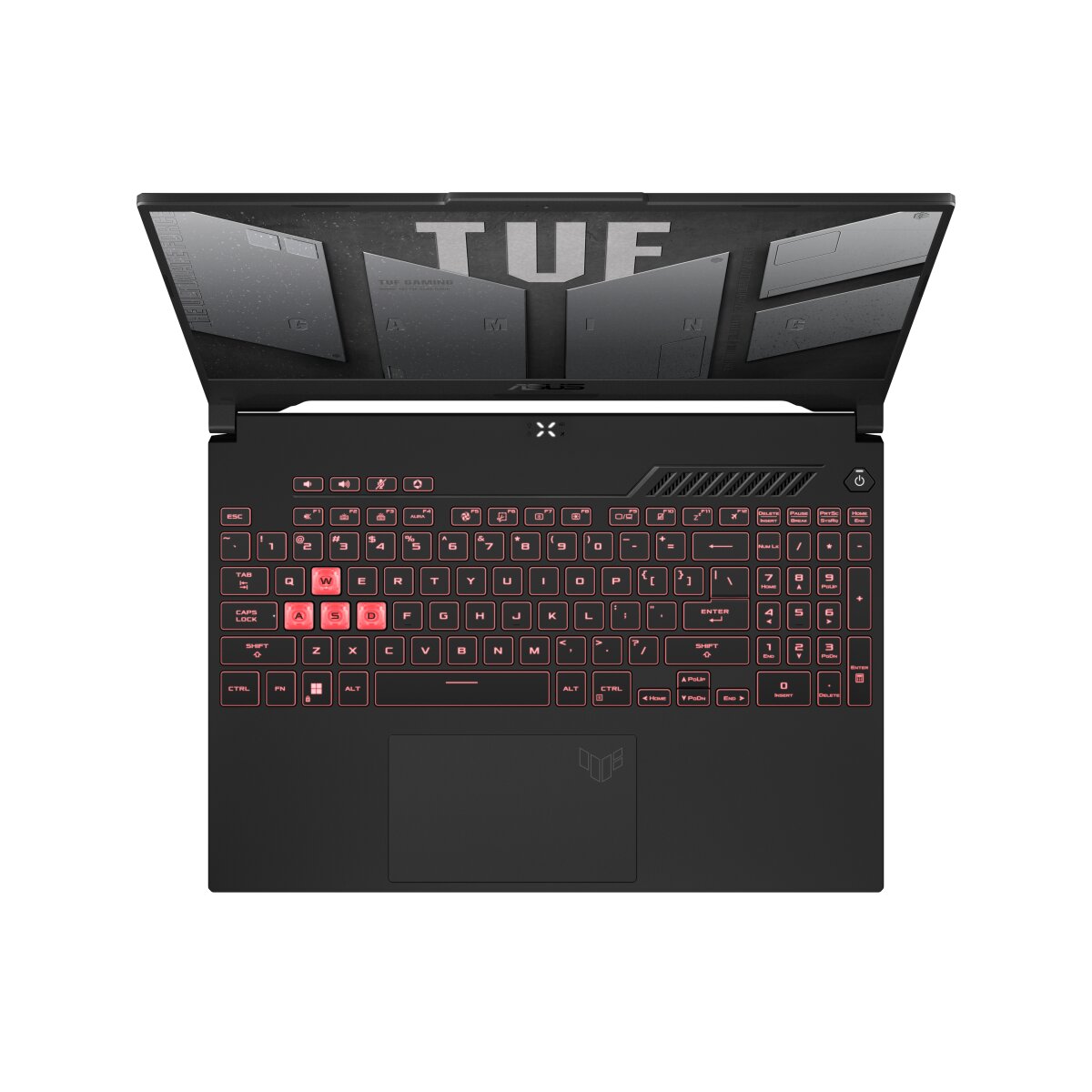

ASUS TUF Gaming A15 FA507RE-HN034 upgrade specifications indicate DDR5-SDRAM memory compatibility. Laptop contains 2x SO-DIMM slots supporting maximum RAM capacity of 32 GB. Memory operates at 4800 MHz frequency. Compatible SO-DIMM form factor modules enable RAM upgrade configurations for enhanced performance capabilities on this gaming notebook model.
Memory Upgrade Specifications
| Specification | Value |
|---|---|
| Memory slots | 2x SO-DIMM |
| Form factor | SO-DIMM |
| Memory type | DDR5-SDRAM |
| Frequency | 4800 MHz |
| Maximum RAM | 32 GB |
| Voltage | 1.1V |
| Number of pins | 262-pin |
| Interface | PC5 |
| PC Speed Rating | PC5-4800 (PC5-38400) |
| Bandwidth | 38.4 GB/s |
| Laptop Release date | 31 March 2022 |
Additional Notes
- The ASUS TUF Gaming FA507RE-HN034 employs SO-DIMM slots rather than soldered memory, preserving user serviceability without voiding manufacturer coverage through authorized module replacement.
- DDR5-4800 represents the baseline JEDEC specification for this generation, meaning modules rated at higher frequencies will downclock to 4800 MHz due to controller limitations in the platform.
- The 32 GB ceiling requires dual 16 GB modules in matched configuration, as asymmetric population would forfeit dual-channel bandwidth advantages critical for integrated graphics workloads.
- DDR5 architecture mandates on-die ECC and dual-channel operation per module, inherently reducing data corruption compared to DDR4 implementations without requiring explicit ECC module selection.
- Thermal constraints in gaming chassis designs may throttle sustained memory-intensive operations when both slots operate at maximum capacity, particularly during concurrent CPU and GPU loads.
- Module height specifications become critical in this form factor, as low-profile SO-DIMMs measuring 30 mm prevent clearance conflicts with heat spreaders or thermal management components in the cramped laptop interior.
- Non-binary capacity configurations such as 12 GB or 24 GB total require unequal module pairing, which maintains compatibility but sacrifices interleaved memory access patterns that optimize bandwidth delivery.
- Voltage regulation for DDR5 shifts from motherboard to module-level power management ICs, reducing compatibility issues but increasing sensitivity to quality variances between manufacturer implementations.
- The 4800 MHz data rate delivers 38.4 GB/s theoretical bandwidth per channel, though real-world latency penalties from DDR5's longer CAS timings partially offset raw throughput gains versus DDR4-3200 predecessors.