ASUS TUF Gaming FA507RE-HN053W RAM upgrade specifications



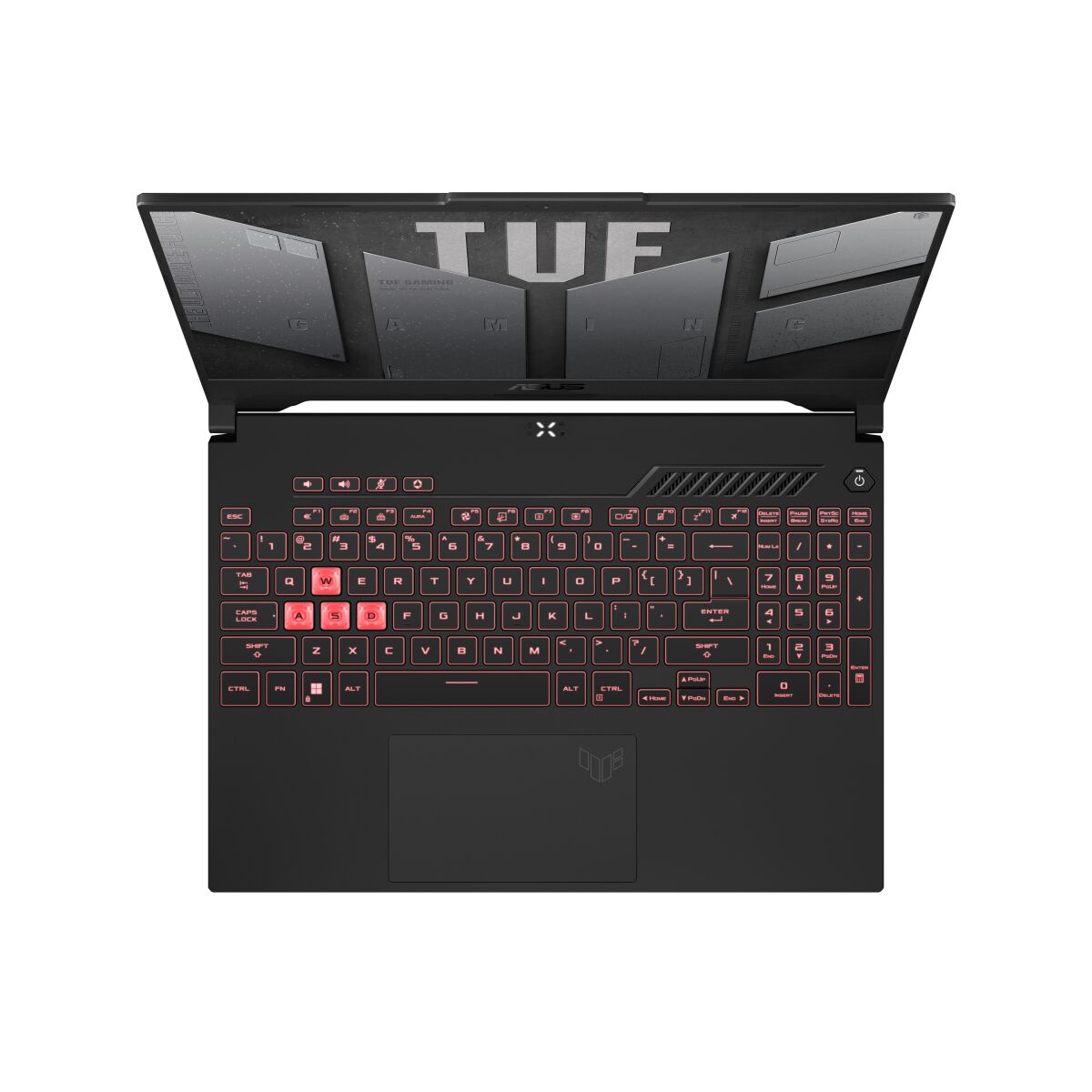

The ASUS TUF Gaming A15 FA507RE-HN053W features DDR5-SDRAM memory upgrade specifications with two SO-DIMM slots supporting maximum RAM capacity of 32 GB. Compatible memory modules operate at 4800 MHz frequency. The laptop's memory configuration allows for dual-slot upgrades utilizing DDR5 technology. Specifications indicate SO-DIMM form factor modules are required for compatible RAM upgrades on this ASUS gaming model.
Memory Upgrade Specifications
| Specification | Value |
|---|---|
| Memory slots | 2x SO-DIMM |
| Form factor | SO-DIMM |
| Memory type | DDR5-SDRAM |
| Frequency | 4800 MHz |
| Maximum RAM | 32 GB |
| Voltage | 1.1V |
| Number of pins | 262-pin |
| Interface | PC5 |
| PC Speed Rating | PC5-4800 (PC5-38400) |
| Bandwidth | 38.4 GB/s |
| Laptop Release date | 18 January 2022 |
Additional Notes
- Dual channel architecture requires matching memory modules to reach peak bandwidth for the integrated graphics processor.
- The 32 GB capacity limit indicates the motherboard firmware does not officially support denser 32 GB modules in each slot.
- Installation of memory modules with lower latency timings than the factory defaults will result in the system downclocking to the slowest common denominator among active sticks.
- Accessing the SO-DIMM slots on the ASUS TUF Gaming FA507RE-HN053W necessitates the removal of the entire bottom chassis panel which exposes internal components to potential electrostatic discharge.
- The transition to the 4800 MHz DDR5 standard introduces on-die Error Correction Code which improves system stability during long gaming sessions without requiring server-grade buffered memory.
- Power efficiency is improved over previous generations because the voltage regulation for the RAM is managed directly on the module rather than by the laptop motherboard.
- Thermal constraints within the chassis suggest that memory modules with tall integrated heat spreaders will likely interfere with the bottom cover clearance.
- Storage of previous DDR4 modules for use in this system is impossible due to the physical notch placement and voltage differences inherent to the DDR5 interface.