ASUS TUF Gaming FA507RE-HN061W RAM upgrade specifications
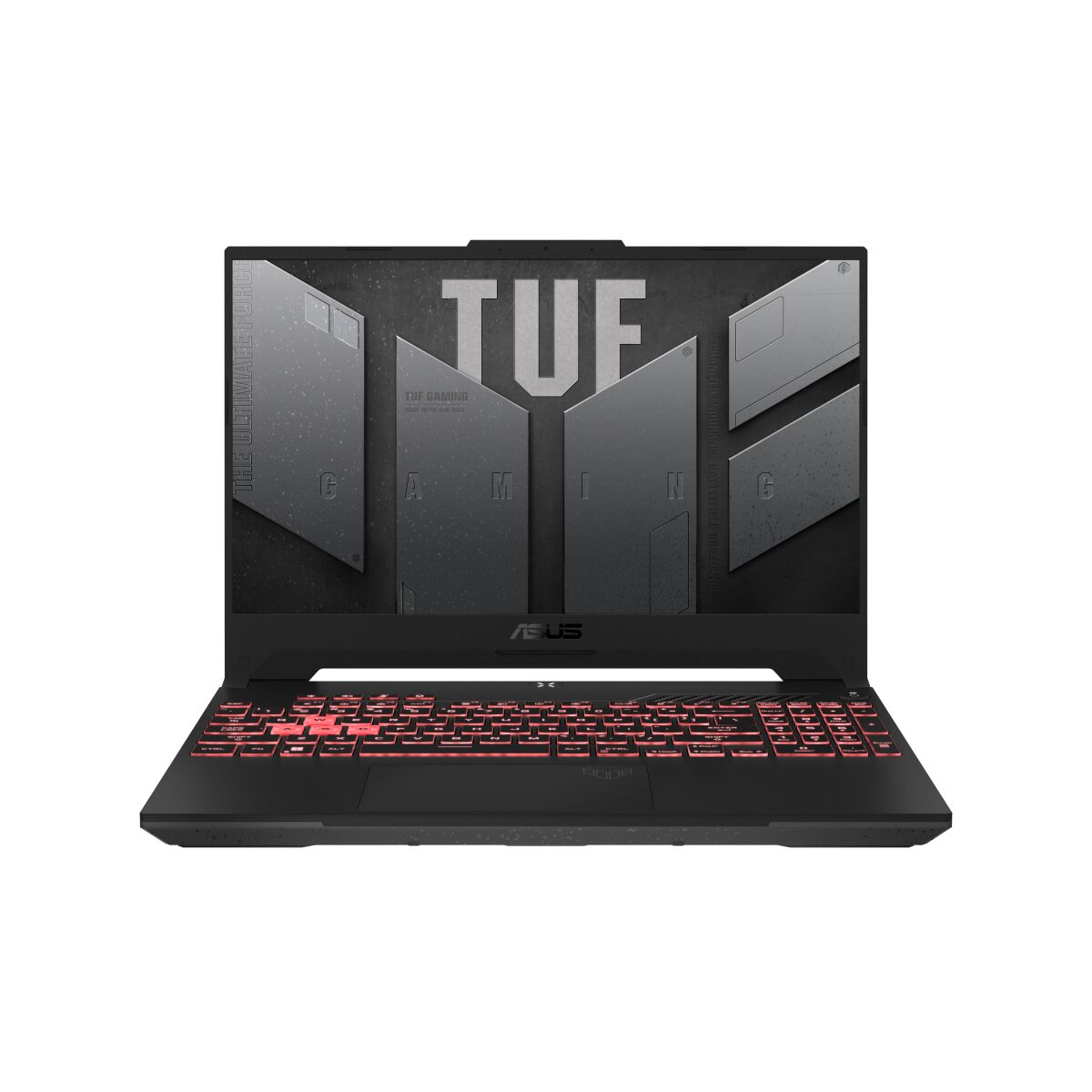
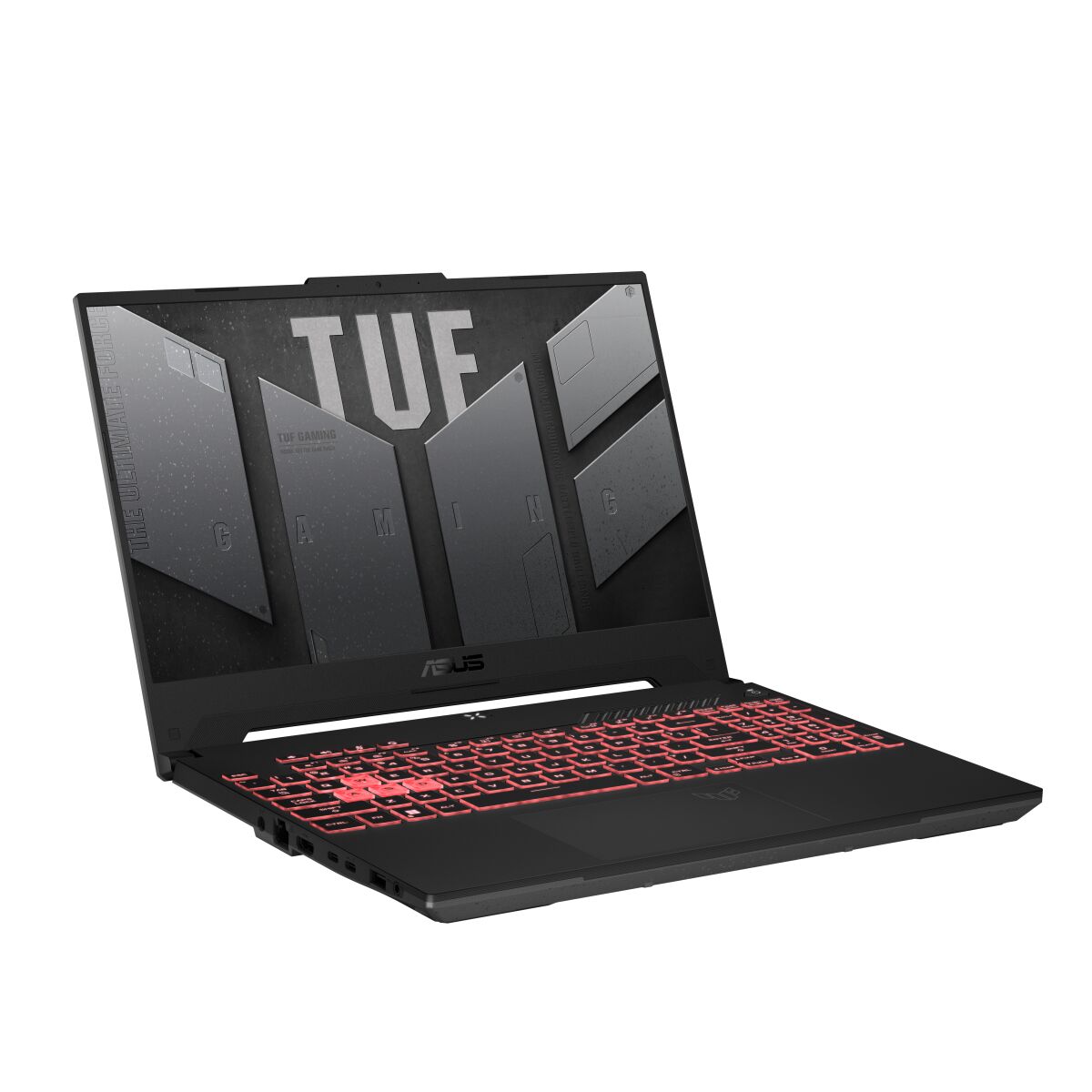
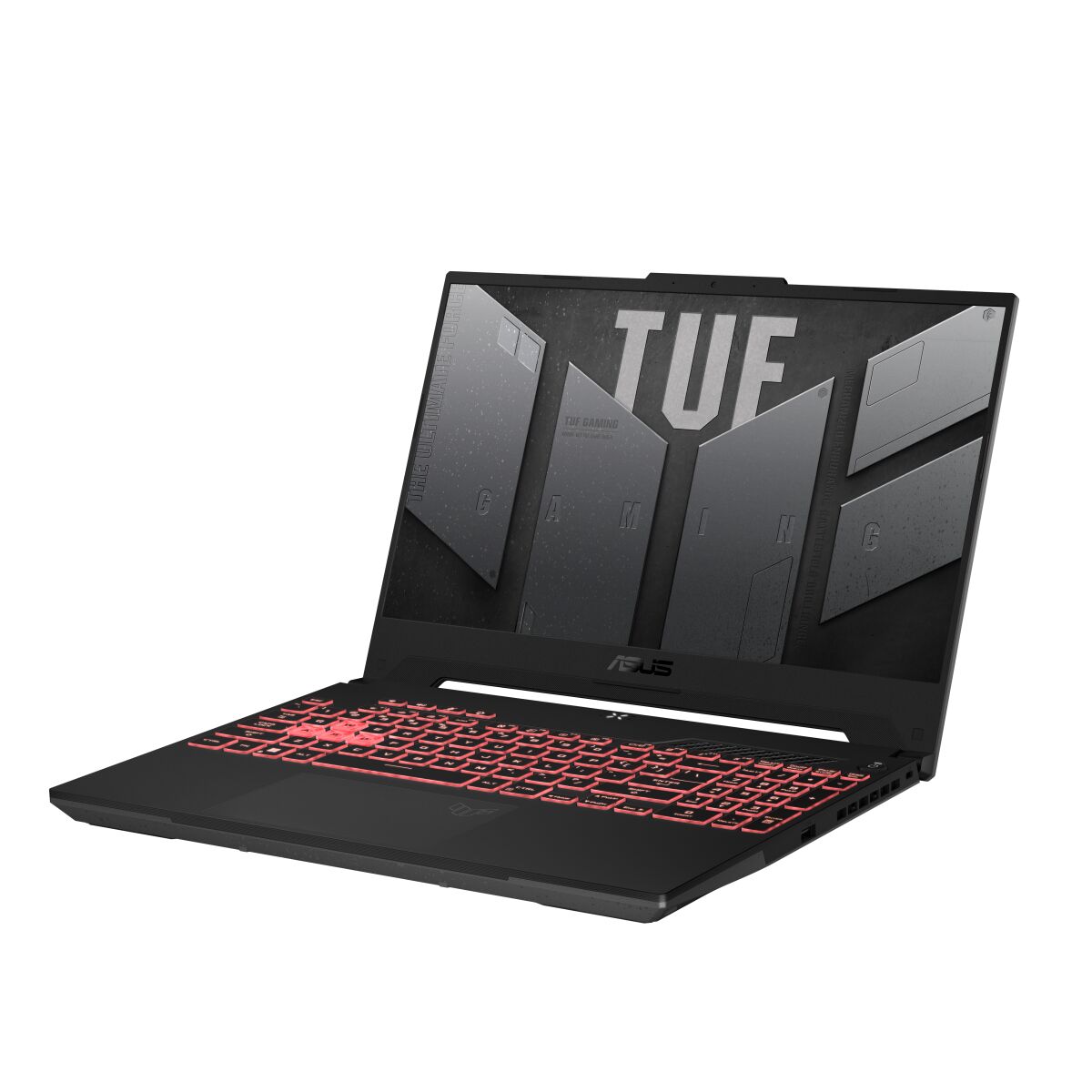
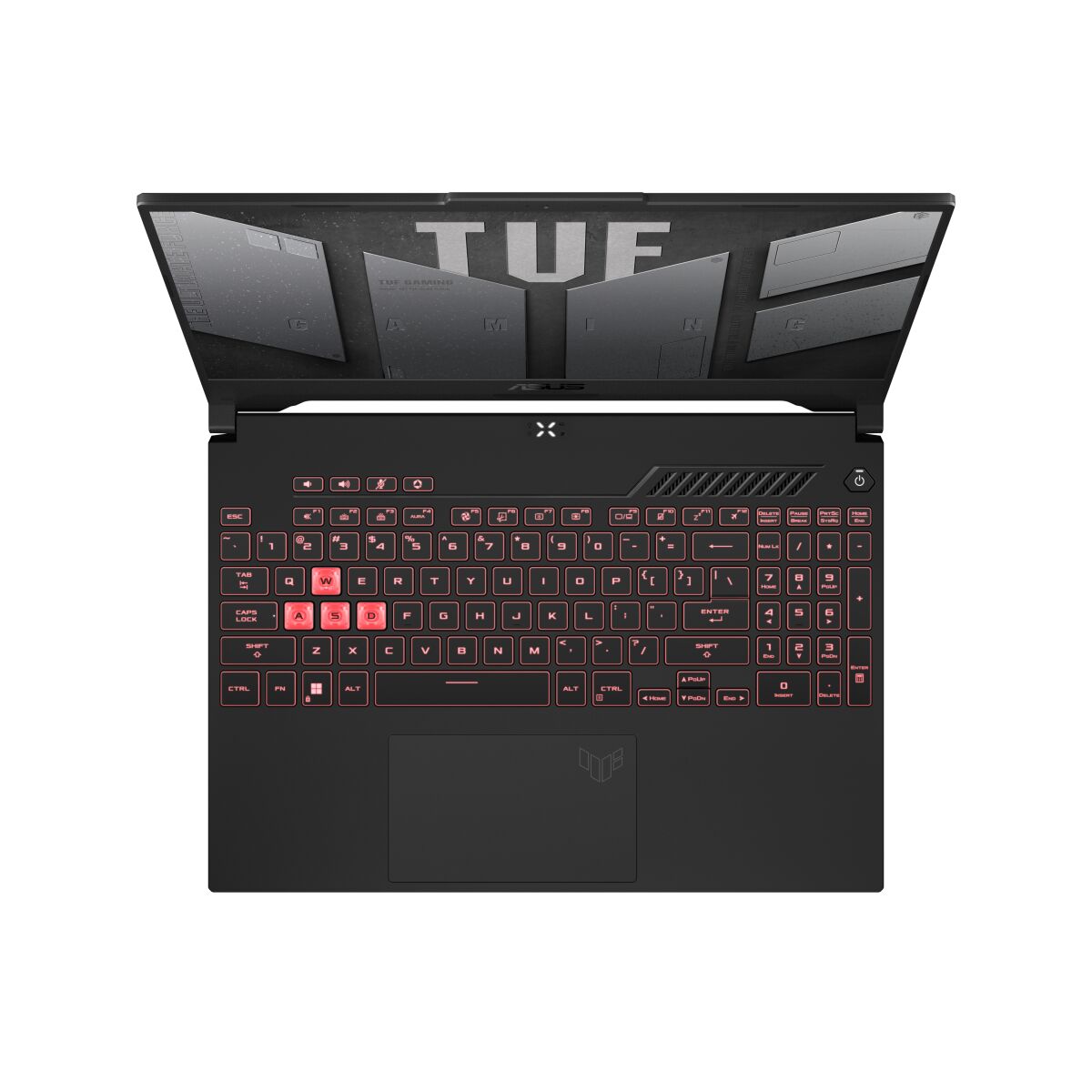

ASUS TUF Gaming A15 FA507RE-HN061W laptop features DDR5-SDRAM memory upgrade capability with two SO-DIMM slots supporting maximum capacity of 32 GB total. Compatible memory operates at 4800 MHz frequency specifications. The upgrade slots accommodate DDR5 SO-DIMM form factor modules, enabling users to expand system RAM from factory configuration to maximum supported capacity by installing compatible memory modules in available slots.
Memory Upgrade Specifications
| Specification | Value |
|---|---|
| Memory slots | 2x SO-DIMM |
| Form factor | SO-DIMM |
| Memory type | DDR5-SDRAM |
| Frequency | 4800 MHz |
| Maximum RAM | 32 GB |
| Voltage | 1.1V |
| Number of pins | 262-pin |
| Interface | PC5 |
| PC Speed Rating | PC5-4800 (PC5-38400) |
| Bandwidth | 38.4 GB/s |
| Laptop Release date | 19 January 2022 |
Additional Notes
- The ASUS TUF Gaming FA507RE-HN061W accommodates DDR5 memory exclusively, rendering DDR4 modules incompatible regardless of physical similarities in pin configuration between generations.
- Dual SO-DIMM slots operating in dual-channel mode require matched capacity and frequency pairs to achieve rated 4800 MHz performance; mismatched configurations default to lower clock speeds and increased latency.
- The 32 GB ceiling (typically 2x16 GB configuration) limits professional workload expansion for tasks involving large dataset processing, virtual machine hosting, or GPU-accelerated compute workflows beyond consumer gaming demands.
- SO-DIMM modules generate higher power density than UDIMM equivalents due to compact packaging, potentially affecting thermal dissipation within the laptop's confined chassis and cooling architecture.
- Memory upgrade pathways remain confined to SO-DIMM DDR5 stock; future migration to LRDIMM or next-generation DDR standards requires complete motherboard replacement rather than incremental slot expansion.
- Warranty retention depends on adherence to official supported memory vendor lists; third-party DDR5-4800 modules matching JEDEC standards typically qualify as safe upgrades, but silicon revision compatibility verification through BIOS release notes precedes installation.
- Bandwidth saturation occurs at 76.8 GB/s (2 channels x 38.4 GB/s per channel); GPU-intensive applications in this device may experience memory bottlenecks if system RAM frequently services discrete graphics operations alongside CPU demands.