ASUS TUF Gaming FA507RC-HN047 RAM upgrade specifications
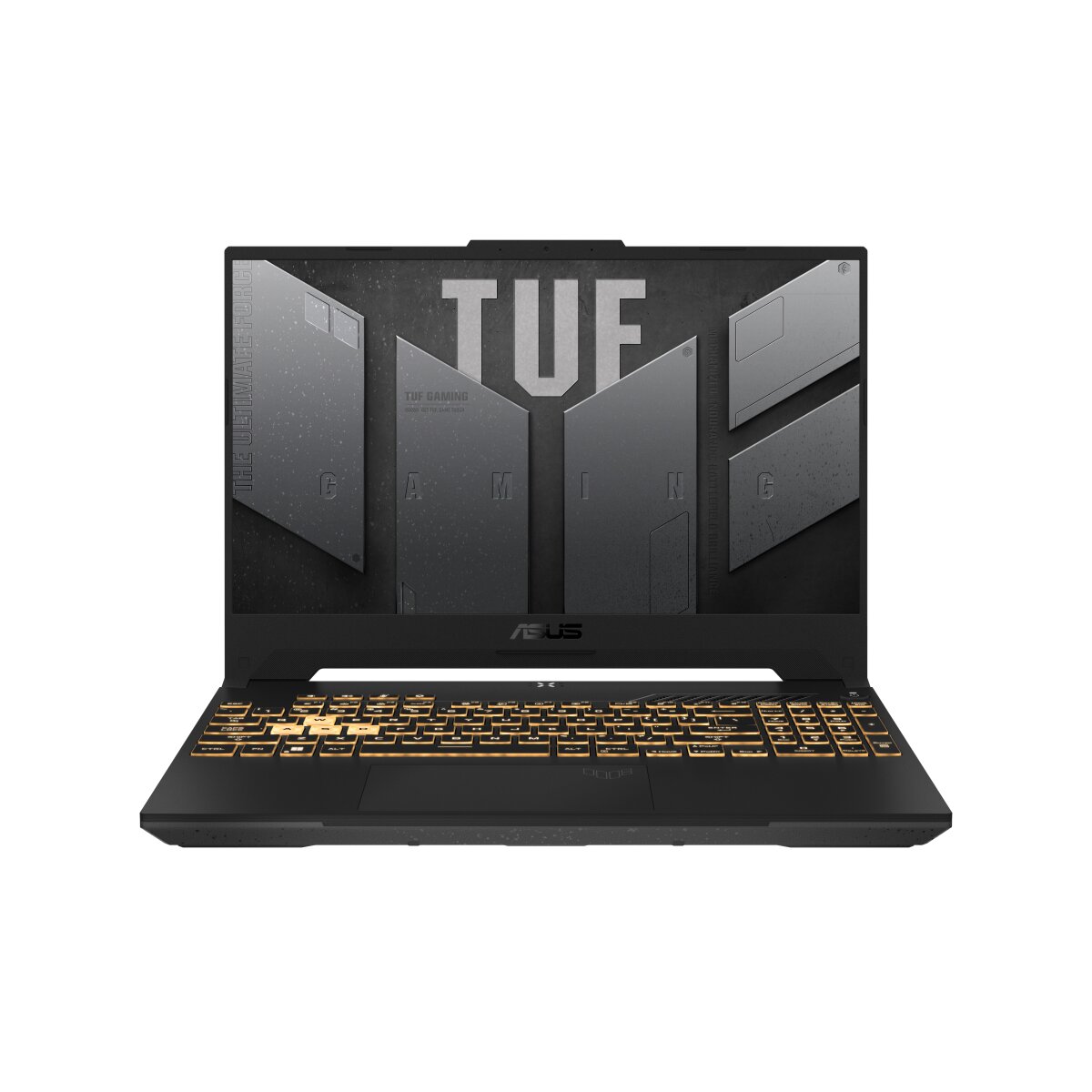
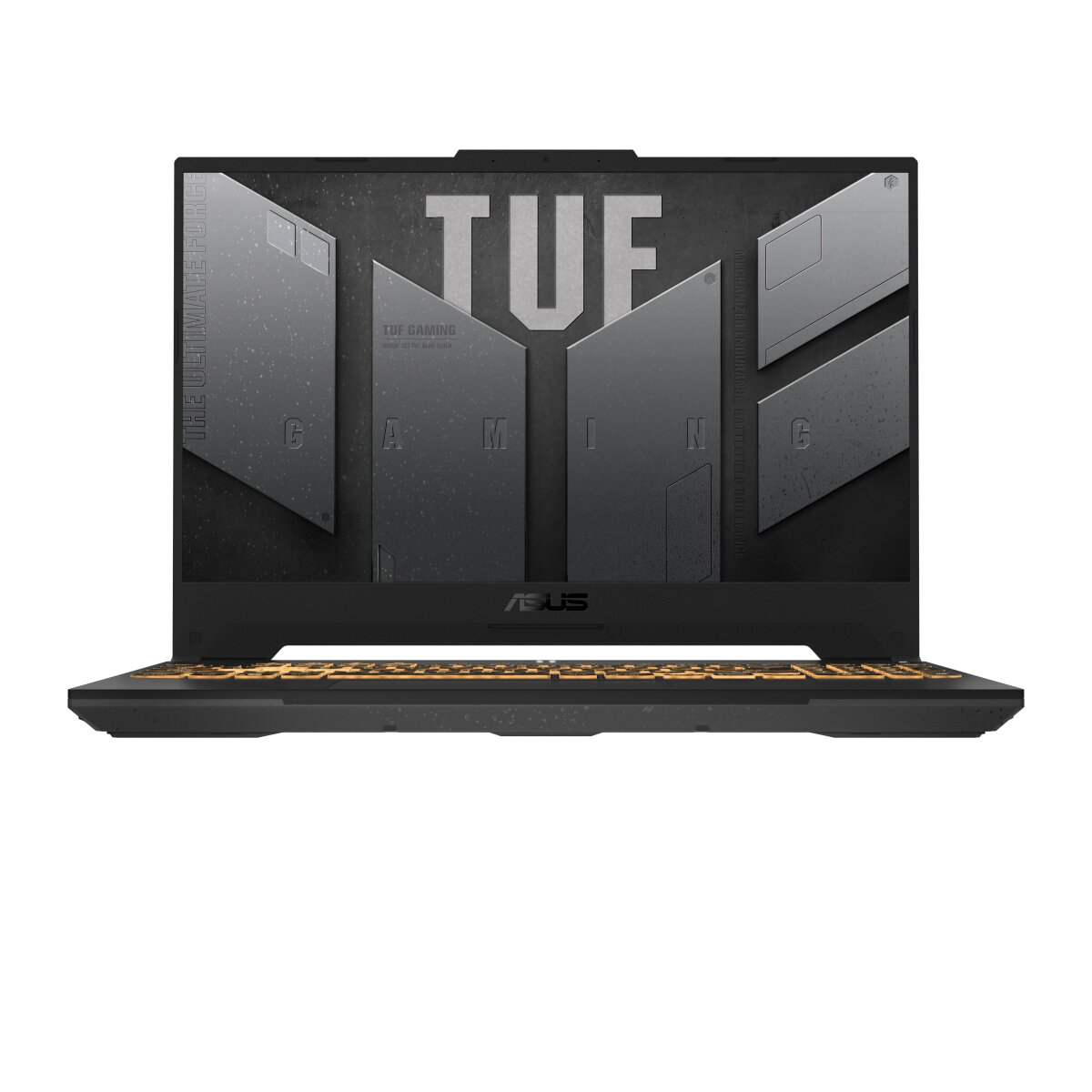
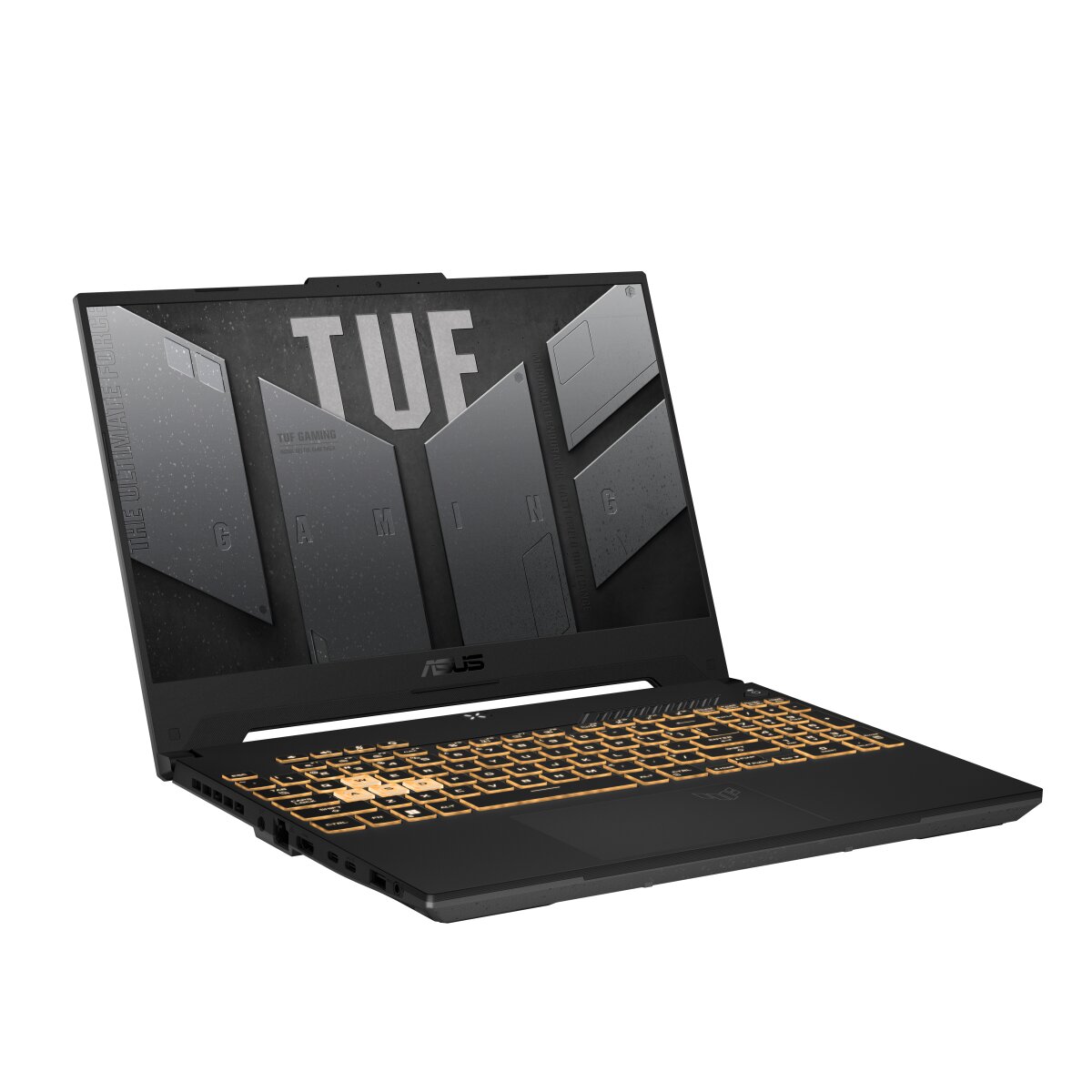

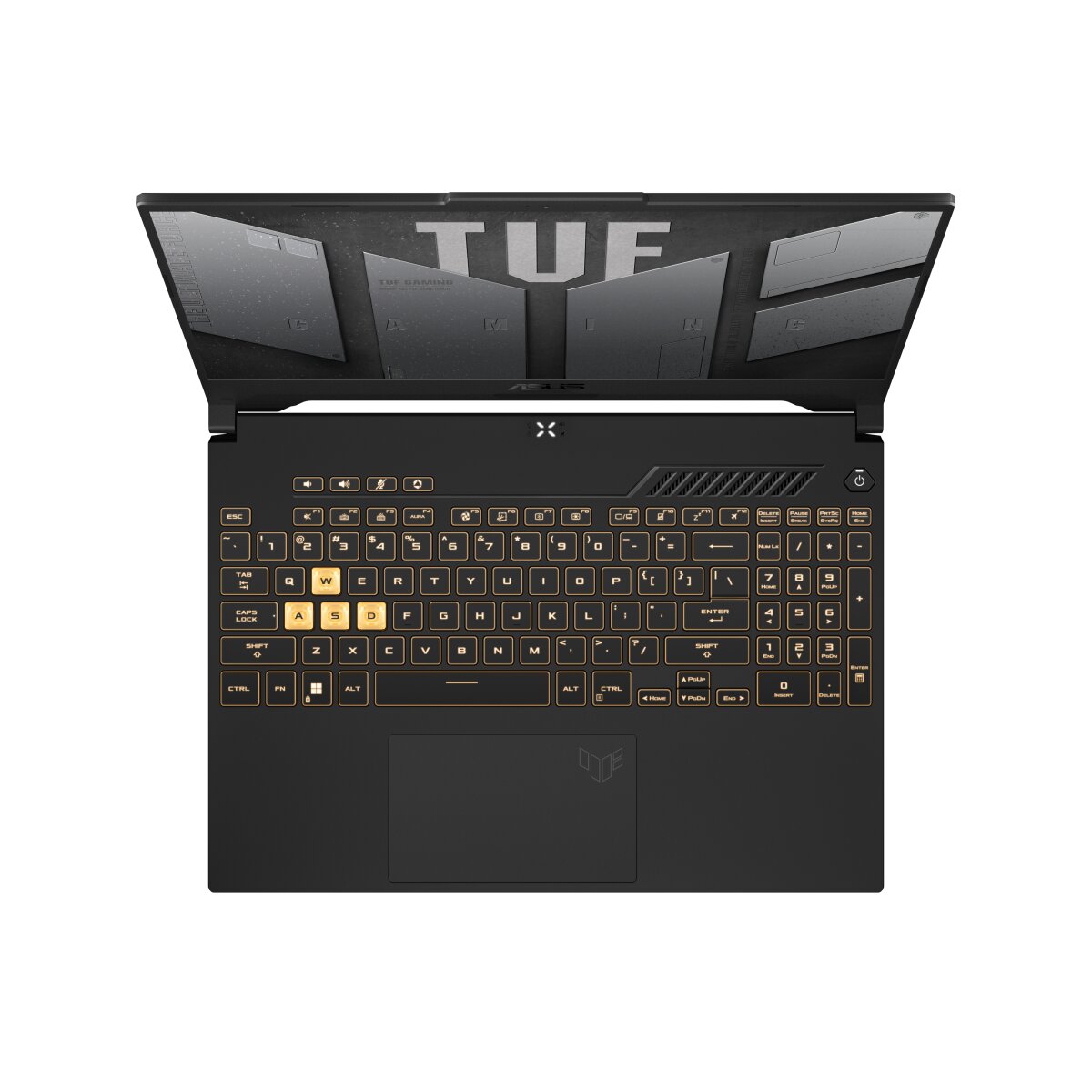
ASUS TUF Gaming A15 FA507RC-HN047 specifications indicate DDR5-SDRAM memory upgrade compatibility with 2x SO-DIMM slots supporting maximum RAM capacity of 32 GB. Memory operates at 4800 MHz frequency. Compatible upgrades utilize SO-DIMM form factor for laptop installation. Existing memory modules can be supplemented or replaced to achieve maximum capacity specifications. DDR5 memory type ensures compatibility with processor architecture and system requirements. Upgrade slots accommodate standard SO-DIMM module dimensions for enhanced multitasking performance and application handling capabilities.
Memory Upgrade Specifications
| Specification | Value |
|---|---|
| Memory slots | 2x SO-DIMM |
| Form factor | SO-DIMM |
| Memory type | DDR5-SDRAM |
| Frequency | 4800 MHz |
| Maximum RAM | 32 GB |
| Voltage | 1.1V |
| Number of pins | 262-pin |
| Interface | PC5 |
| PC Speed Rating | PC5-4800 (PC5-38400) |
| Bandwidth | 38.4 GB/s |
| Laptop Release date | 07 May 2022 |
Additional Notes
- The ASUS TUF Gaming FA507RC-HN047 supports DDR5 memory at 4800 MHz, which requires DDR5-specific SO-DIMM modules and is not backward compatible with DDR4 equipment.
- Dual SO-DIMM configuration limits upgrade flexibility to 2 discrete modules; achieving the 32 GB maximum requires installing a single 16 GB module per slot rather than stacking capacity in fewer slots.
- The 4800 MHz frequency specification indicates the system's memory controller locks to this speed; aftermarket modules rated above 4800 MHz will operate at the native 4800 MHz speed without performance gain and may introduce stability risk if rated lower.
- SO-DIMM form factor constrains physical clearance; CPU cooler height and internal cable routing must be verified before installation, as certain aftermarket cooling solutions may block direct access to memory slots.
- The 32 GB ceiling means the maximum capacity per slot is 16 GB; purchasing 32 GB modules will not function in this system regardless of frequency or DDR5 compatibility rating.
- Memory bandwidth saturation occurs when both slots contain modules simultaneously; asymmetrical pairing (one populated slot) may reduce dual-channel performance but is warranty-safe for partial upgrades.
- DDR5 modules carry higher voltage specifications than DDR4; mixing memory speeds within the 2 slots may force both modules to operate at the slower module's rated frequency, negating performance benefits of faster modules.