ASUS TUF Gaming FA507NVR-LP036W RAM upgrade specifications




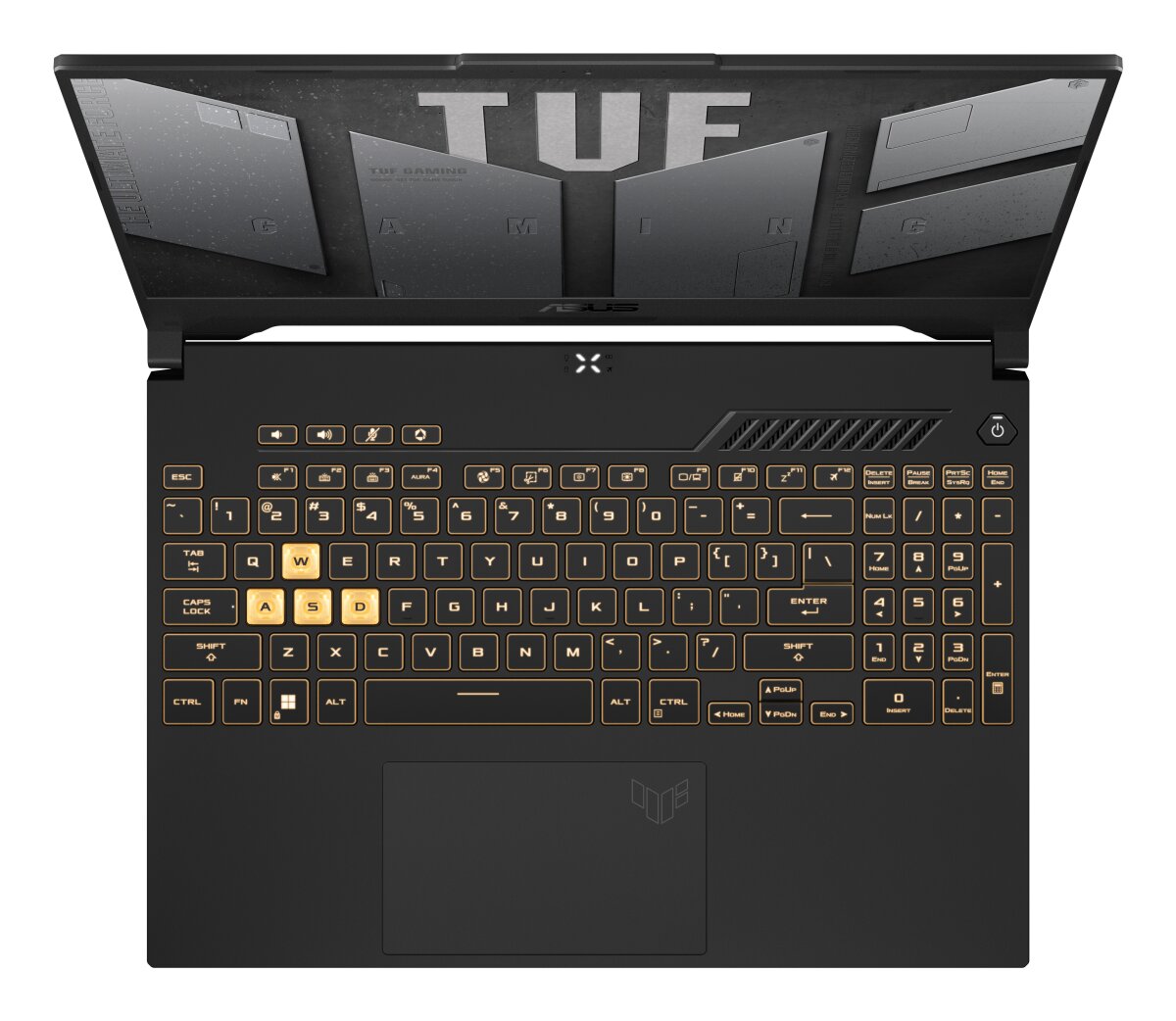
ASUS TUF Gaming A15 FA507NVR-LP036W features DDR5-SDRAM memory upgrade capabilities with 2x SO-DIMM slots supporting maximum capacity of 64 GB. The laptop specifications indicate compatible memory modules operate at 4800 MHz frequency. Upgrade options allow installation of DDR5 SO-DIMM modules to expand RAM capacity within the designated slots. Maximum memory configuration reaches 64 GB total capacity for enhanced multitasking and performance requirements on the FA507NVR-LP036W model.
Memory Upgrade Specifications
| Specification | Value |
|---|---|
| Memory slots | 2x SO-DIMM |
| Form factor | SO-DIMM |
| Memory type | DDR5-SDRAM |
| Frequency | 4800 MHz |
| Maximum RAM | 64 GB |
| Voltage | 1.1V |
| Number of pins | 262-pin |
| Interface | PC5 |
| PC Speed Rating | PC5-4800 (PC5-38400) |
| Bandwidth | 38.4 GB/s |
Additional Notes
- The ASUS TUF Gaming FA507NVR-LP036W supports DDR5 modules exclusively, preventing the use of any DDR4 inventory from previous systems due to incompatible voltage requirements and physical notch positioning.
- The 64 GB ceiling requires 2 modules of 32 GB each, as only 2 slots exist without soldered memory, making asymmetric configurations above this threshold impossible.
- DDR5-4800 represents JEDEC baseline speed for this generation, meaning modules rated at 5200 MHz, 5600 MHz, or higher will downclock to 4800 MHz if the chipset enforces this limitation.
- SO-DIMM form factor restricts compatibility to notebook-specific modules, as standard DIMM desktop memory physically cannot fit the slot dimensions regardless of specification matching.
- Dual-channel architecture activates only when matching capacity modules occupy both slots, whereas single-module configurations halve memory bandwidth despite functional operation.
- The absence of soldered memory means total system RAM depends entirely on user-installed modules, unlike hybrid designs where partial capacity remains fixed and irreplaceable.
- Both slots operate at identical 4800 MHz when populated, eliminating mixed-speed scenarios where the faster module would throttle to match the slower one's frequency.
- Warranty preservation typically requires non-destructive installation, meaning modules must seat without forcing clips or bending retention mechanisms beyond their designed range of motion.
- JEDEC-compliant unbuffered modules maintain compatibility, while registered or ECC variants designed for server workloads will either fail POST or remain unrecognized by consumer-grade chipsets.
- Voltage specification locks at 1.1V for DDR5 standard operation, preventing the use of low-voltage or overclocking profiles that desktop platforms might support through XMP 3.0 adjustments.