ASUS TUF Gaming FA507RE-HN084 RAM upgrade specifications

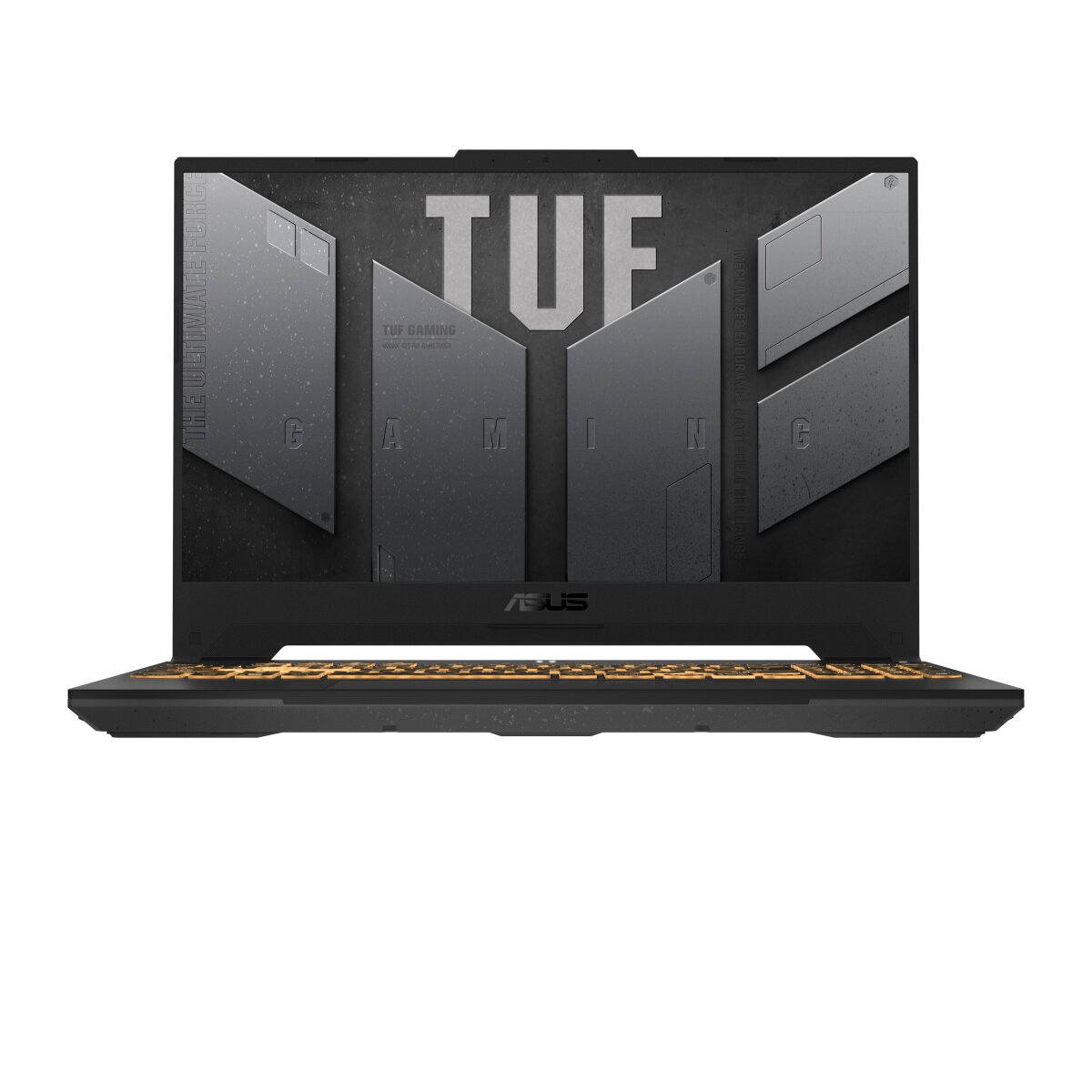
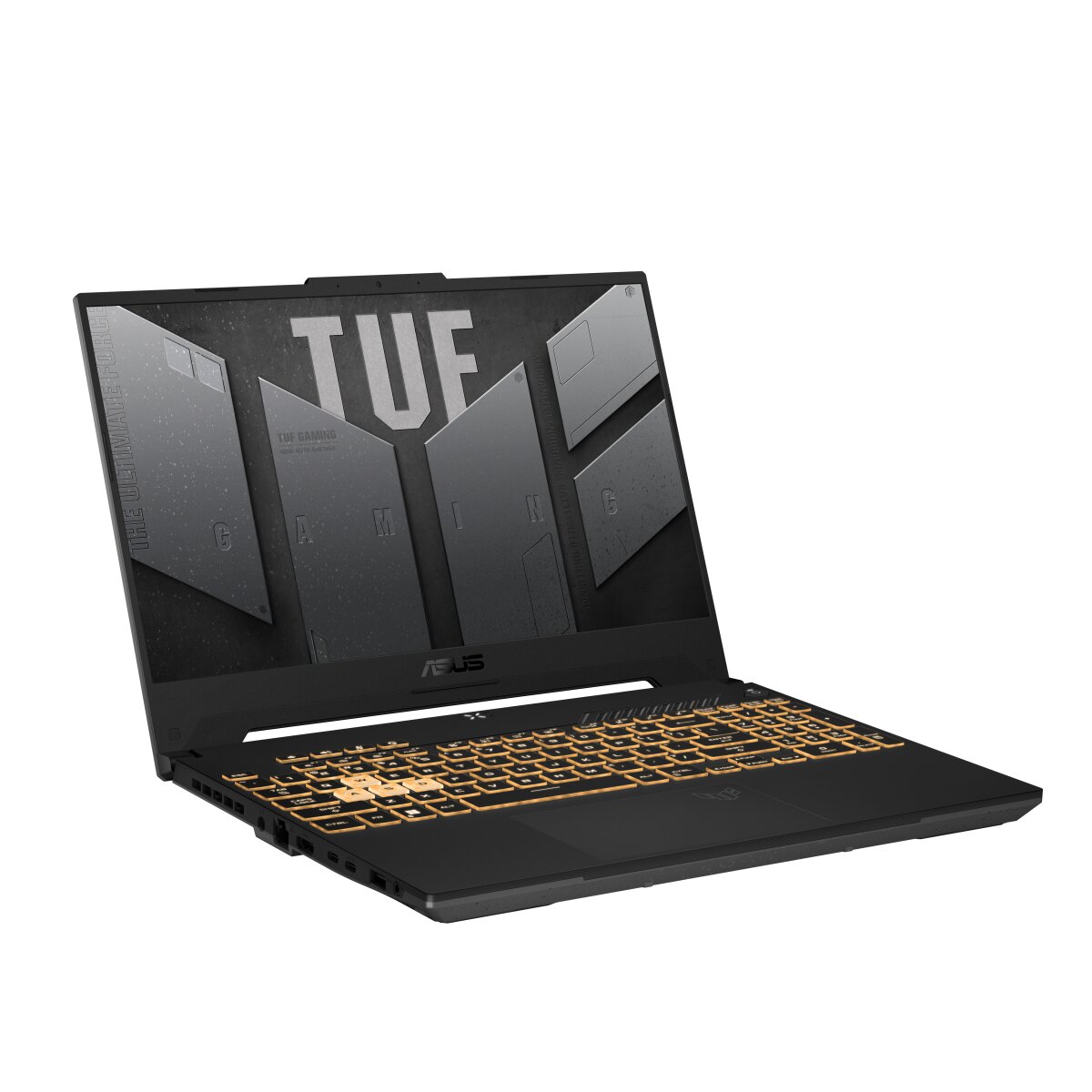

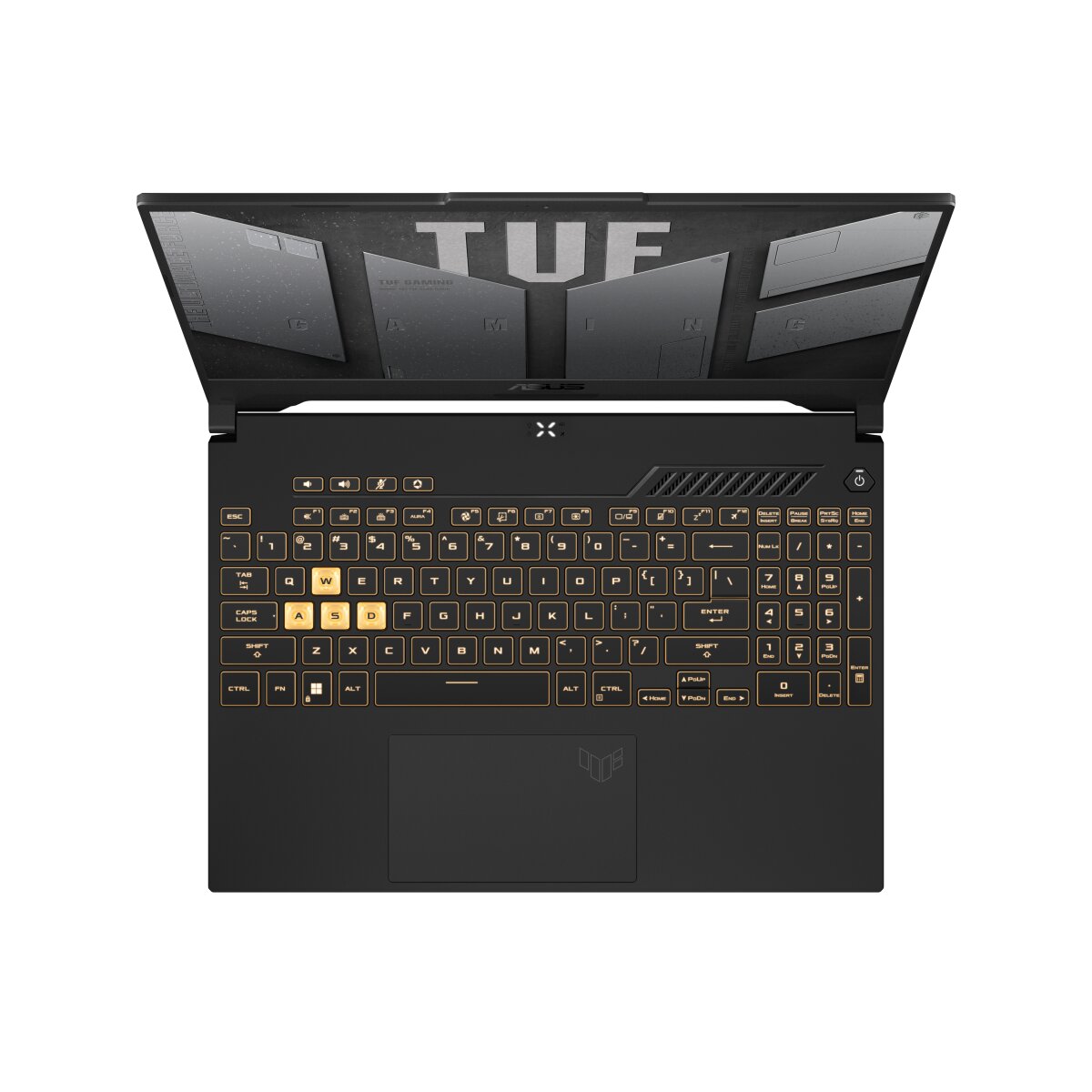
ASUS TUF Gaming A15 FA507RE-HN084 features DDR5-SDRAM memory upgrade specifications with 2x SO-DIMM slots supporting maximum RAM capacity of 32 GB. Compatible memory modules operate at 4800 MHz frequency. Upgrade specifications enable expansion of system memory through replacement or addition of SO-DIMM form factor modules, enhancing multitasking performance and application responsiveness for gaming and professional workloads.
Memory Upgrade Specifications
| Specification | Value |
|---|---|
| Memory slots | 2x SO-DIMM |
| Form factor | SO-DIMM |
| Memory type | DDR5-SDRAM |
| Frequency | 4800 MHz |
| Maximum RAM | 32 GB |
| Voltage | 1.1V |
| Number of pins | 262-pin |
| Interface | PC5 |
| PC Speed Rating | PC5-4800 (PC5-38400) |
| Bandwidth | 38.4 GB/s |
| Laptop Release date | 25 June 2022 |
Additional Notes
- The ASUS TUF Gaming FA507RE-HN084 uses SO-DIMM form factor exclusively, restricting memory upgrades to laptop-specific modules rather than desktop variants, which eliminates accidental incompatibility but narrows supplier options.
- DDR5-4800 MHz specification requires strict adherence to DDR5 JEDEC standards; mixing DDR5 modules from different manufacturers within the 2 SO-DIMM slots may trigger BIOS compatibility warnings or force downclocking to conservative profiles, reducing effective bandwidth gain.
- The 32 GB ceiling (2x 16 GB configuration) prevents future memory expansion beyond this threshold, locking the system's RAM scalability permanently once maximum capacity is installed.
- Dual-channel architecture across 2 slots means single-module configurations operate in single-channel mode, halving memory bandwidth to approximately 76.8 GB/s compared to dual-channel operation at 153.6 GB/s, affecting performance in memory-intensive workloads.
- SO-DIMM thermal management differs from standard DIMM designs; high-speed DDR5 modules in compact form factors may generate elevated heat in the confined laptop chassis, particularly during sustained gaming sessions, potentially triggering thermal throttling of memory controller frequencies.
- Factory memory configuration originates from a single populated slot; upgrading requires opening system internals and may void thermal paste warranty coverage on the processor unless thermal interface material is reapplied using manufacturer-approved procedures.
- DDR5-4800 MHz operation depends on chipset-level support and BIOS implementation; firmware updates may introduce compatibility patches or speed profile adjustments that affect upgrade stability retroactively.