ASUS TUF Gaming FA507RF-R76B25CS1 RAM upgrade specifications

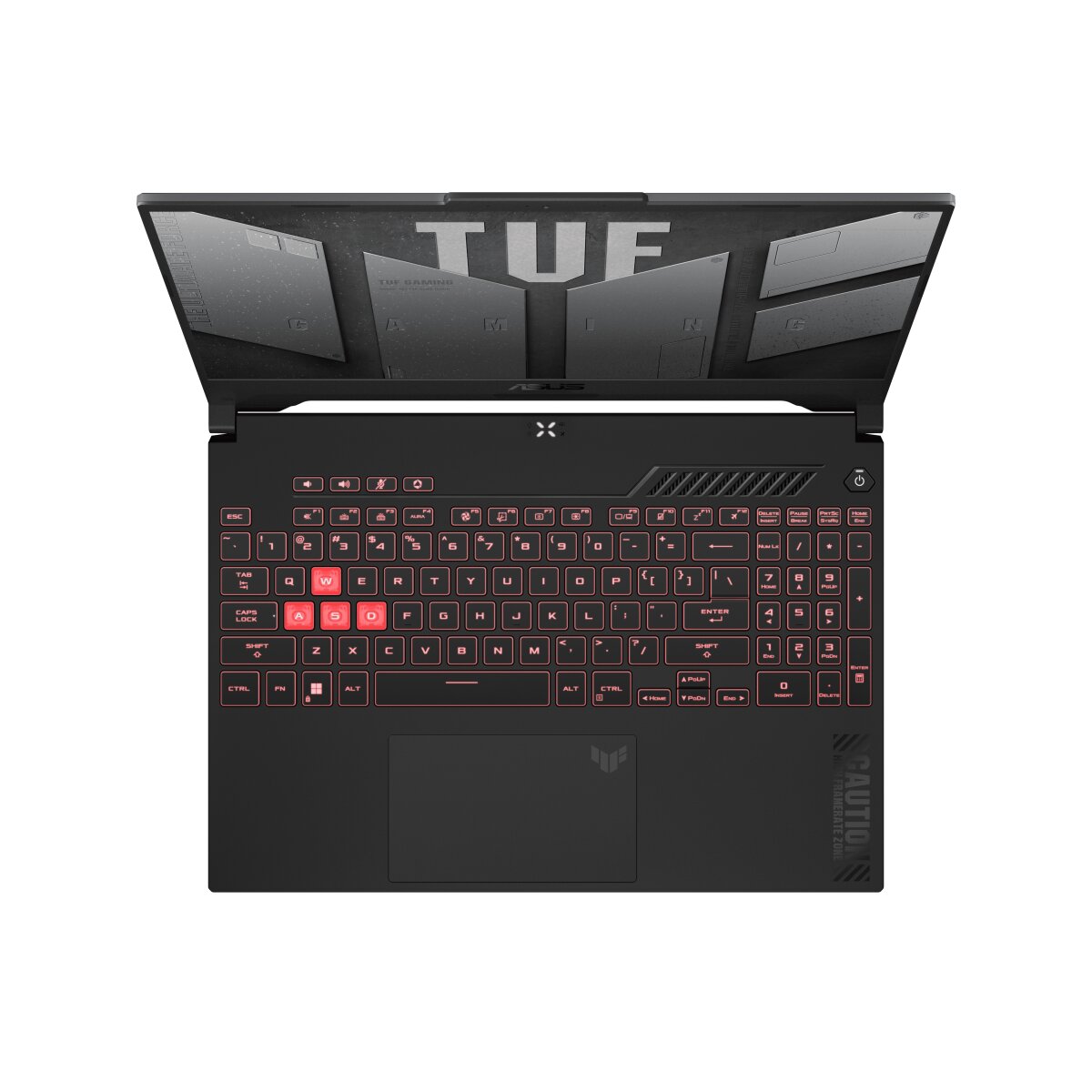


The ASUS TUF Gaming A15 FA507RF-R76B25CS1 features DDR5-SDRAM memory with 2x SO-DIMM slots supporting maximum capacity of 32 GB. RAM upgrade specifications indicate compatible memory modules operate at 4800 MHz frequency. Specifications confirm SO-DIMM form factor for memory configuration. Maximum RAM capacity reaches 32 GB total across available slots. DDR5-SDRAM technology provides enhanced performance specifications for gaming and professional workloads. Compatible memory upgrades maintain DDR5 specifications at 4800 MHz operating frequency.
Memory Upgrade Specifications
| Specification | Value |
|---|---|
| Memory slots | 2x SO-DIMM |
| Form factor | SO-DIMM |
| Memory type | DDR5-SDRAM |
| Frequency | 4800 MHz |
| Maximum RAM | 32 GB |
| Voltage | 1.1V |
| Number of pins | 262-pin |
| Interface | PC5 |
| PC Speed Rating | PC5-4800 (PC5-38400) |
| Bandwidth | 38.4 GB/s |
| Laptop Release date | 19 April 2023 |
Additional Notes
- The presence of 2 physical SO-DIMM slots implies that reaching the maximum capacity requires a dual-channel configuration of 2 16 GB modules to ensure optimal memory bandwidth for the integrated graphics processor.
- Utilizing DDR5 architecture in the ASUS TUF Gaming FA507RF-R76B25CS1 provides higher base frequencies and lower power consumption compared to older DDR4 systems, although hardware incompatibility prevents the use of previous-generation memory modules.
- Operating at a 4800 MHz frequency necessitates matching the timings of existing modules to prevent the system from defaulting to the lowest common denominator speed.
- The 32 GB firmware cap indicates that 32 GB or 64 GB single-stick modules will likely fail to initialize or will be artificially truncated by the BIOS.
- Internal access for memory replacement requires the removal of the bottom chassis panel, which typically involves loosening captive screws and navigating plastic retention clips that can be fragile.
- Synchronous data rates in this configuration rely on matching pairs to enable 128-bit wide bus access, which is critical for reducing latency during high-load computational tasks.