ASUS TUF Gaming FA507RM-HF078W-BE RAM upgrade specifications
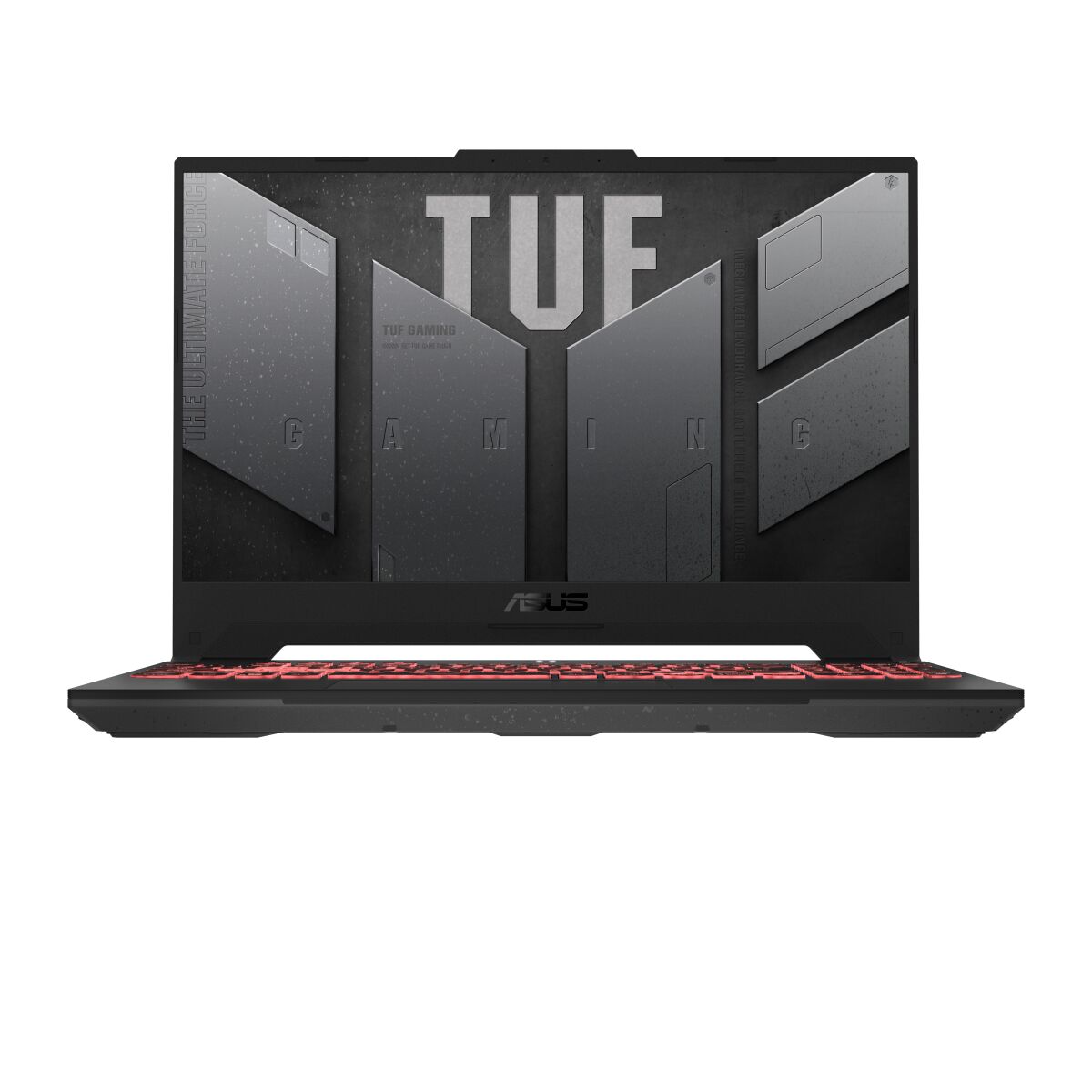
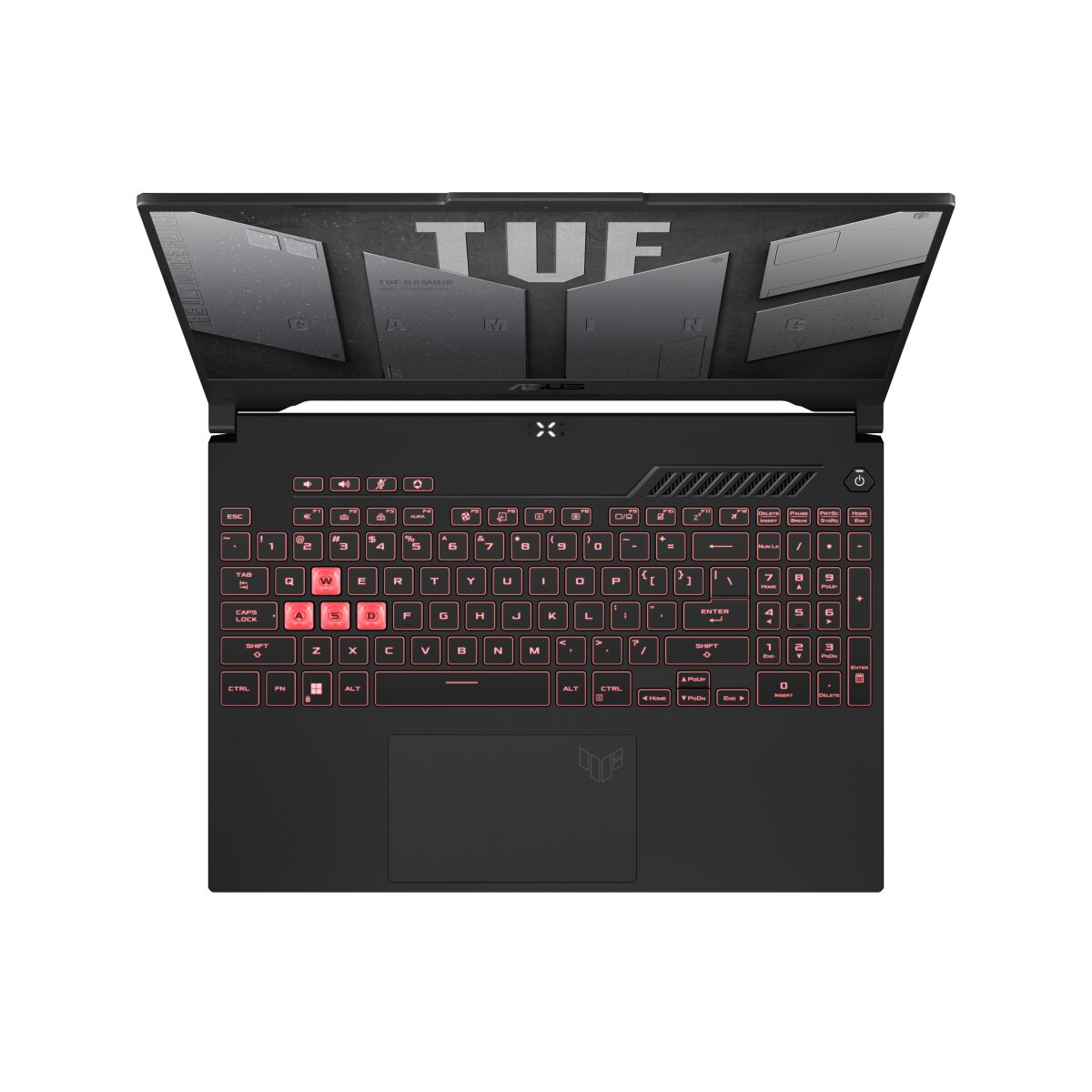



ASUS TUF Gaming A15 FA507RM-HF078W-BE RAM upgrade specifications detail DDR5-SDRAM memory compatibility. The laptop contains 2x SO-DIMM slots supporting maximum capacity of 32 GB total memory. Compatible upgrades utilize DDR5-SDRAM modules operating at 4800 MHz frequency. SO-DIMM form factor specifications ensure proper fitting within available slots. Memory upgrade specifications indicate dual-slot configuration allowing modular RAM installation for enhanced system performance and multitasking capability.
Memory Upgrade Specifications
| Specification | Value |
|---|---|
| Memory slots | 2x SO-DIMM |
| Form factor | SO-DIMM |
| Memory type | DDR5-SDRAM |
| Frequency | 4800 MHz |
| Maximum RAM | 32 GB |
| Voltage | 1.1V |
| Number of pins | 262-pin |
| Interface | PC5 |
| PC Speed Rating | PC5-4800 (PC5-38400) |
| Bandwidth | 38.4 GB/s |
| Laptop Release date | 10 January 2022 |
Additional Notes
- Dual channel architecture requires matching module pairs to achieve full data bandwidth as an unmatched configuration reverts to single channel performance.
- The 32 GB threshold indicates a firmware limitation or a thermal validation cap for the ASUS TUF Gaming FA507RM-HF078W-BE motherboard despite higher density DDR5 modules existing in the market.
- The 4800 MHz frequency dictates the clock speed for all installed memory and faster modules will automatically downclock to synchronize with the integrated memory controller.
- SO-DIMM slot accessibility requires removal of the bottom chassis panel which exposes internal components to potential electrostatic discharge risks during installation.
- DDR5 technology utilizes on-die ECC and integrated power management circuits which increases heat generation within the memory vicinity compared to older standards.
- Populating both slots with identical capacity modules minimizes latency and prevents processing bottlenecks during memory intensive gaming or rendering tasks.
- Physical clearance within the chassis restricts the use of memory modules with integrated heat spreaders that exceed standard height profiles.