ASUS TUF Gaming FA507RM-HN003 RAM upgrade specifications
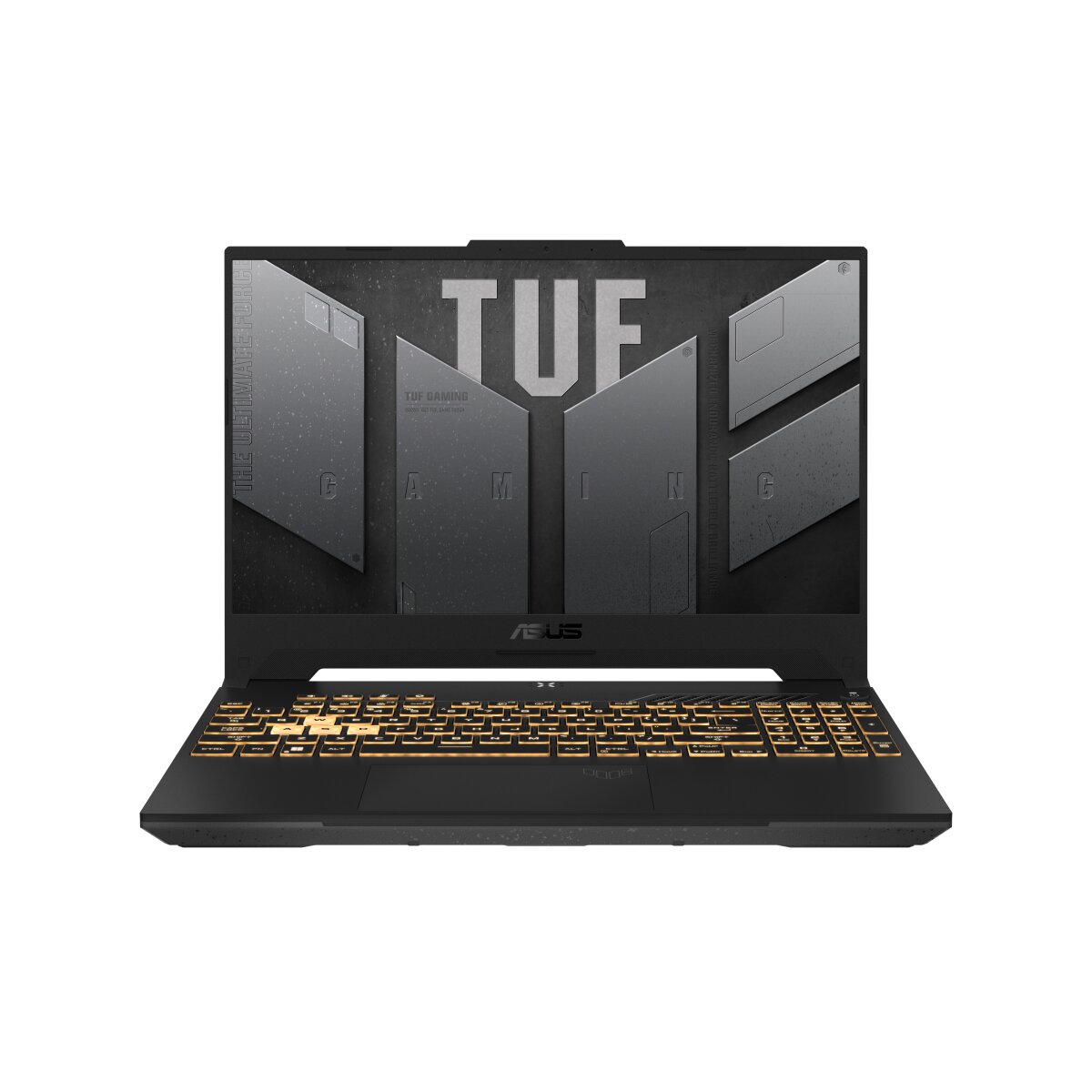
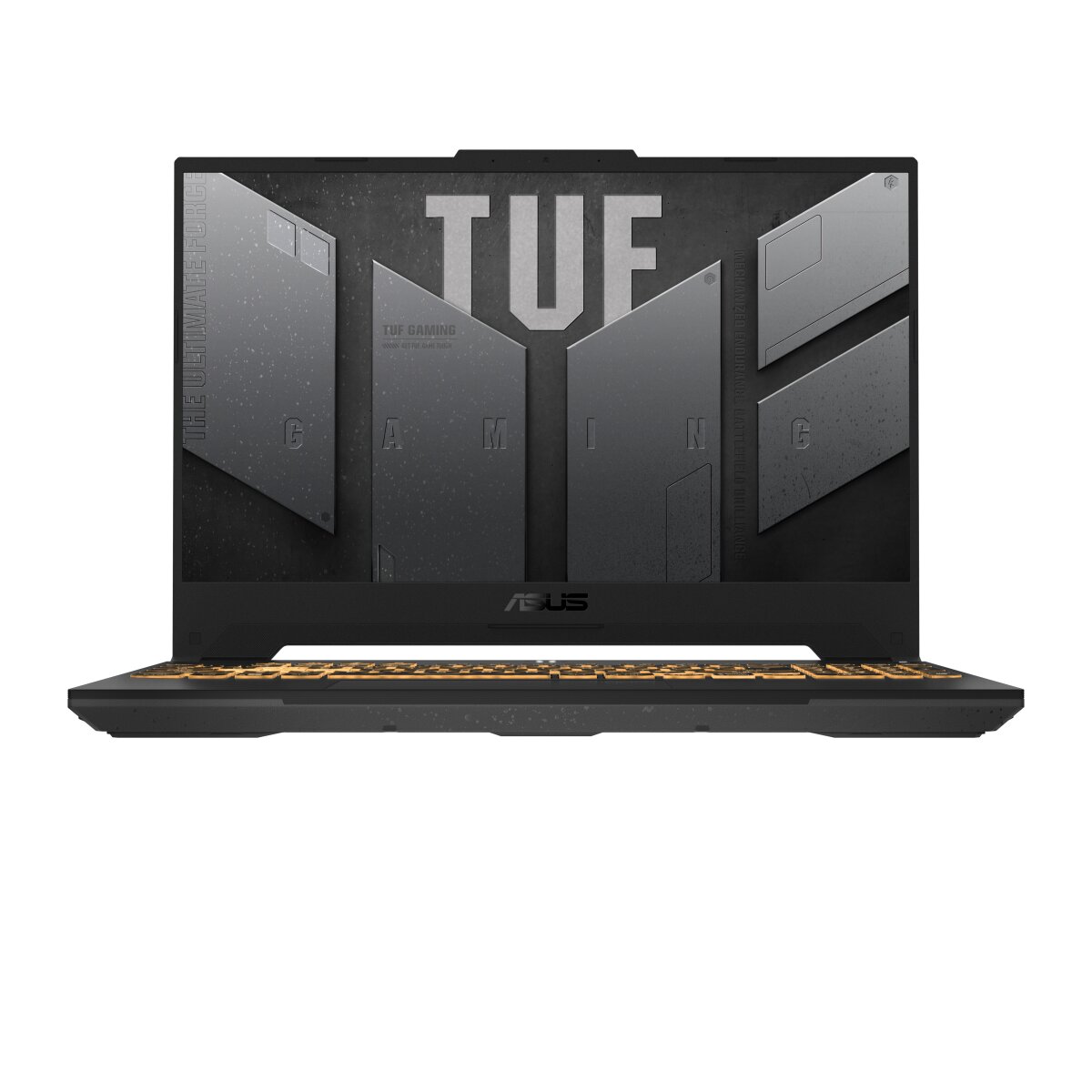
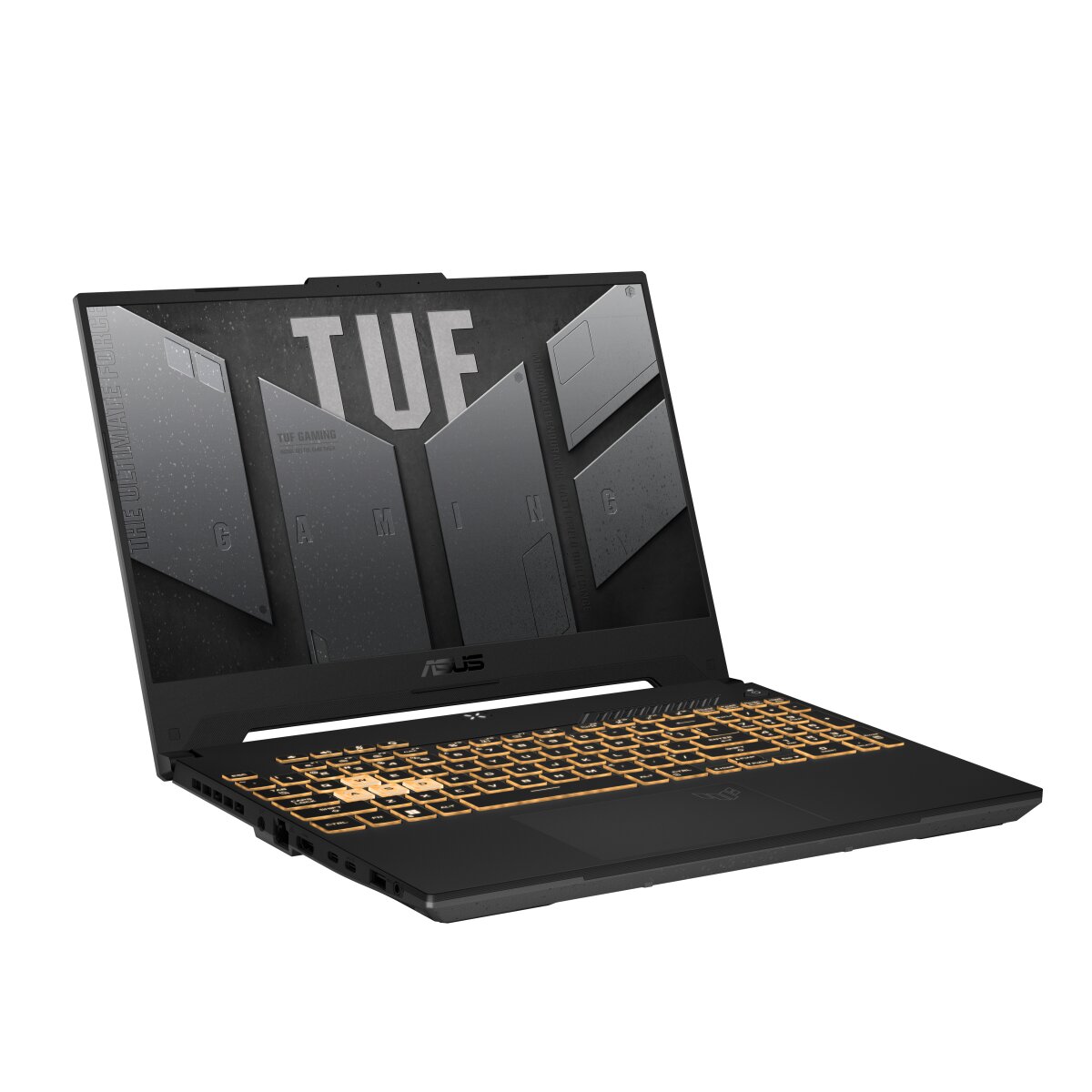
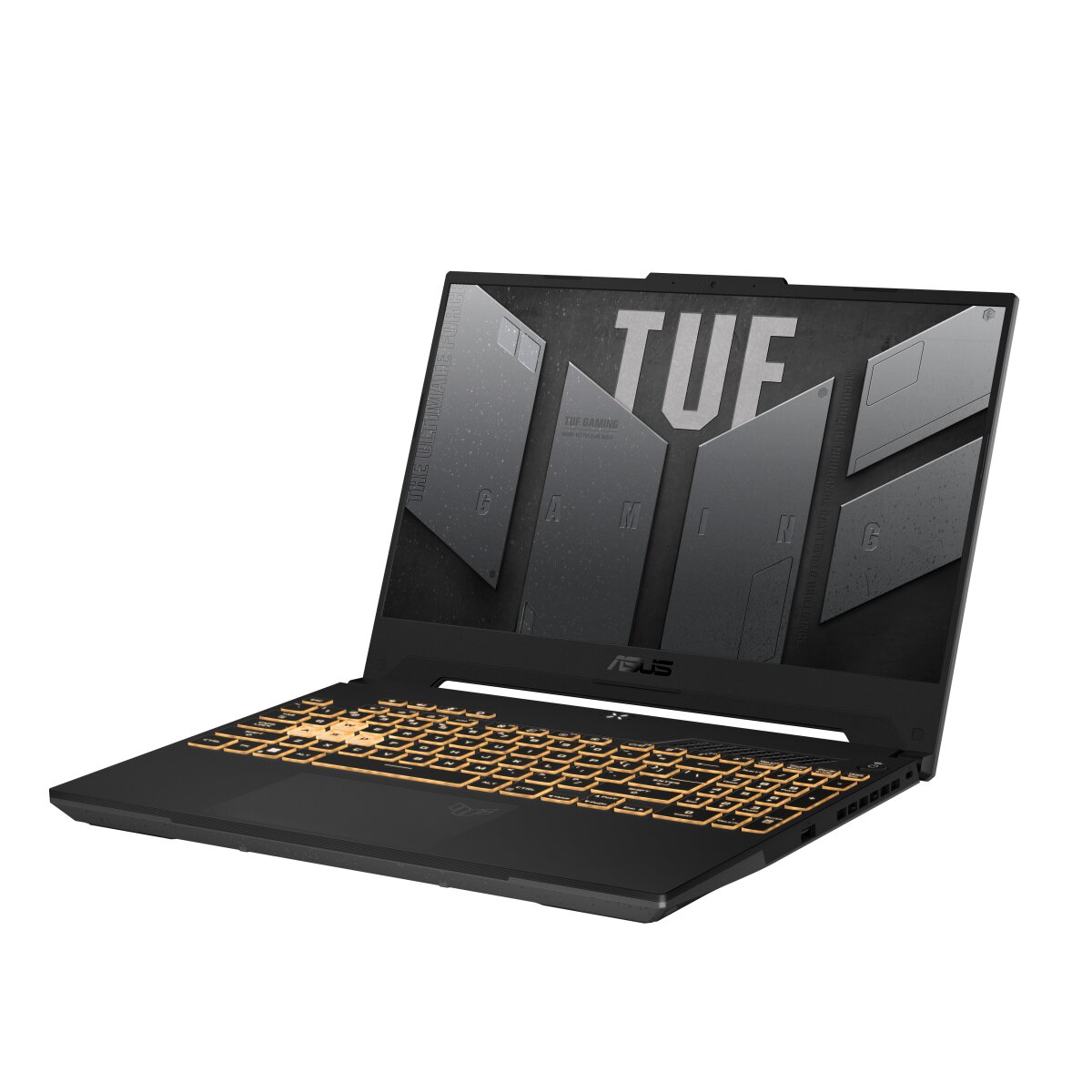
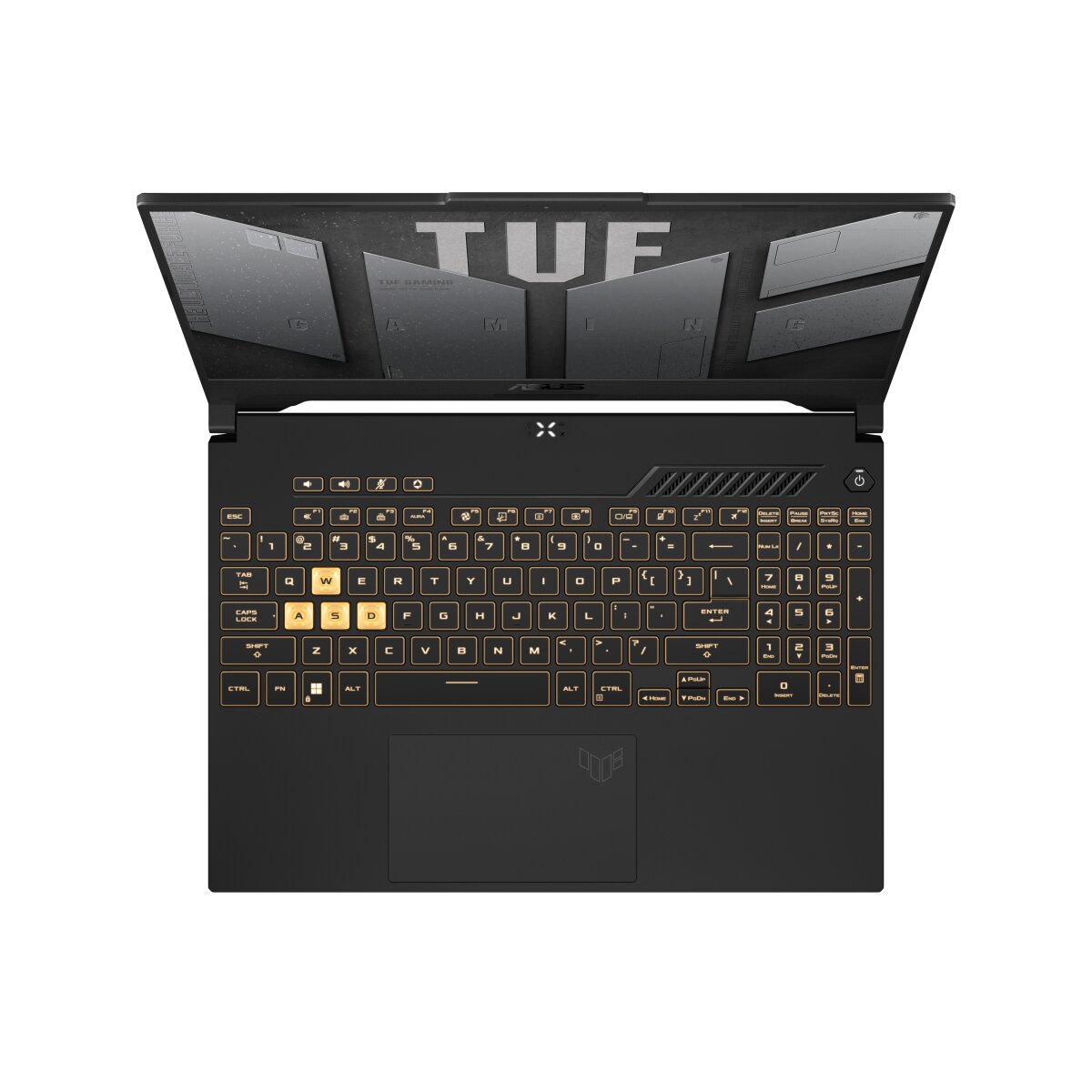
The ASUS TUF Gaming A15 FA507RM-HN003 features DDR5-SDRAM memory upgrades supported through 2x SO-DIMM slots. The laptop accommodates a maximum RAM capacity of 32 GB total, with compatible modules operating at 4800 MHz frequency. Users can upgrade the memory by replacing or adding DDR5 SO-DIMM modules to achieve the maximum specifications. The upgrade specifications support DDR5 technology, enabling enhanced performance for the gaming-focused TUF series laptop.
Memory Upgrade Specifications
| Specification | Value |
|---|---|
| Memory slots | 2x SO-DIMM |
| Form factor | SO-DIMM |
| Memory type | DDR5-SDRAM |
| Frequency | 4800 MHz |
| Maximum RAM | 32 GB |
| Voltage | 1.1V |
| Number of pins | 262-pin |
| Interface | PC5 |
| PC Speed Rating | PC5-4800 (PC5-38400) |
| Bandwidth | 38.4 GB/s |
| Laptop Release date | 17 February 2022 |
Additional Notes
- DDR5 memory operates at 4800 MHz, which establishes a performance baseline that aftermarket modules must match or exceed to prevent speed negotiation downclocking to the lowest module frequency in the system.
- The 2 SO-DIMM slot configuration on the ASUS TUF Gaming FA507RM-HN003 means single-module upgrades will operate in asymmetrical mode, reducing memory bandwidth efficiency compared to dual-channel configurations with matched capacity modules.
- Maximum addressable capacity of 32 GB creates a hard ceiling; hybrid configurations (16 GB + 8 GB, for example) remain within warranty boundaries but introduce performance asymmetry that may compound frame rate variance in bandwidth-sensitive workloads.
- SO-DIMM form factor is mechanially incompatible with standard UDIMM modules; retail memory marketed as generic DDR5-4800 without explicit SO-DIMM specification will not physically insert into available slots, requiring model-specific component selection.
- Upgrading from factory configuration to dual 16 GB modules requires both slots to be populated; removal of original memory is necessary, and OEM pre-installed modules may have proprietary thermal pads or non-standard packaging that complicates reinstallation if rollback becomes necessary within warranty periods.
- Memory voltage specification for DDR5-4800 modules typically ranges from 1.2V to 1.4V depending on manufacturer binning; mismatched voltage profiles between installed modules can trigger BIOS warnings or automatic underclocking, reducing effective memory bandwidth.