ASUS TUF Gaming FA507RM-HN008W RAM upgrade specifications
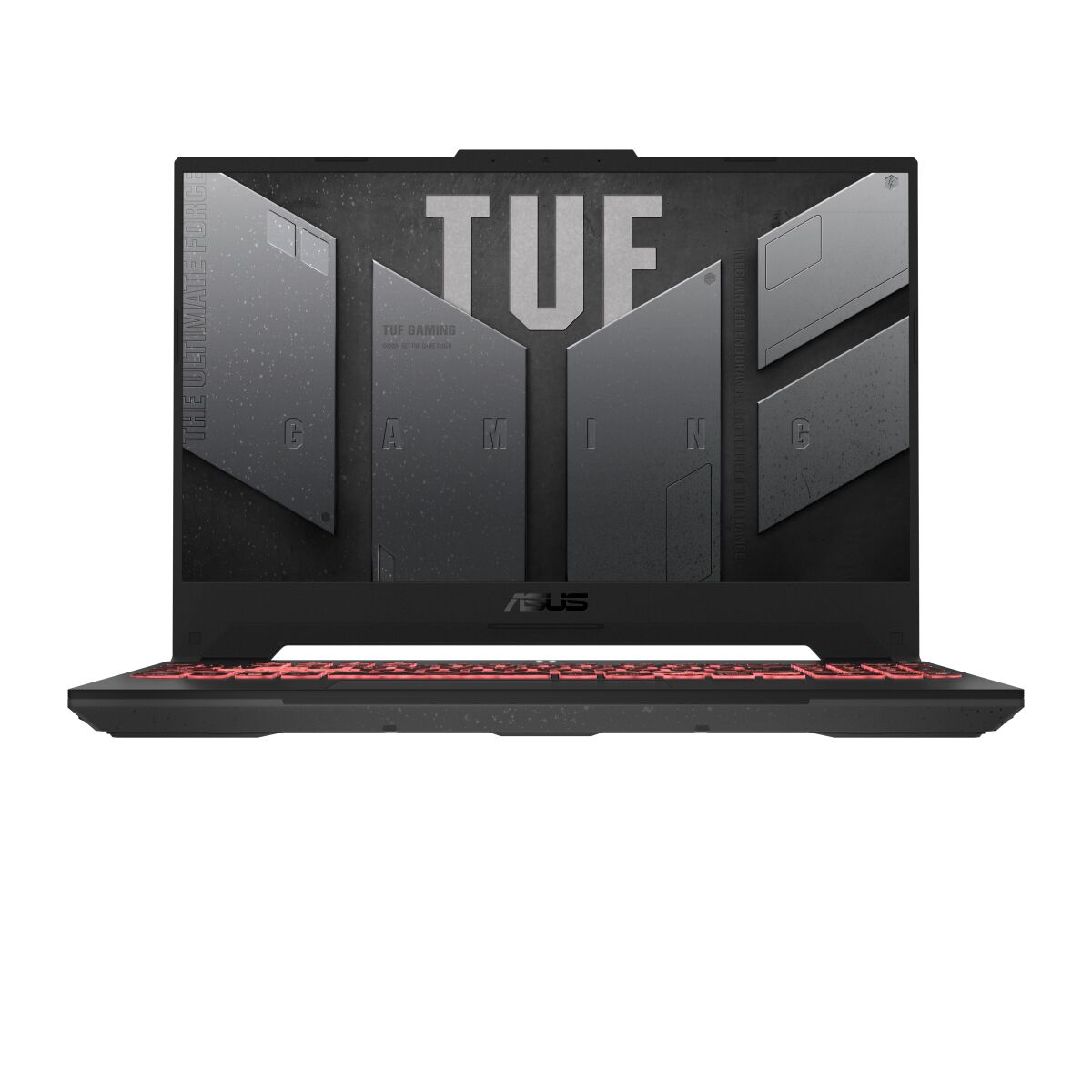
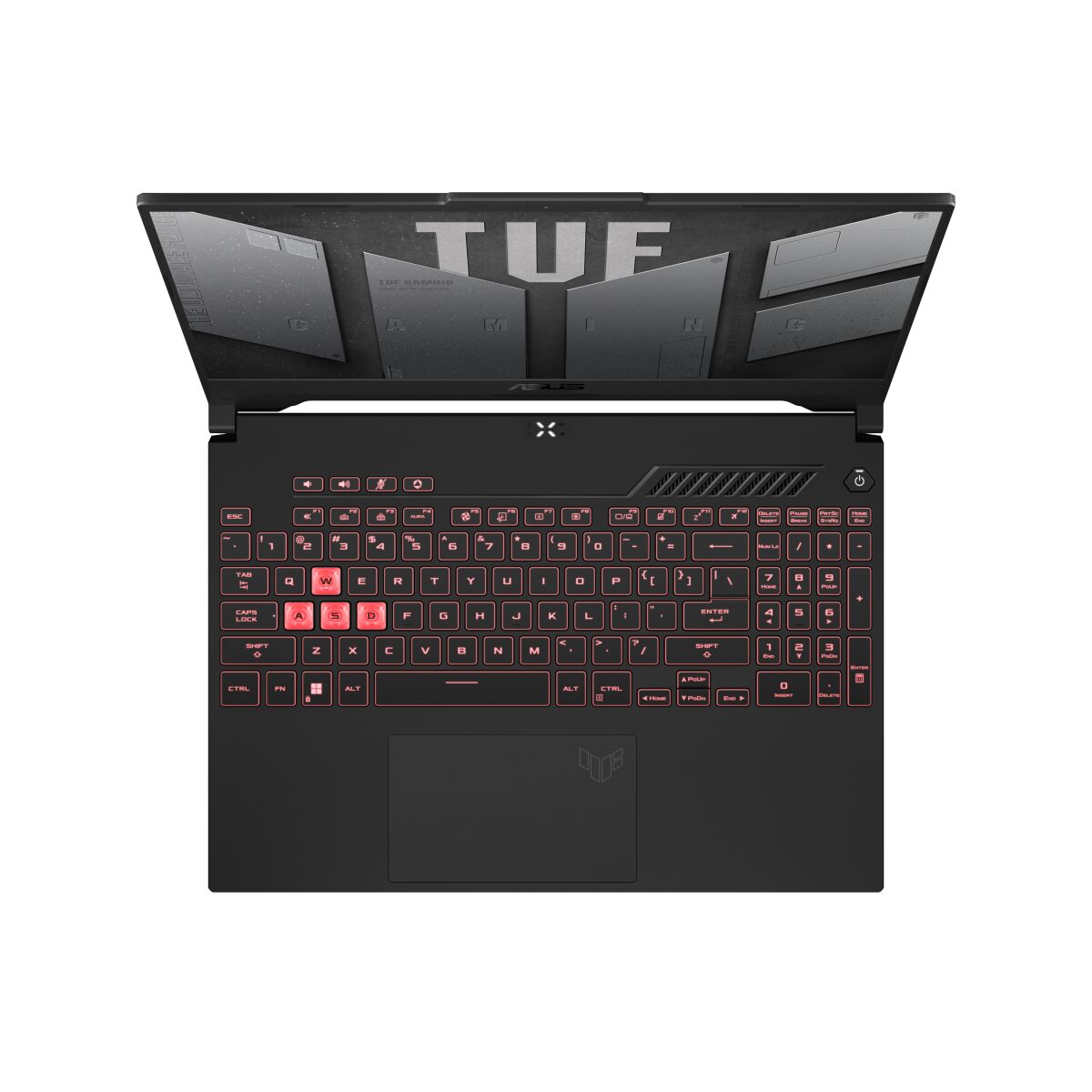
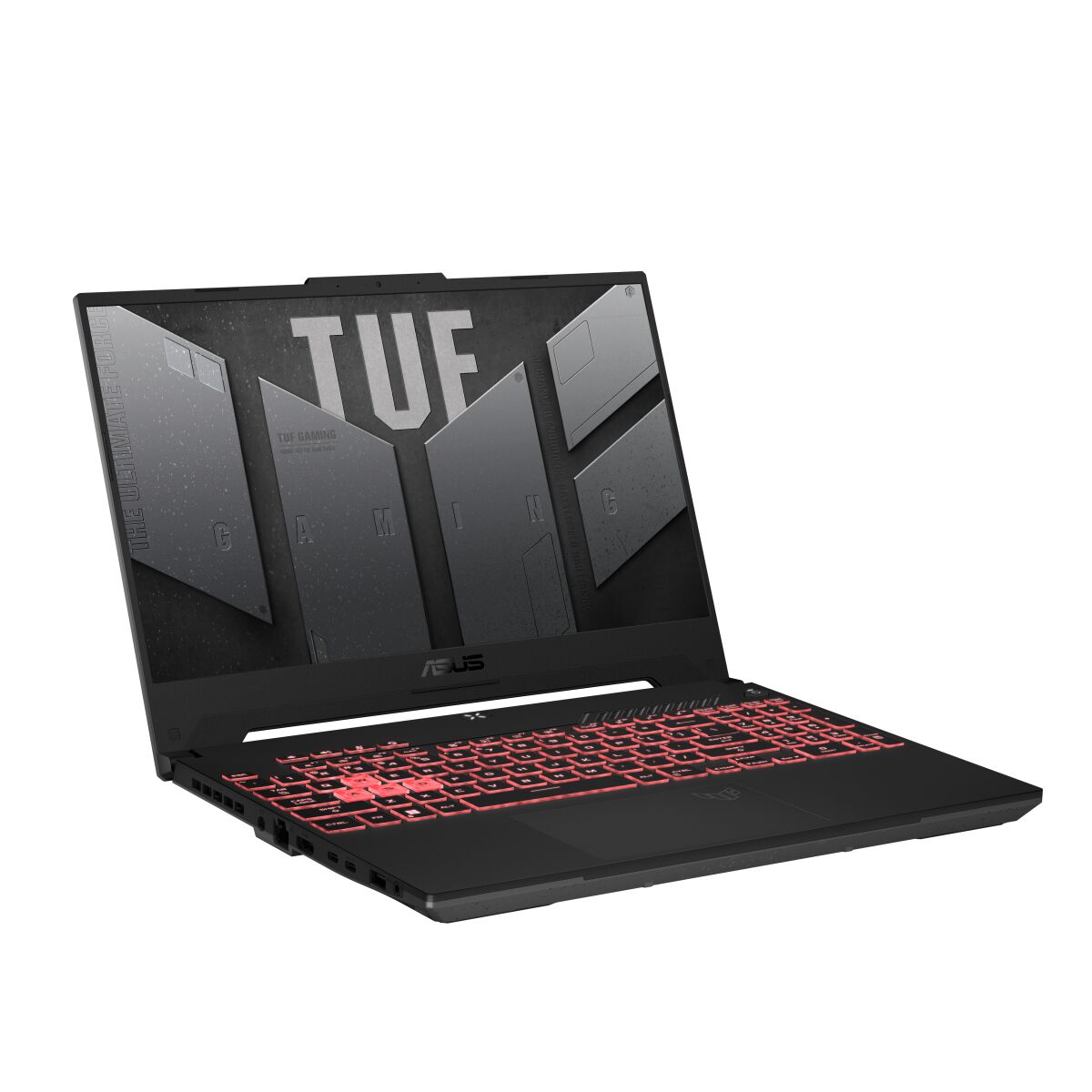


ASUS TUF Gaming A15 FA507RM-HN008W laptop features DDR5-SDRAM memory upgrade specifications with two SO-DIMM slots supporting maximum capacity of 32 GB RAM. Compatible memory modules operate at 4800 MHz frequency. The upgrade slots accommodate SO-DIMM form factor modules, enabling users to expand system memory for enhanced performance and multitasking capabilities on the TUF Gaming series notebook.
Memory Upgrade Specifications
| Specification | Value |
|---|---|
| Memory slots | 2x SO-DIMM |
| Form factor | SO-DIMM |
| Memory type | DDR5-SDRAM |
| Frequency | 4800 MHz |
| Maximum RAM | 32 GB |
| Voltage | 1.1V |
| Number of pins | 262-pin |
| Interface | PC5 |
| PC Speed Rating | PC5-4800 (PC5-38400) |
| Bandwidth | 38.4 GB/s |
| Laptop Release date | 25 March 2022 |
Additional Notes
- The dual-channel architecture requires matched pairs of modules to maximize the available memory bandwidth and prevent synchronous data bottlenecks.
- Utilizing SODIMM modules at 4800 MHz necessitates high-density circuit integration which increases internal heat dissipation requirements compared to previous generation standards.
- The maximum capacity limit indicates a hardware-level restriction on the memory controller or physical address bus within the ASUS TUF Gaming FA507RM-HN008W architecture.
- Upgrading to higher frequencies than the specified base clock will result in down-clocking to the native system speed due to firmware limitations.
- The absence of soldered memory on the motherboard allows for a total replacement of the factory hardware rather than being limited to a single expansion slot.
- Transitioning to DDR5 technology renders older DDR4 modules physically incompatible due to the specific notch alignment and different voltage regulator locations.
- Installation of non-ECC modules is necessary as the platform does not support error-correcting code functions for consumer-grade stability.
- System latency performance scales with the density of the 2 occupied slots because filling both channels reduces the overhead on the integrated memory controller.