ASUS TUF Gaming FA507RM-HF078W RAM upgrade specifications

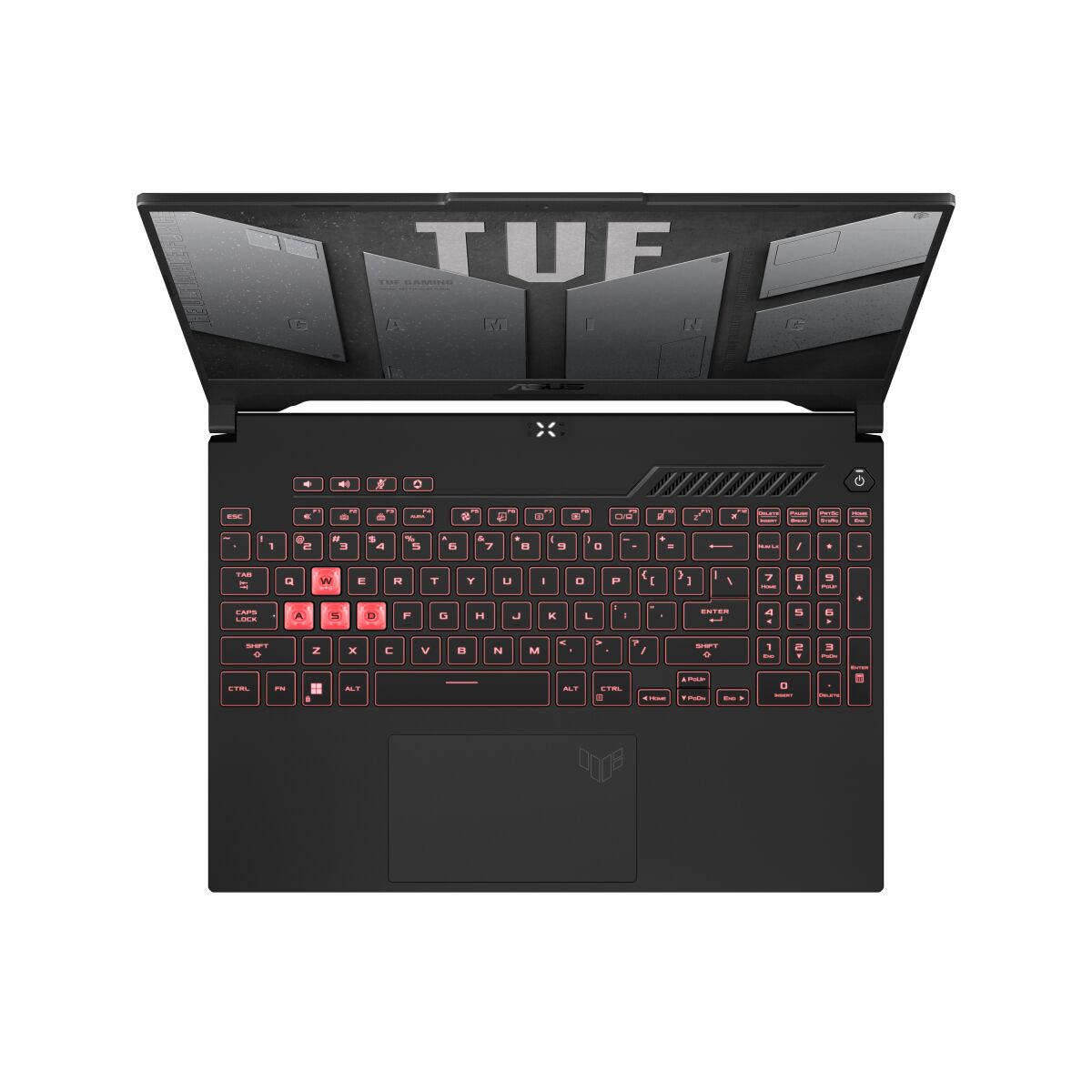



ASUS TUF Gaming A15 FA507RM-HF078W laptop features DDR5-SDRAM memory upgrade capability with 2x SO-DIMM slots supporting maximum RAM capacity of 32 GB. Compatible memory modules operate at 4800 MHz frequency and utilize SO-DIMM form factor. RAM upgrade specifications enable enhanced multitasking performance and system responsiveness for gaming and professional applications. Memory expansion supports configuration of dual-channel memory architecture, optimizing data transfer rates and computational efficiency.
Memory Upgrade Specifications
| Specification | Value |
|---|---|
| Memory slots | 2x SO-DIMM |
| Form factor | SO-DIMM |
| Memory type | DDR5-SDRAM |
| Frequency | 4800 MHz |
| Maximum RAM | 32 GB |
| Voltage | 1.1V |
| Number of pins | 262-pin |
| Interface | PC5 |
| PC Speed Rating | PC5-4800 (PC5-38400) |
| Bandwidth | 38.4 GB/s |
| Laptop Release date | 19 January 2022 |
Additional Notes
- The ASUS TUF Gaming FA507RM-HF078W dual-slot configuration enables symmetric dual-channel operation when populated with matched capacity modules, which doubles effective memory bandwidth compared to single-channel configurations.
- DDR5-SDRAM operates at 1.1V nominal voltage versus DDR4's 1.2V, reducing thermal output but requiring controller-specific modules incompatible with DDR4 systems.
- The 32 GB ceiling limits each SO-DIMM slot to 16 GB maximum density, restricting expansion beyond this threshold regardless of module availability.
- Native 4800 MHz operation provides 38.4 GB/s theoretical bandwidth per channel in dual-channel mode, though real-world performance depends on CPU memory controller latency and command rate timings.
- SO-DIMM modules with speeds exceeding 4800 MHz will downclock to this frequency, as the installed memory controller does not support XMP/EXPO overclocking profiles common in desktop platforms.
- DDR5's on-die ECC operates independently of system-level ECC, providing error correction at the DRAM level without BIOS configuration or OS visibility.
- Installation requires matching module ranks (single-rank with single-rank, dual-rank with dual-rank) to prevent automatic downclocking or compatibility failures during POST.
- The bottom-access panel design typical of this chassis generation allows RAM replacement without voiding seals on the main housing, though specific disassembly procedures vary by regional warranty terms.
- Mixing DDR5 modules from different manufacturers may function but introduces timing inconsistencies that force the memory controller to apply conservative latency profiles, reducing effective throughput.
- Systems shipped with soldered memory would prevent this upgrade path entirely, though the documented SO-DIMM slots confirm user-accessible expansion capability in this specific configuration.