ASUS TUF Gaming FA507RR-HN003W RAM upgrade specifications
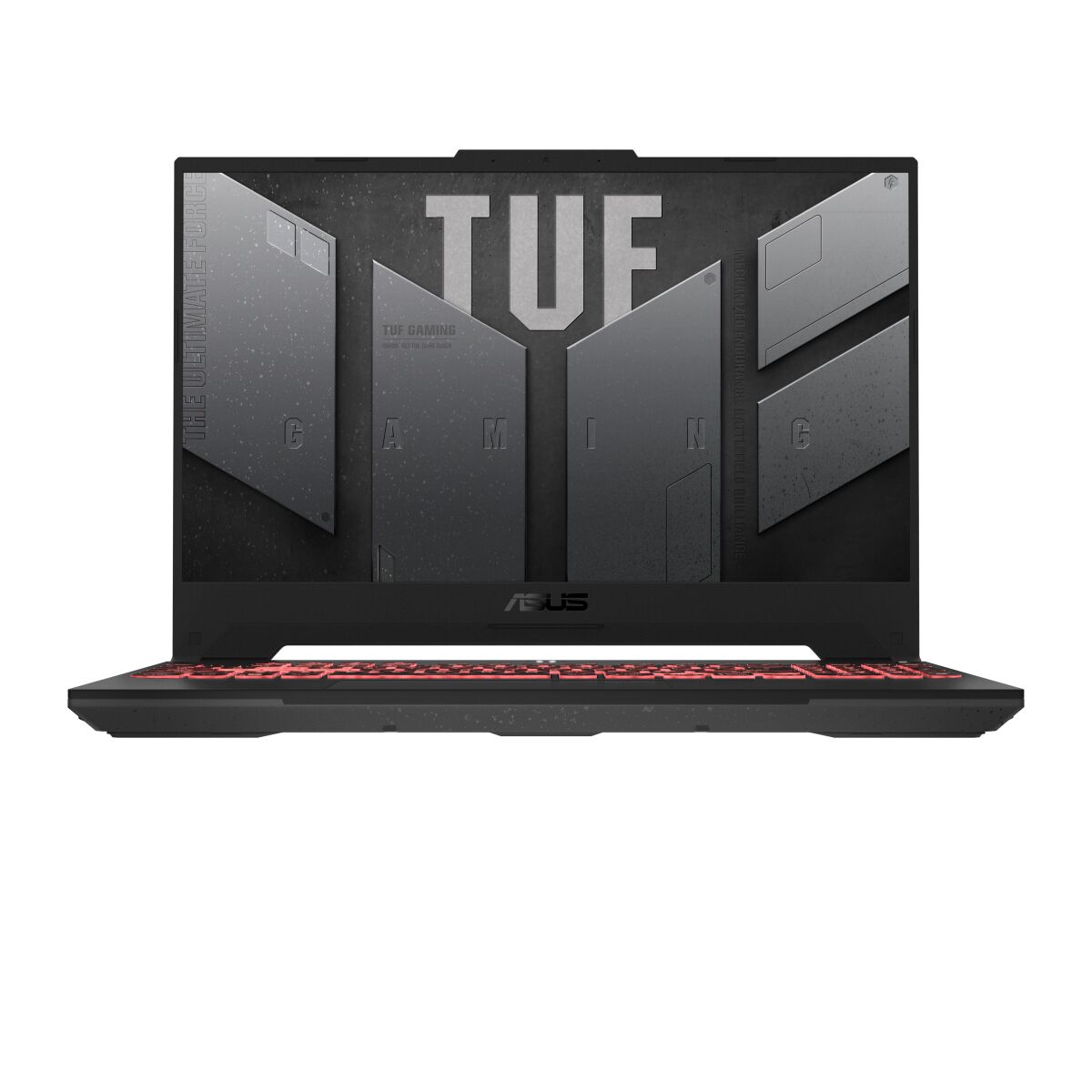
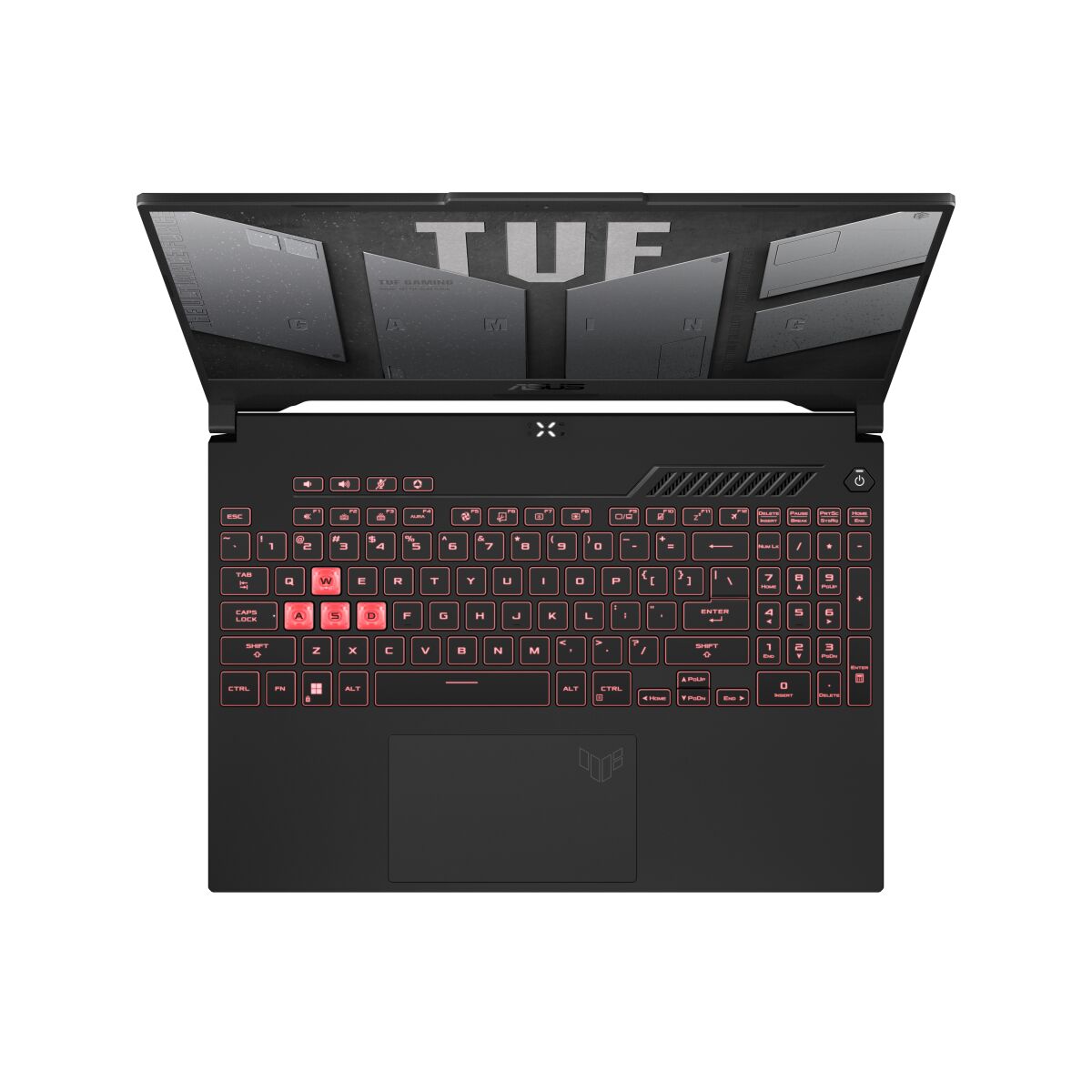
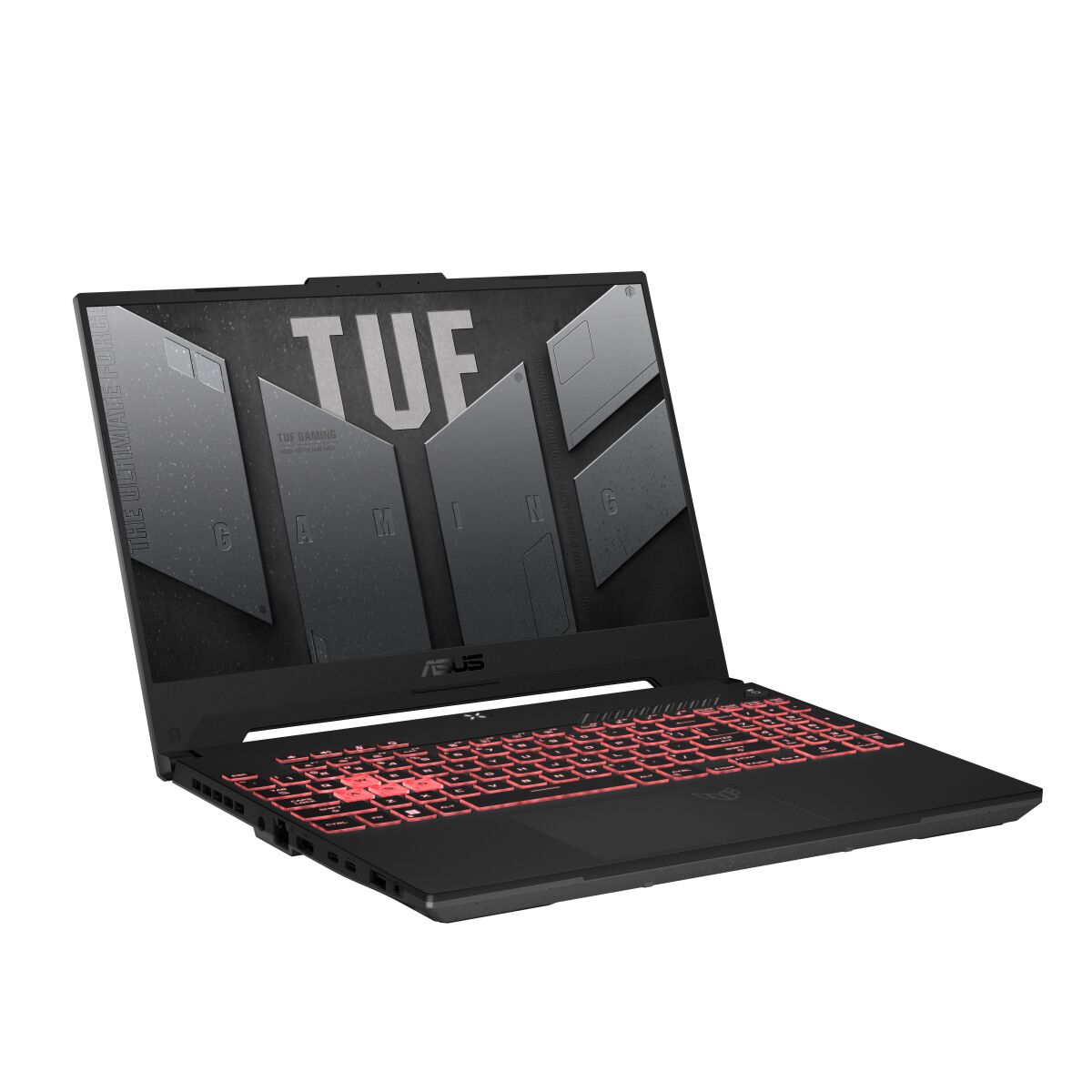
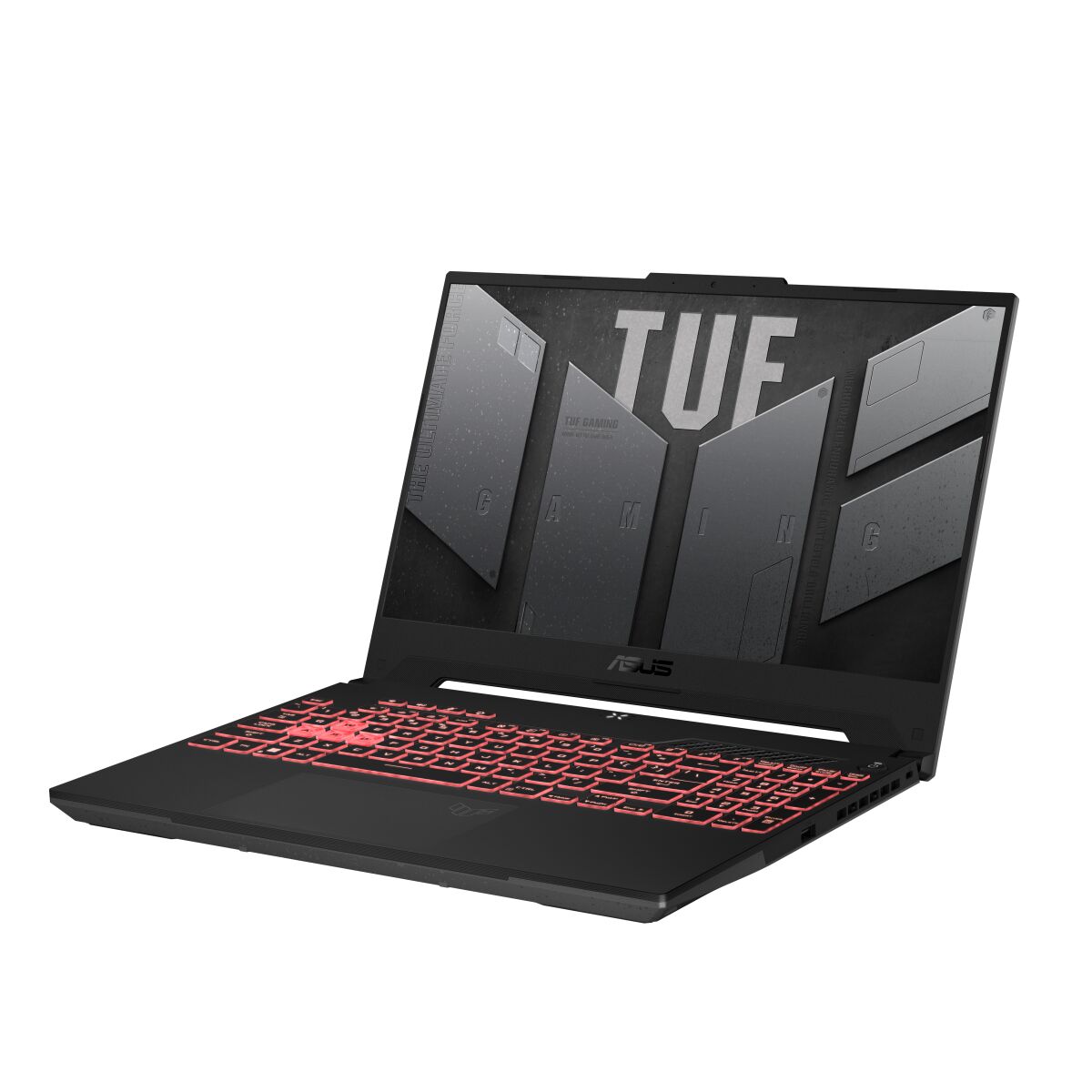
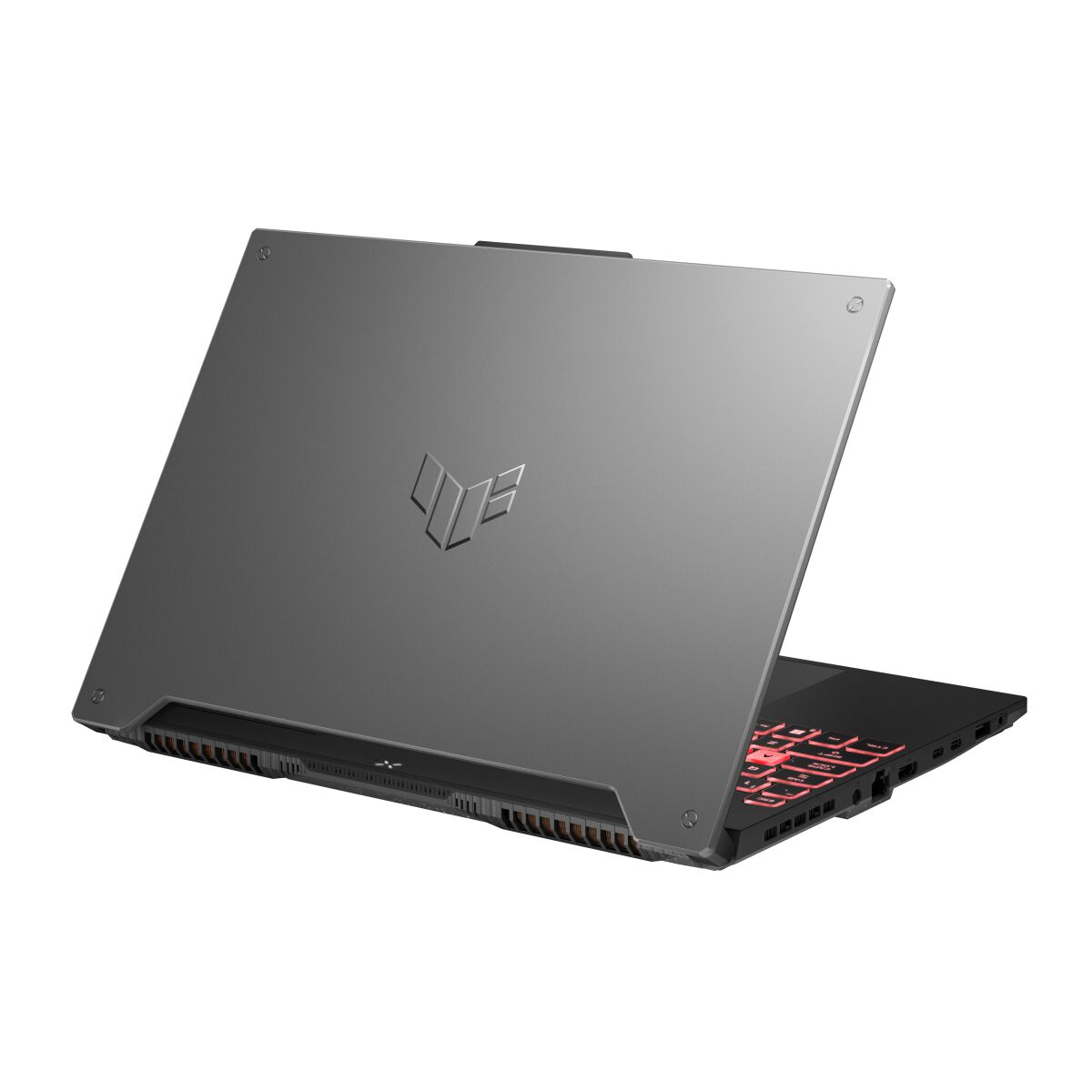
The ASUS TUF Gaming A15 FA507RR-HN003W laptop features DDR5-SDRAM memory upgrade specifications with two SO-DIMM slots supporting maximum RAM capacity of 32 GB. The system is compatible with DDR5 memory modules operating at 4800 MHz frequency. Upgrade options allow installation of dual SO-DIMM DDR5 modules to achieve maximum memory configuration. Specifications indicate support for high-speed DDR5 technology across both memory slots.
Memory Upgrade Specifications
| Specification | Value |
|---|---|
| Memory slots | 2x SO-DIMM |
| Form factor | SO-DIMM |
| Memory type | DDR5-SDRAM |
| Frequency | 4800 MHz |
| Maximum RAM | 32 GB |
| Voltage | 1.1V |
| Number of pins | 262-pin |
| Interface | PC5 |
| PC Speed Rating | PC5-4800 (PC5-38400) |
| Bandwidth | 38.4 GB/s |
| Laptop Release date | 19 January 2022 |
Additional Notes
- The ASUS TUF Gaming FA507RR-HN003W supports only 2 memory slots, which means upgrades cannot exceed 16 GB per module if the 32 GB ceiling is to be reached. This architecture eliminates the option to add a third or fourth module for future expansion beyond the maximum threshold.
- DDR5-SDRAM operating at 4800 MHz creates a dependency on modules rated for this frequency or compatible JEDEC standards below it. Substituting slower DDR5 variants will force the system to downclock the entire memory subsystem, reducing bandwidth availability to the AMD processor and integrated graphics.
- SO-DIMM form factor confirms this is a notebook chassis with restricted internal dimensions. Replacement modules must physically fit within the SO-DIMM socket configuration; desktop-sized UDIMM sticks will not seat in the connector, and attempting forced installation risks permanent damage to the mainboard.
- Upgrading from the factory configuration to the full 32 GB capacity requires both slots to be populated with 16 GB SO-DIMM modules. If only 1 slot is occupied, the second module must be added; if both are occupied with smaller capacities, both modules must be replaced simultaneously to avoid performance asymmetry from single-channel operation in partially populated configurations.
- The jump from typical base configurations (8 GB or 16 GB) to 32 GB requires sourcing DDR5 SO-DIMM modules at 4800 MHz or higher, which remain at a price premium compared to older DDR4 notebook memory. This cost factor may influence the decision to upgrade incrementally versus replacing both modules at once.
- Mismatched module speeds or timings between the 2 slots can trigger POST failures or force automatic downclocking to the lowest common denominator frequency, negating the performance advantage of high-speed memory and potentially requiring BIOS configuration adjustments.