ASUS TUF Gaming FA507RR-HQ007W RAM upgrade specifications


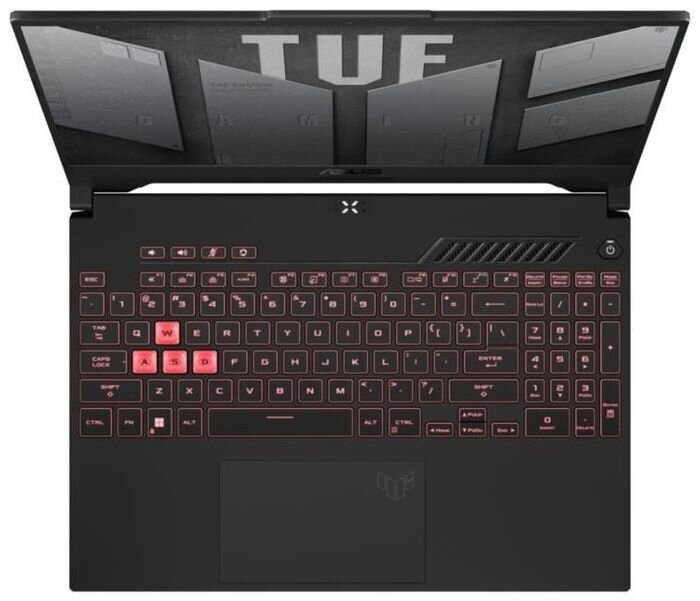
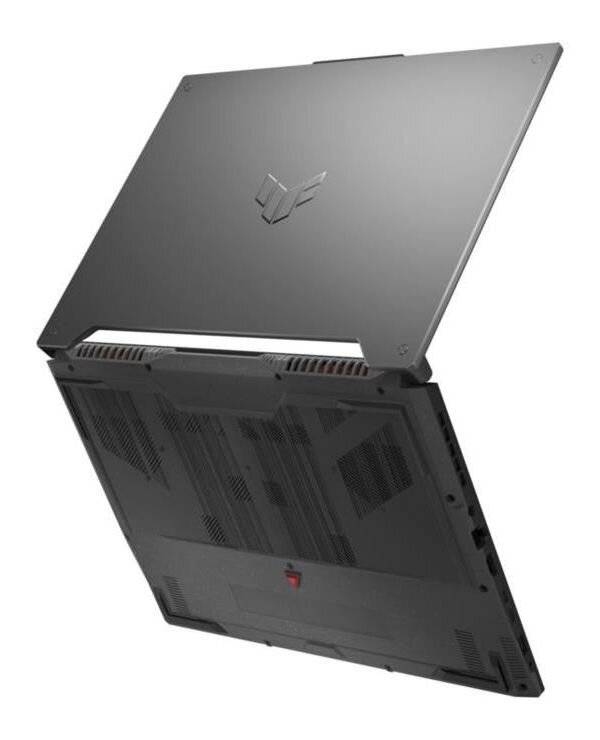
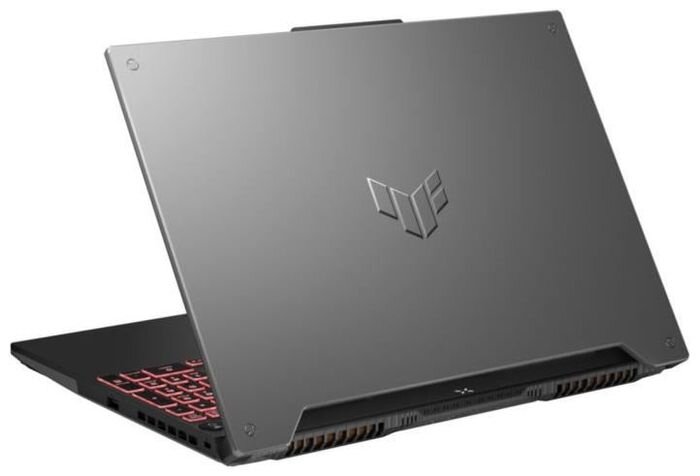
ASUS TUF Gaming A15 FA507RR-HQ007W RAM upgrade specifications include two SO-DIMM memory slots supporting DDR5-SDRAM modules. Maximum compatible memory capacity reaches 32 GB total. Upgrade specifications feature DDR5-SDRAM operating at 4800 MHz frequency. Memory slots accommodate standard SO-DIMM form factor modules. Specifications define upgrade compatibility and maximum RAM expansion capabilities for the ASUS TUF Gaming A15 FA507RR-HQ007W gaming laptop model.
Memory Upgrade Specifications
| Specification | Value |
|---|---|
| Memory slots | 2x SO-DIMM |
| Form factor | SO-DIMM |
| Memory type | DDR5-SDRAM |
| Frequency | 4800 MHz |
| Maximum RAM | 32 GB |
| Voltage | 1.1V |
| Number of pins | 262-pin |
| Interface | PC5 |
| PC Speed Rating | PC5-4800 (PC5-38400) |
| Bandwidth | 38.4 GB/s |
| Laptop Release date | 13 March 2022 |
Additional Notes
- The ASUS TUF Gaming FA507RR-HQ007W contains 2 SO-DIMM slots with a 32 GB aggregate ceiling, meaning maximum single-module capacity is 16 GB per slot. Substituting both modules simultaneously avoids mismatched latency profiles that occur when pairing modules of different capacities or timings.
- DDR5-4800 MHz operation on this model locks the memory controller to Ryzen 7000-series specifications. Modules rated for higher frequencies (5600+ MHz) will downclock to 4800 MHz, eliminating the bandwidth advantage of faster SKUs and representing wasted hardware investment.
- SO-DIMM physical constraints eliminate compatibility with standard UDIMM modules used in desktop workstations. Upgrade sources are limited to mobile-specific memory retailers, typically pricing 20-40% higher than desktop DDR5 equivalents of identical capacity.
- The 32 GB maximum does not support future scaling beyond this threshold. Content creators working with 4K video or large dataset processing will encounter a hard performance ceiling within 3-5 years as file sizes and RAM requirements increase across professional software.
- Memory timing specifications (likely 46-46-46 or tighter CAS latency) are validated specifically for this platform's BIOS implementation. Third-party modules claiming DDR5-4800 compatibility require manual timing entry if the system fails POST, requiring BIOS access and configuration knowledge outside manufacturer support scope.