ASUS TUF Gaming FA507UI-LP126 RAM upgrade specifications




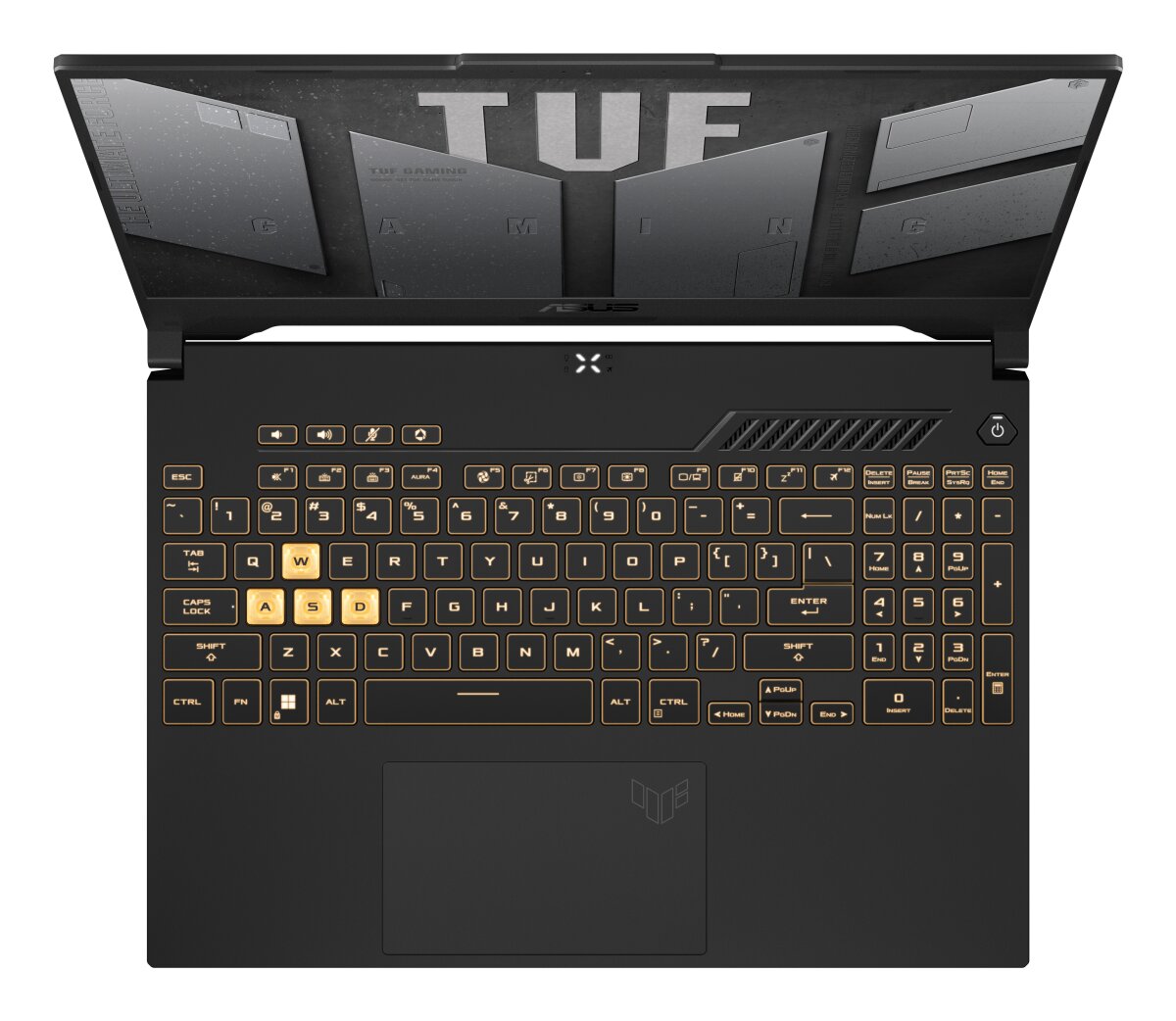
The ASUS TUF Gaming A15 FA507UI-LP126 features DDR5-SDRAM memory upgrade specifications with two SO-DIMM slots supporting maximum capacity of 32 GB. Compatible memory operates at 5600 MHz frequency. The laptop accepts SO-DIMM form factor modules for RAM upgrades. Current specifications indicate supported memory architecture and upgrade slots available for expanding system memory capacity on the FA507UI-LP126 model.
Memory Upgrade Specifications
| Specification | Value |
|---|---|
| Memory slots | 2x SO-DIMM |
| Form factor | SO-DIMM |
| Memory type | DDR5-SDRAM |
| Frequency | 5600 MHz |
| Maximum RAM | 32 GB |
| Voltage | 1.1V |
| Number of pins | 262-pin |
| Interface | PC5 |
| PC Speed Rating | PC5-5600 (PC5-44800) |
| Bandwidth | 44.8 GB/s |
Additional Notes
- The DDR5-5600 specification represents JEDEC standard timing, meaning compatible modules will maintain consistent latency profiles without requiring manual BIOS adjustments.
- The 32 GB maximum capacity reflects chipset memory controller limitations rather than physical slot restrictions, preventing recognition of higher-density modules even when physically installed.
- Dual SO-DIMM configuration on this ASUS TUF Gaming FA507UI-LP126 enables dual-channel memory architecture, effectively doubling theoretical bandwidth to 89.6 GB/s compared to single-channel operation.
- Mixing DDR5 modules with different speeds will force all installed memory to operate at the lowest common frequency, potentially reducing performance if mismatched with existing components.
- SO-DIMM form factor installation requires ensuring the notch alignment matches DDR5 keying, as DDR4 SO-DIMMs share similar physical dimensions but incompatible electrical interfaces.
- Consumer-grade DDR5-5600 modules typically operate at 1.1V, reducing thermal output compared to previous generation memory while maintaining compatibility with laptop thermal design constraints.
- Populating both memory slots distributes thermal load across separate modules, potentially improving sustained performance under extended workloads compared to single-module configurations.
- Non-ECC unbuffered modules represent the standard specification for this platform, as registered or ECC memory types will either fail POST or operate with error correction disabled.
- Memory upgrades performed through accessible bottom panel compartments typically preserve manufacturer warranty coverage, unlike modifications requiring full disassembly.
- DDR5 on-die ECC functions transparently at the module level without system-level reporting, providing background error correction unavailable in DDR4 architectures.